

Vaginal Hysterectomy
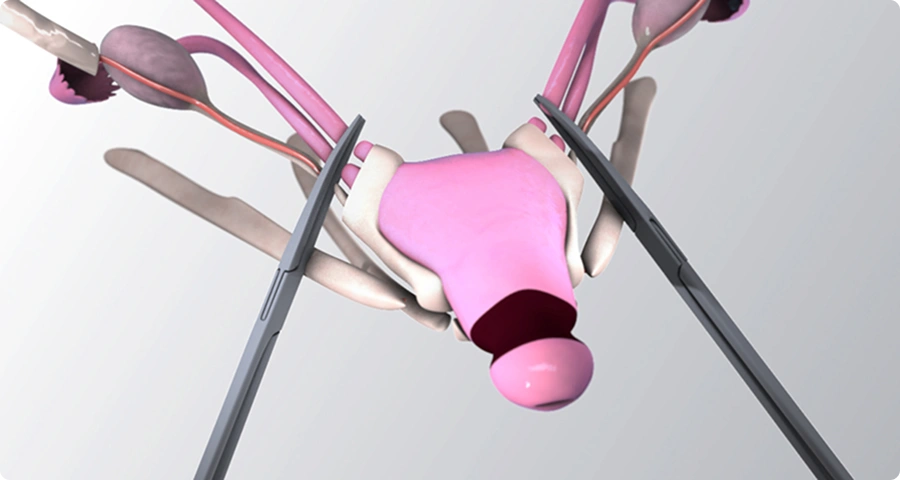
- Uterine fibroids
- Uterine prolapse
- Chronic abnormal uterine bleeding
- Certain benign gynecological disorders
Vaginal Hysterectomy
Vaginal hysterectomy is a minimally invasive surgical procedure in which the uterus is removed through the vaginal canal, eliminating the need for external abdominal incisions. This approach is commonly recommended for women with conditions such as:
It is particularly suitable for patients whose uterus size allows safe vaginal removal, ensuring a less invasive experience compared to abdominal hysterectomy.
- No visible scars, as the procedure is performed entirely internally
- Reduced postoperative pain and faster recovery
- Lower risk of wound-related complications
- Shorter hospital stays, often discharged within 24 hours
- Early return to normal daily activities, typically within two to three weeks
Advantages of Vaginal Hysterectomy
The vaginal approach offers several key benefits:
- Detaching the uterus from surrounding structures, including the cervix, supporting ligaments, and blood vessels
- Carefully removing the uterus through the vaginal canal
- Performing additional procedures, such as removal of the ovaries or fallopian tubes, if medically necessary
Procedure Details
The surgery is performed under either spinal or general anesthesia, depending on patient health and surgeon recommendation. The procedure involves:
This technique allows the surgeon to operate with precision while minimizing trauma to surrounding tissues and preserving pelvic anatomy.
- Preoperative Assessment: Detailed evaluation of medical history, imaging, and lab tests for safe surgical planning
- Surgical Expertise: Performed by experienced gynecologic surgeons to ensure safety and effectiveness
- Postoperative Support: Pain management, early mobilization, and guidance for a smooth recovery
- Follow-Up Monitoring: Regular check-ups to assess healing and prevent complications
Our Approach to Patient Care
At our center, we emphasize comprehensive, patient-centered care:
Safety and Recovery
Vaginal hysterectomy is a safe and effective option, with low complication rates. Risks such as bleeding, infection, or injury to surrounding organs are minimal when proper surgical protocols and patient selection criteria are followed. Most patients experience a smooth recovery and can resume daily activities within weeks.
Vaginal hysterectomy provides a minimally invasive, effective, and cosmetically favorable solution for women with various gynecological concerns. By combining surgical precision, patient-centered care, and fast recovery, our approach ensures long-term symptom relief, improved quality of life, and minimal disruption to daily routines.

Heavy menstrual bleeding
-

Severe debilitating dysmenorrhea
-
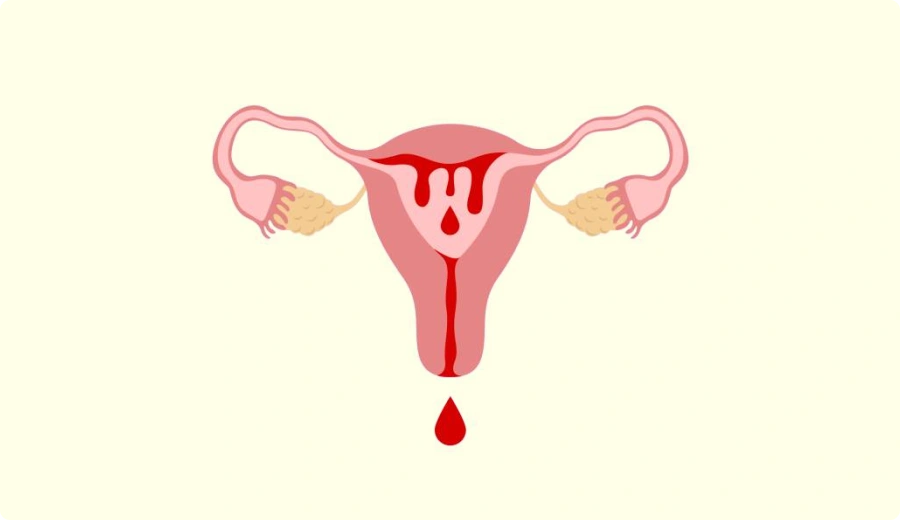
Intermenstrual bleeding
-
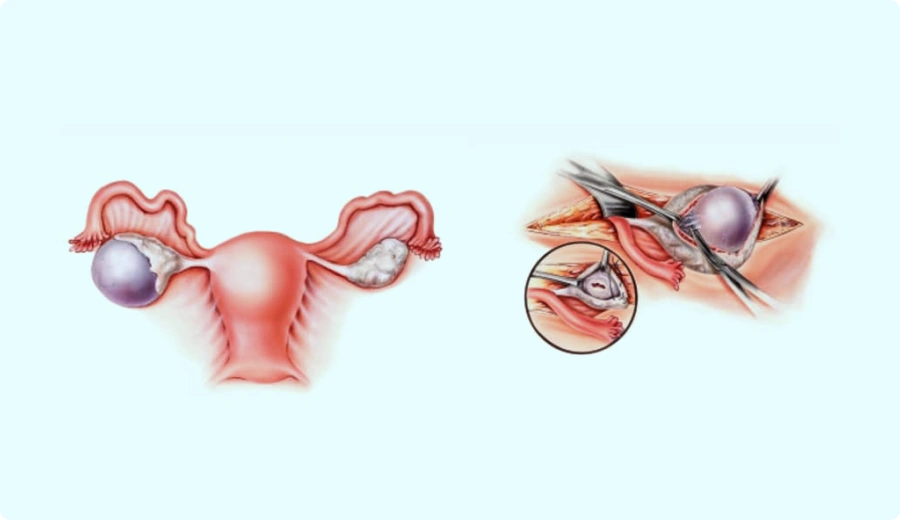
Ovarian cysts for laparoscopy
-
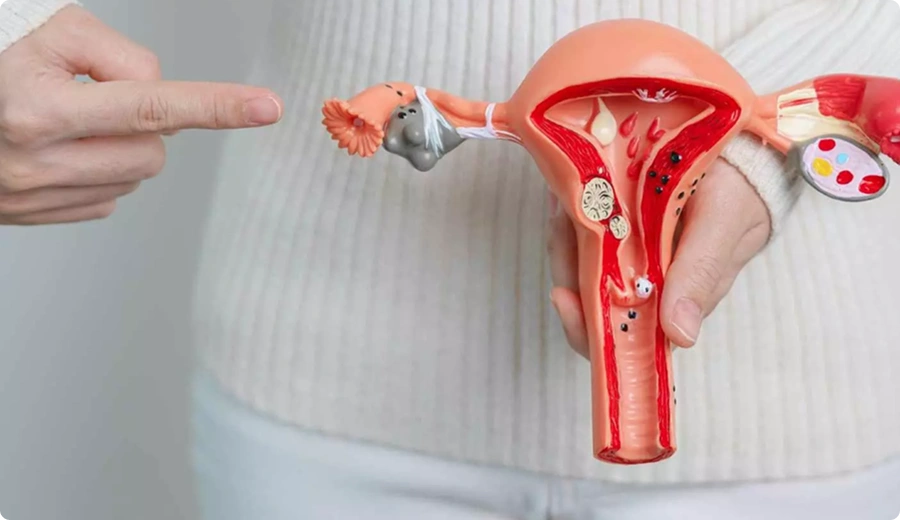
Fibroids or adenomyoma
-
Diagnostic hysterolaparoscopy for infertility
-
Congenital abnormalities
-
Laparoscopic ovarian drilling
-
Hysteroscopic polypectomy
-
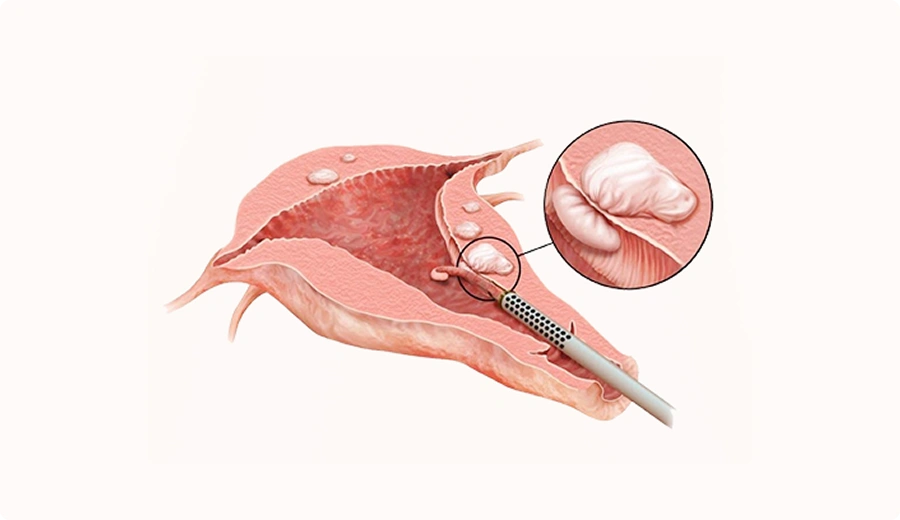
Hysteroscopic resection of myoma
-
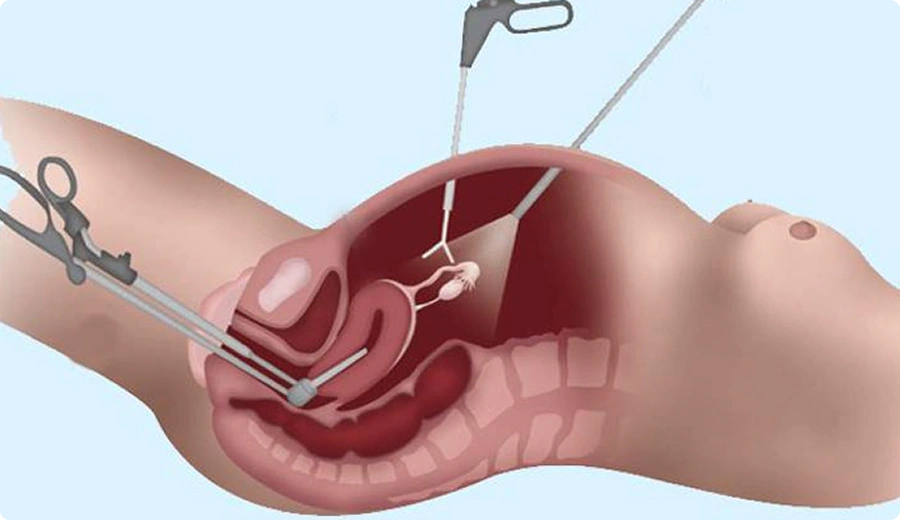
Total laparoscopic hysterectomy
-
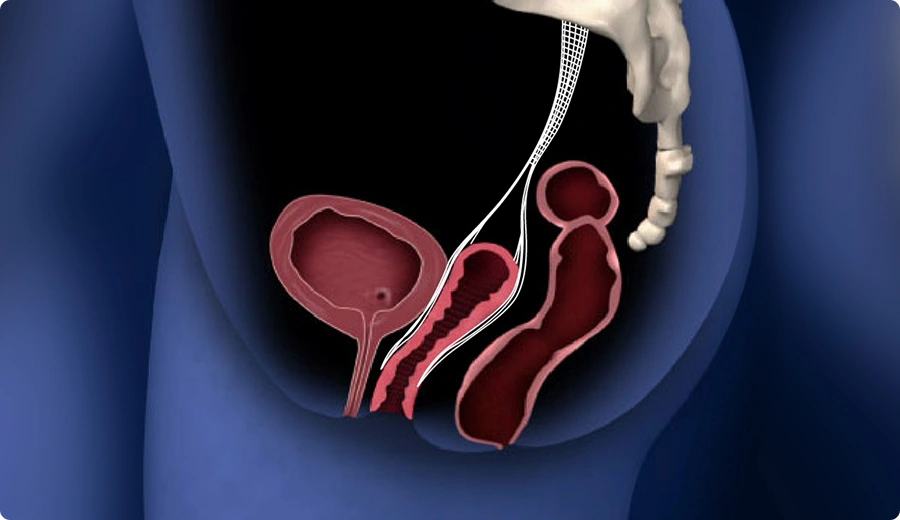
Laparoscopic sacrocolpopexy for prolapse
-
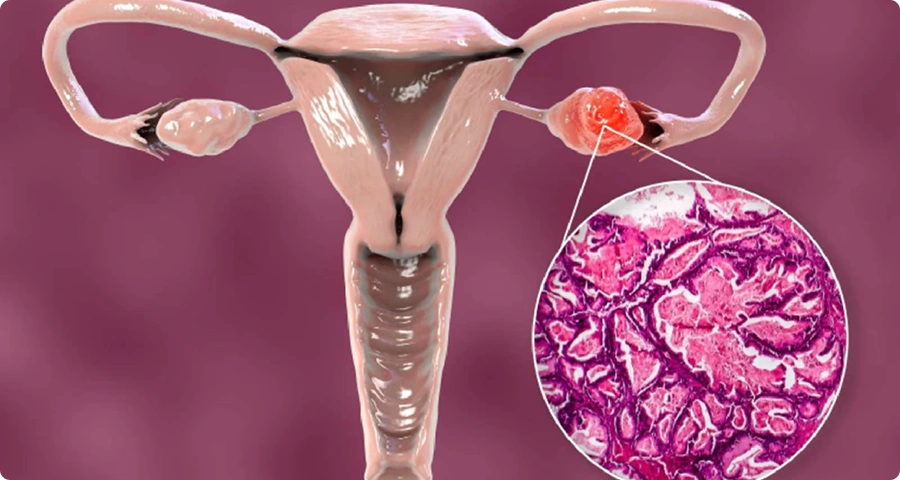
Laparotomy for ovarian ca-staging
-
Vaginal hysterectomy
-

Male factor infertility
-

Unexplained infertility
-

Female infertility