
Neuromuscular & Demyelinating Disorders
Neuromuscular & Demyelinating Disorders
Targeted Conditions
Care focuses on complex disorders such as muscular dystrophy, myasthenia gravis, multiple sclerosis, and Guillain-Barré syndrome.
Accurate Diagnosis
Advanced nerve conduction studies, EMG testing, imaging, and lab investigations identify the type and severity of nerve or muscle damage.
Personalized Treatment
Tailored plans may include medications, physiotherapy, and lifestyle modifications to manage symptoms effectively.
Symptom Management
Emphasis on maintaining muscle strength, improving coordination, and reducing fatigue or weakness.
Continuous Monitoring
Regular follow-ups ensure therapy is adjusted to match disease progression and patient needs.
Enhanced Daily Function
Care aims to preserve independence, support mobility, and improve comfort in everyday activities.
Myasthenia Gravis
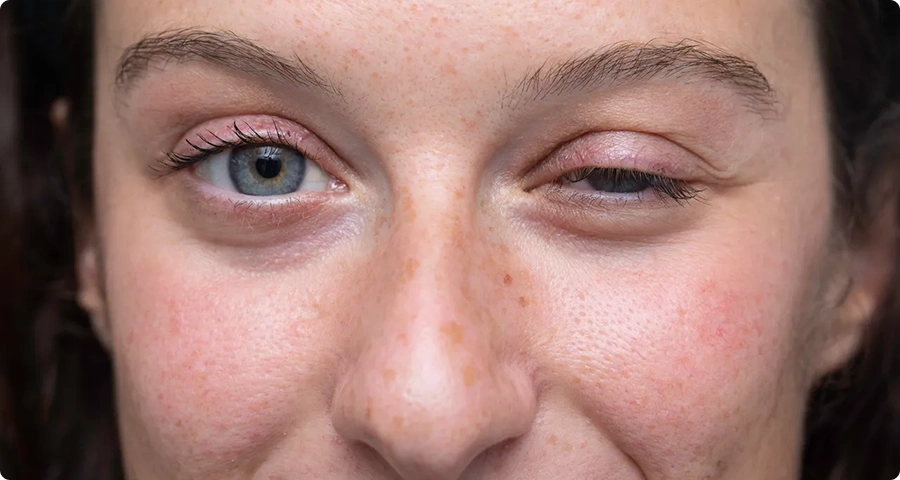
Myasthenia Gravis is a chronic autoimmune neuromuscular disorder that disrupts communication between nerves and muscles, causing fluctuating weakness. Symptoms often worsen with activity and improve with rest, making daily tasks difficult and unpredictable. With timely diagnosis and a combination of treatments, patients can manage symptoms and maintain independence.
Key Symptoms
- Eye and facial weakness: Drooping eyelids (ptosis) and double vision (diplopia) are among the first signs.
- Difficulty in speech and swallowing: Weakness of facial and throat muscles can affect chewing, speaking, and swallowing.
- Respiratory issues: Severe cases may cause breathing difficulties, requiring urgent care.
- Postural instability: Poor balance, leading to frequent falls.
- Fatigue with activity: Weakness worsens with repetitive movement, limiting mobility and endurance.
Diagnosis
Accurate diagnosis is essential for effective treatment:
- Blood tests: Detect antibodies responsible for impaired neuromuscular transmission.
- Electrodiagnostic tests: Repetitive nerve stimulation and EMG evaluate muscle response.
- Imaging scans: CT or MRI often assess thymus gland abnormalities linked to the condition.
Treatment Approaches
Management of myasthenia gravis involves both symptom relief and immune system regulation:
- Medication: Anticholinesterase drugs improve nerve-muscle communication, while immunosuppressants reduce antibody activity.
- Advanced therapies: Intravenous immunoglobulin (IVIG) and plasma exchange offer rapid symptom improvement during flare-ups.
- Surgical option: Thymectomy (removal of the thymus gland) may provide long-term benefits in selected cases.
Supportive Care
- Lifestyle adjustments: Energy conservation and structured routines help manage fatigue.
- Rehabilitation therapies: Physical and occupational therapy strengthen mobility and daily function.
- Multidisciplinary care: Regular follow-ups with neurologists and allied specialists ensure tailored treatment plans.
While Myasthenia Gravis can significantly affect quality of life, early detection, comprehensive treatment, and supportive care enable most patients to achieve symptom control and maintain independence. With ongoing management, individuals can continue to lead active and fulfilling lives despite the challenges of this autoimmune condition.

Narcolepsy
Narcolepsy is a lifelong neurological condition that disrupts the brain’s control over sleep-wake cycles. It causes overwhelming daytime sleepiness and sudden episodes of sleep that may strike at any time, interfering with work, relationships, and safety. While the disorder cannot be cured, timely diagnosis and comprehensive management help patients regain stability in daily life.
Key Symptoms of Narcolepsy
- Excessive Daytime Sleepiness (EDS): Persistent fatigue leading to sudden “sleep attacks.”
- Cataplexy: Sudden loss of muscle control triggered by strong emotions like laughter or anger.
- Sleep Paralysis: Temporary inability to move or speak while falling asleep or waking up.
- Hallucinations: Vivid, dream-like experiences during sleep onset or awakening.
- Disrupted Nighttime Sleep: Fragmented rest due to abnormal REM cycles.
Diagnostic Approaches
Accurate diagnosis is crucial since narcolepsy overlaps with other sleep disorders. Specialists may recommend:
- Overnight Polysomnography (PSG): Records brain activity, eye movements, and oxygen levels.
- Multiple Sleep Latency Test (MSLT): Measures daytime sleepiness and abnormal REM onset.
- Medical History & Evaluation: Reviews lifestyle, symptoms, and family history to rule out other conditions.
Treatment & Management
While there is no permanent cure, symptoms can be effectively managed through:
- Medications: Stimulants or wakefulness-promoting agents for daytime alertness.
- Antidepressants or Sodium Oxybate: To control cataplexy and REM-related symptoms.
- Scheduled Naps: Short, planned naps help reduce sudden sleep episodes.
- Lifestyle Adjustments: Regular sleep schedules, stress management, and avoiding alcohol or heavy meals before bedtime.
Living with Narcolepsy
- Safety Awareness: Patients are advised to avoid driving or operating machinery if sleep attacks are frequent.
- Education & Support: Counseling helps families and patients cope with emotional, social, and professional challenges.
- Holistic Care: Combining medical treatment with supportive therapies improves quality of life.
With proper care, most people with narcolepsy manage their symptoms successfully, minimizing disruption and leading fulfilling, productive lives.
Spinal Muscular Atrophy (SMA)
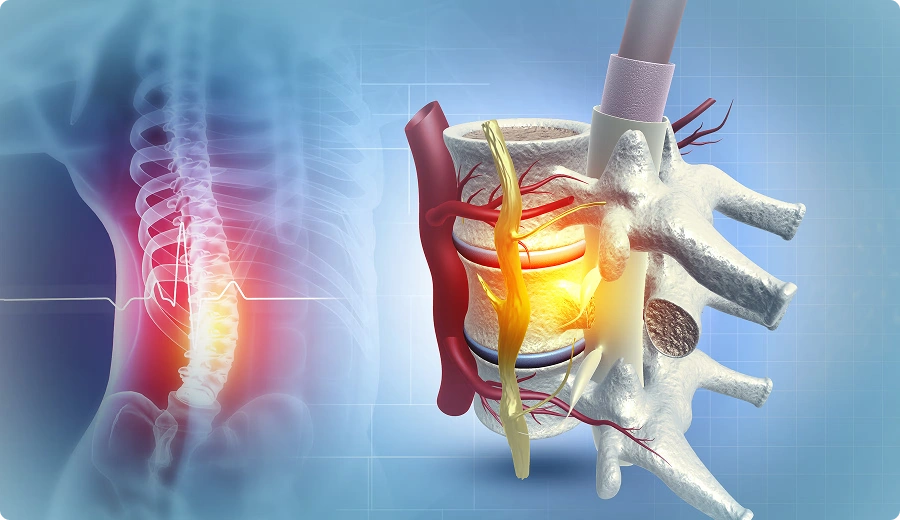
Spinal Muscular Atrophy (SMA) is a rare genetic neuromuscular disorder that weakens voluntary muscles due to the loss of motor neurons in the spinal cord and brainstem. Its severity varies from life-threatening infantile forms to milder adult-onset types. Early symptoms may include poor muscle tone, weak head control, swallowing difficulties, and delayed developmental milestones. Advances in genetic testing and treatment have significantly improved diagnosis, management, and long-term outcomes for individuals with SMA.
Key Symptoms
- Poor head and neck control in infants
- Muscle weakness affecting sitting, standing, or walking
- Difficulty swallowing or feeding
- Breathing issues due to weak respiratory muscles
- Fatigue and reduced endurance during activities
Diagnostic Approach
- Genetic Testing: Detects SMN1 gene mutations/deletions, confirming diagnosis.
- Clinical Evaluation: Neurological exams, family history, and symptom review.
- Electromyography (EMG): Assesses muscle response and motor neuron activity.
- Prenatal Screening: Identifies SMA risk in families with known genetic carriers.
Treatment Options
Disease-Modifying Therapies:
- Nusinersen (Spinraza)- boosts SMN protein levels.
- Onasemnogene abeparvovec (Zolgensma)- gene therapy for infants and young children.
- Risdiplam (Evrysdi)- oral medication enhancing protein production.
Supportive Care: Respiratory support, nutritional assistance, and therapy to maintain mobility.
Multidisciplinary Care
- Respiratory Management: Non-invasive ventilation, airway clearance, and monitoring for infections.
- Nutritional Support: Feeding strategies to prevent aspiration and ensure growth.
- Physical & Occupational Therapy: Exercises to maintain flexibility, prevent contractures, and support independence.
- Family Counseling & Education: Guidance to help families manage care routines and treatment decisions.
Outlook and Quality of Life
- Early intervention leads to better motor function and slower disease progression.
- Modern therapies have improved survival rates and functional independence.
- With proper care, many individuals with SMA can lead fulfilling lives despite challenges.
Multiple Sclerosis
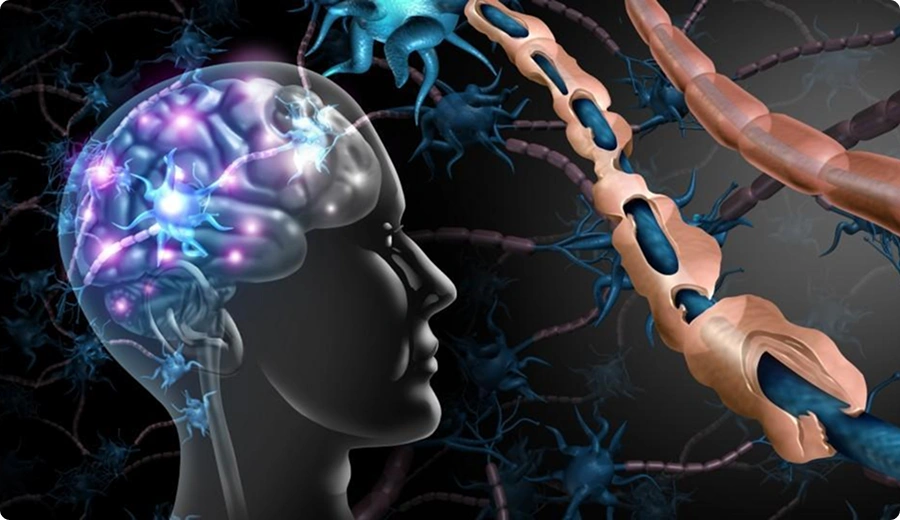
Multiple Sclerosis (MS) is a chronic autoimmune disorder where the body’s immune system mistakenly attacks the protective myelin sheath around nerve fibers in the brain and spinal cord. This damage disrupts nerve communication, leading to a wide spectrum of neurological symptoms. The severity and progression vary, some patients have mild episodes, while others experience long-term disability. Early diagnosis and ongoing care are essential for managing MS effectively.
Common Symptoms of MS
- Persistent fatigue that impacts daily routines
- Numbness or tingling in limbs or face
- Muscle weakness and spasticity
- Vision problems such as blurred or double vision
- Dizziness and balance difficulties
- Cognitive issues including memory and concentration challenges
Diagnosis Methods
- Neurological Examination: Assessing reflexes, coordination, and sensory response
- MRI Scans: Detecting plaques or lesions in the brain and spinal cord
- Lumbar Puncture: Testing cerebrospinal fluid for inflammatory markers
- Evoked Potential Tests: Measuring nerve signal transmission speed
Treatment Approaches
- Disease-Modifying Therapies (DMTs): Slowing progression and reducing relapses
- Corticosteroids: Managing acute flare-ups by reducing inflammation
- Symptom Management: Addressing spasticity, bladder dysfunction, and pain
- Rehabilitation Therapies: Physical, occupational, and speech therapy to maintain independence
- Lifestyle Adjustments: Regular exercise, balanced diet, and stress management techniques
Supportive Care & Long-Term Outlook
- Continuous monitoring and personalized treatment plans
- Family and patient education to cope with physical and emotional challenges
- Counseling and support groups for improved mental health and resilience
- Focus on maintaining quality of life, independence, and positivity despite challenges
Supportive Care & Long-Term Outlook
- Continuous monitoring and personalized treatment plans
- Family and patient education to cope with physical and emotional challenges
- Counseling and support groups for improved mental health and resilience
- Focus on maintaining quality of life, independence, and positivity despite challenges
Living with MS
With comprehensive medical care, ongoing rehabilitation, and lifestyle adjustments, many people with MS continue to live fulfilling and active lives. Supportive care for both patients and families plays a crucial role in managing challenges, encouraging resilience, and fostering a positive outlook for long-term health.
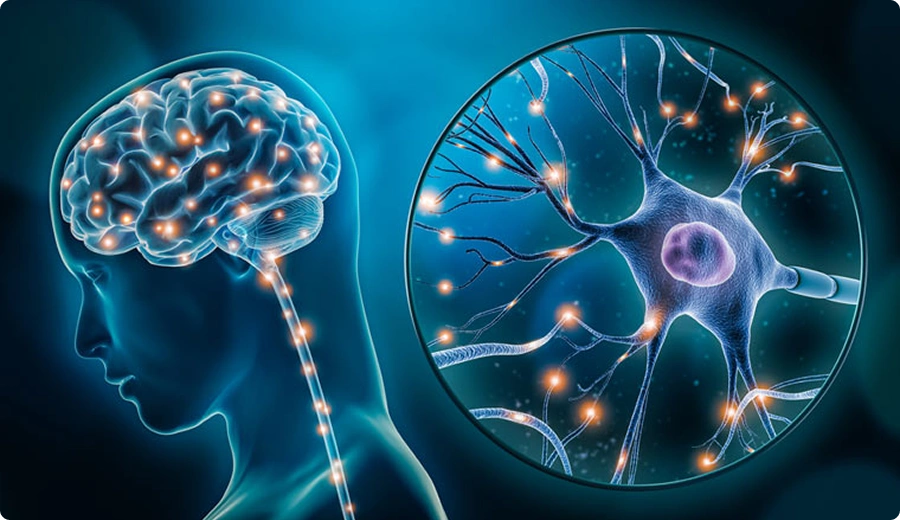
Acute and Chronic Demyelinating Disorders
Demyelinating disorders are complex neurological conditions marked by damage to the myelin sheath, the protective covering around nerve fibers. This disruption interferes with the smooth transmission of electrical signals between the brain, spinal cord, and peripheral nerves, resulting in varied neurological symptoms. They are broadly classified into acute and chronic forms, each requiring a different approach to diagnosis and treatment.
Types of Demyelinating Disorders
- Acute Disorders: Guillain-Barré Syndrome (GBS) is the most common acute form, progressing within days or weeks. It often follows infections and presents with sudden weakness, tingling, or even paralysis. In severe cases, it can affect respiratory muscles, making early recognition and urgent care crucial.
- Chronic Disorders: Chronic Inflammatory Demyelinating Polyneuropathy (CIDP) evolves slowly over months or years. Symptoms include persistent weakness, sensory loss, balance difficulties, and impaired coordination. These conditions demand long-term medical management and rehabilitation.
Diagnostic Approach
The team emphasizes precision in diagnosis through:
- Clinical Neurological Evaluation: Assessing symptom patterns and progression.
- Nerve Conduction Studies: Measuring speed and strength of nerve signals.
- MRI Scans: Detecting inflammation or myelin damage in nerves and spinal cord.
- Cerebrospinal Fluid Analysis: Identifying protein elevation indicative of demyelination.
Treatment & Care by Dr. Sampath
- Immunotherapy: Intravenous immunoglobulin (IVIG), plasma exchange, or corticosteroids to control immune-mediated myelin damage.
- Rehabilitation: Customized physical therapy to restore strength, mobility, and independence.
- Comprehensive Care: Long-term monitoring to prevent relapses and optimize quality of life.
- Patient-Centered Support: Guidance for families on managing day-to-day challenges of chronic neurological illness.
With extensive expertise in neurology, Dr. Sampath provides a tailored, multidisciplinary approach, ensuring each patient receives age-appropriate, evidence-based treatment. His focus on early intervention and continuous care improves neurological recovery while supporting long-term functionality and independence.
Demyelinating disorders can be life-altering, but with expert care, patients can regain control over their health journey. Under Dr. Sampath’s guidance, management goes beyond treatment, it fosters hope, resilience, and sustained well-being.