

Laparoscopic Sacrocolpopexy for Prolapse
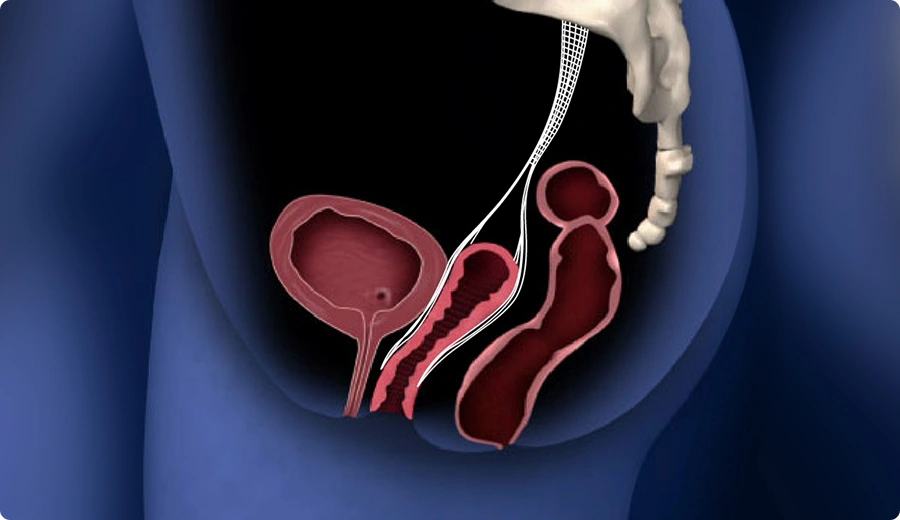
Laparoscopic Sacrocolpopexy for Prolapse
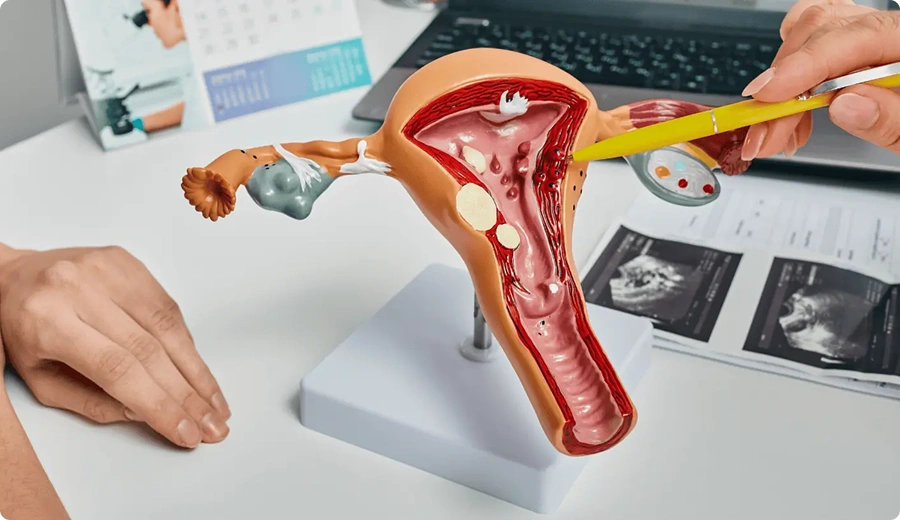
Pelvic organ prolapse occurs when pelvic structures such as the vaginal vault, uterus, or bladder descend from their normal position due to weakened supporting tissues. This condition often arises from:
- Childbirth-related pelvic floor trauma
- Aging and loss of tissue elasticity
- Hormonal changes after menopause
- Previous pelvic surgeries
Symptoms of POP may include pelvic heaviness or pressure, urinary incontinence, difficulty emptying the bladder, constipation, and discomfort during sexual activity, which can significantly affect quality of life.
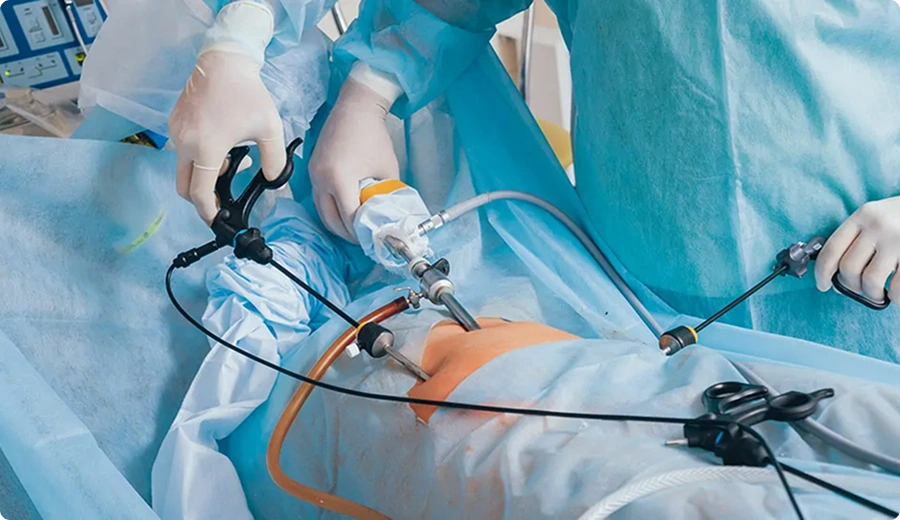
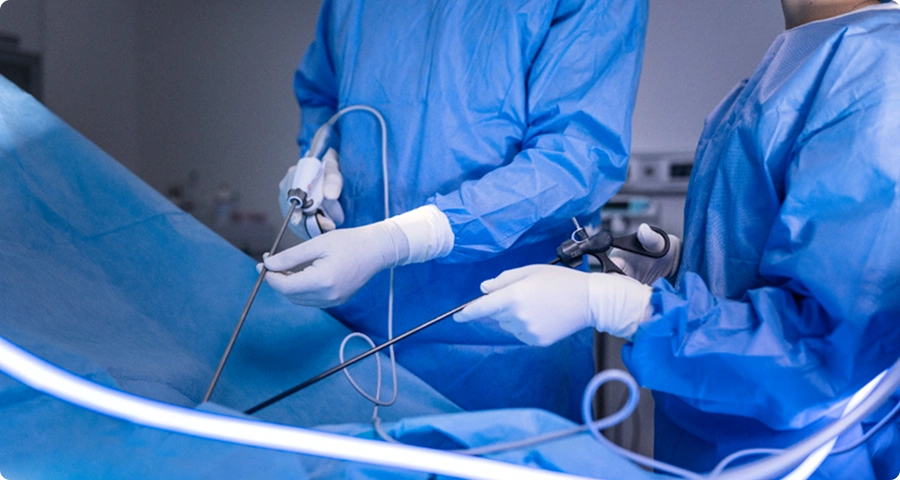
- Small abdominal incisions are made to insert a laparoscope and specialized surgical instruments.
- The prolapsed organ, typically the vaginal vault or uterus, is carefully lifted into its correct anatomical position.
- A surgical mesh is secured to the sacrum to provide durable reinforcement, reducing the risk of recurrence.
What is Laparoscopic Sacrocolpopexy?
Laparoscopic sacrocolpopexy is a minimally invasive surgical procedure designed to restore normal pelvic anatomy and strengthen support structures. During the procedure:
This approach preserves vaginal length and function, making it suitable for women who wish to maintain sexual activity without discomfort.
- Preoperative Planning: Small incisions and laparoscopic tools reduce postoperative pain, scarring, and recovery time.
- Minimally Invasive Technique: Small incisions and laparoscopic tools reduce postoperative pain, scarring, and recovery time.
- Mesh Placement with Precision: Careful fixation of the surgical mesh ensures long-term support while minimizing complications.
- Holistic Healing: Postoperative care includes early mobilization, pelvic floor therapy, and lifestyle guidance to promote recovery.
Advantages of Our Minimally Invasive Approach
Our center follows a patient-focused, precision-driven protocol to ensure optimal outcomes:Detailed evaluation including pelvic imaging and clinical assessment to tailor the surgical approach.
Our Commitment to Recovery
Our team emphasizes comprehensive follow-up, including physical therapy guidance, monitoring of mesh integrity, and support for gradual return to daily routines. This ensures enhanced long-term pelvic health, improved comfort, and restored confidence.
Laparoscopic sacrocolpopexy combines surgical precision, durability, and minimally invasive techniques to effectively treat pelvic organ prolapse. With the guidance of our experienced surgical team, women can regain comfort, functionality, and confidence, resuming normal daily life with improved pelvic health and overall quality of life.

Heavy menstrual bleeding
-

Severe debilitating dysmenorrhea
-
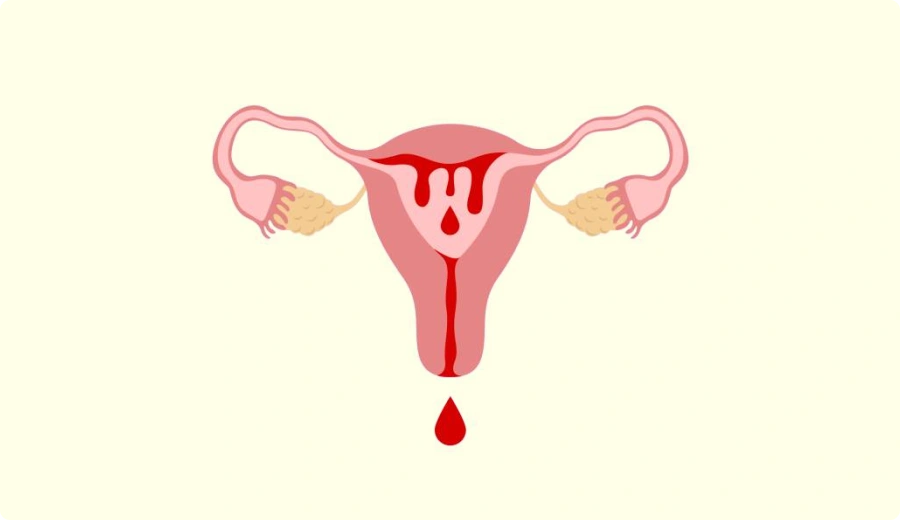
Intermenstrual bleeding
-
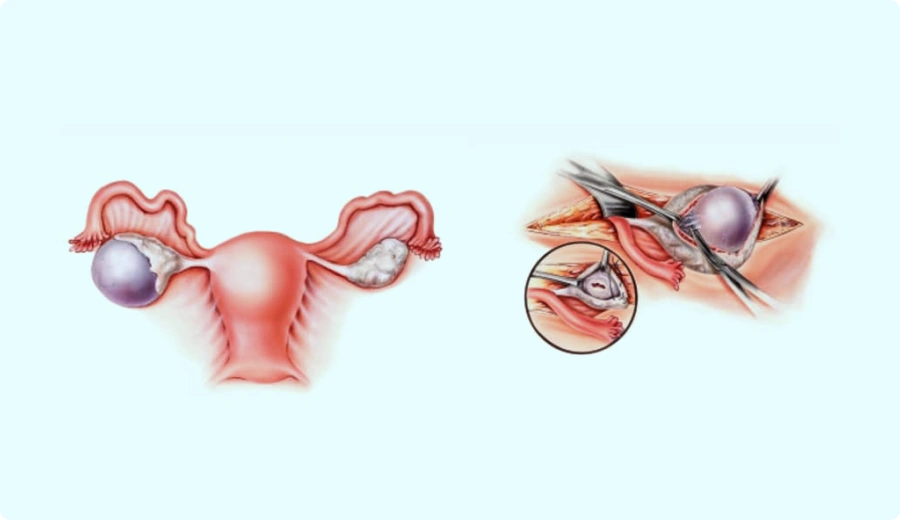
Ovarian cysts for laparoscopy
-
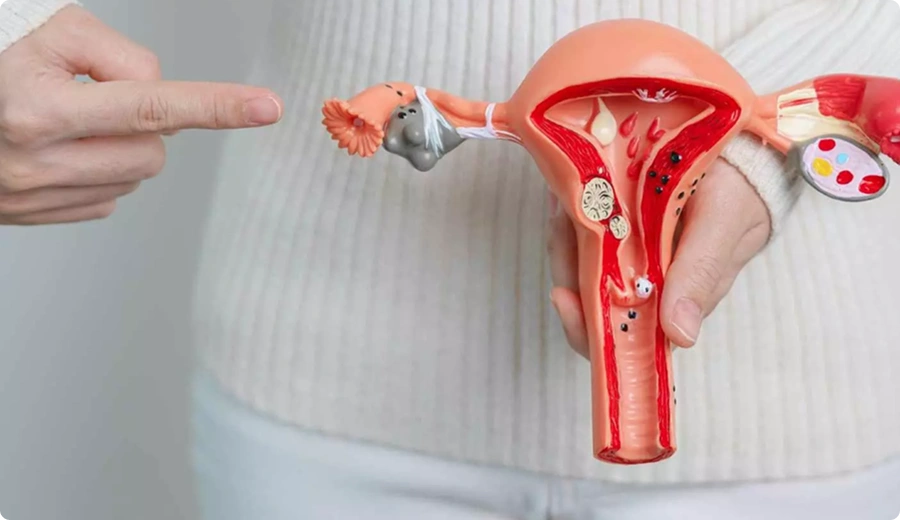
Fibroids or adenomyoma
-
Diagnostic hysterolaparoscopy for infertility
-
Congenital abnormalities
-
Laparoscopic ovarian drilling
-
Hysteroscopic polypectomy
-
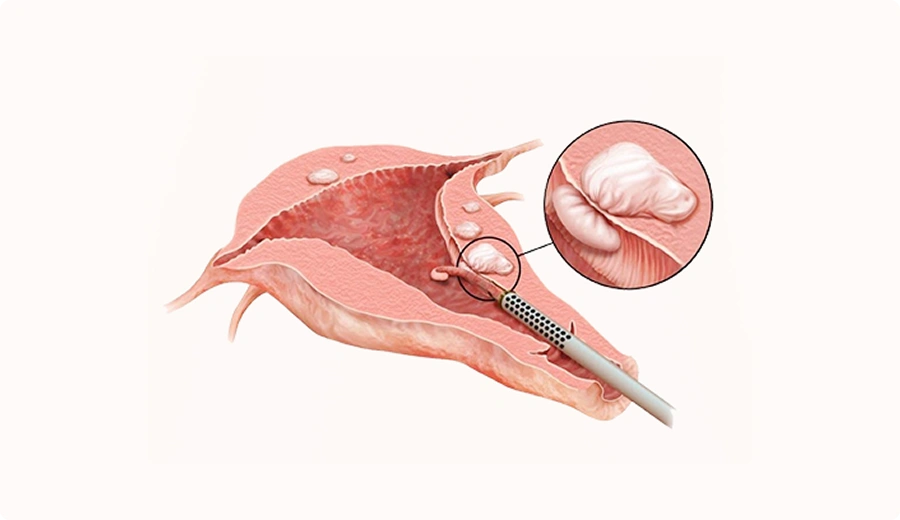
Hysteroscopic resection of myoma
-
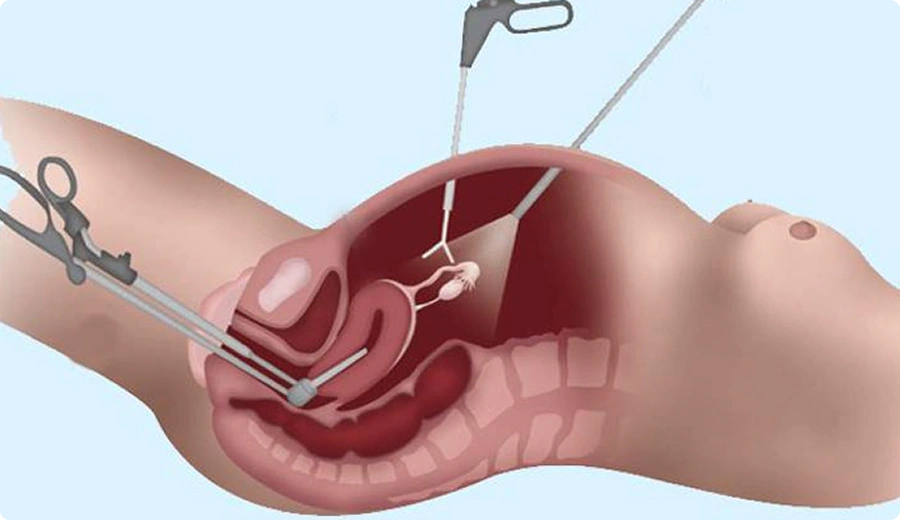
Total laparoscopic hysterectomy
-
Laparoscopic sacrocolpopexy for prolapse
-
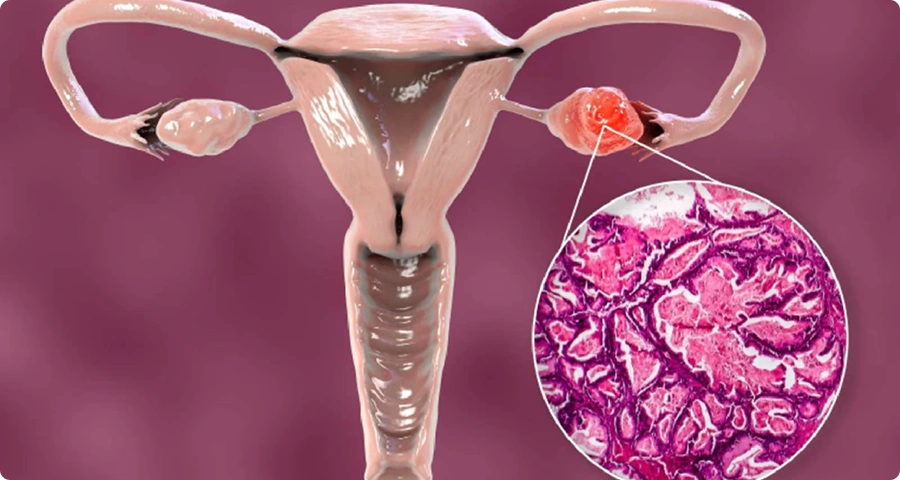
Laparotomy for ovarian ca-staging
-
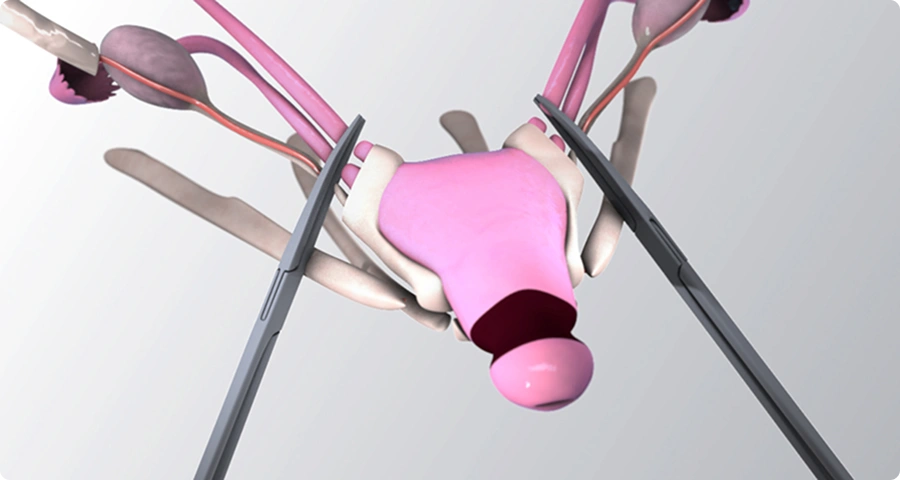
Vaginal hysterectomy
-

Male factor infertility
-

Unexplained infertility
-

Female infertility