
Neurodegenerative & Movement Disorders
Neurodegenerative & Movement Disorders
Expert Evaluation
Patients with conditions like Parkinson’s disease, Huntington’s disease, dystonia, or tremors undergo detailed assessments to track progression and symptom patterns.
Specialized Diagnostics
Advanced imaging, lab investigations, and functional assessments help detect subtle neurological changes early for timely intervention.
Comprehensive Treatment
Management includes a mix of medications, physiotherapy, occupational therapy, and supportive counseling to maintain independence.
Symptom Control
Focus is placed on reducing tremors, stiffness, involuntary movements, and balance issues, helping patients perform daily tasks with greater ease.
Long-Term Care
Regular monitoring ensures that treatment plans evolve as the disease progresses, providing consistent support.
Improved Quality of Life
Holistic care emphasizes mobility, emotional well-being, and dignity, making daily living more manageable.
Parkinson’s
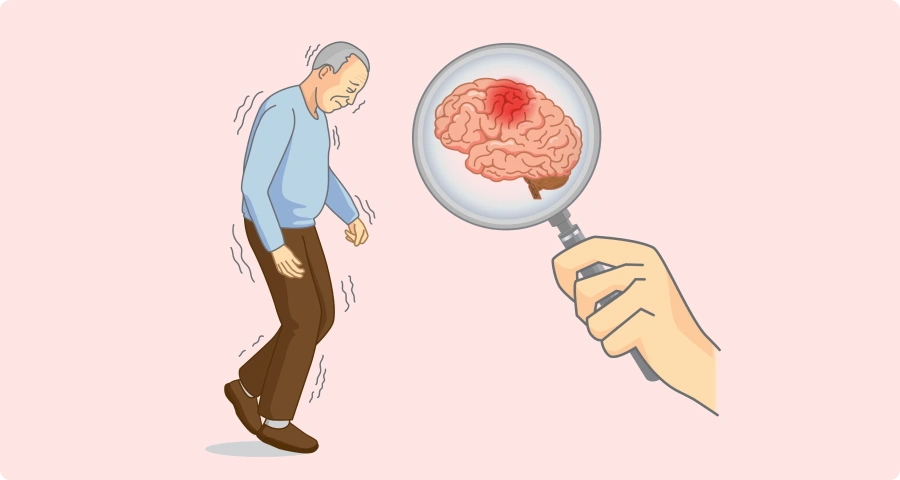
Parkinson’s disease is a progressive neurological disorder that primarily affects movement. It occurs due to the gradual loss of dopamine-producing nerve cells in the brain, leading to impaired communication between motor regions. As dopamine levels drop, symptoms such as tremors, stiffness, slowed mobility, and balance issues emerge, gradually impacting day-to-day independence.
Common Symptoms of Parkinson’s
- Tremors: Involuntary shaking, often beginning in the hands or fingers.
- Muscle rigidity: Stiffness in the limbs, reducing flexibility.
- Bradykinesia: Slowed movement, making routine tasks time-consuming.
- Postural instability: Poor balance, leading to frequent falls.
- Early signs: Smaller handwriting, monotone speech, reduced facial expressions.
Diagnosis and Early Intervention
Accurate and early diagnosis is vital for effective management. Neurologists often combine:
- Detailed medical history and neurological exams.
- Imaging tests when needed to rule out other conditions.
- Regular assessments to monitor disease progression.
Treatment Approaches
While Parkinson’s has no definitive cure, treatments focus on controlling symptoms and improving quality of life
Medications:
- Levodopa to replenish dopamine.
- Dopamine agonists to mimic dopamine effects.
- MAO-B inhibitors to slow dopamine breakdown.
Therapies:
- Physical therapy for strength, flexibility, and balance.
- Occupational therapy to adapt daily routines.
- Speech therapy to address voice and articulation challenges.
Advanced options: In severe cases, surgical interventions like deep brain stimulation (DBS) may be considered.
Lifestyle Modifications
Non-medical strategies play a strong role in managing Parkinson’s:
- Regular exercise (walking, yoga, tai chi) for mobility.
- Nutritious, balanced diet to support overall health.
- Stress reduction through mindfulness or relaxation techniques.
- Structured sleep routines for improved energy levels.
Emotional & Social Support
Living with Parkinson’s can be emotionally taxing. Support groups and counseling provide guidance for patients and families, helping them cope with the challenges of a chronic condition.
Alzheimer’s
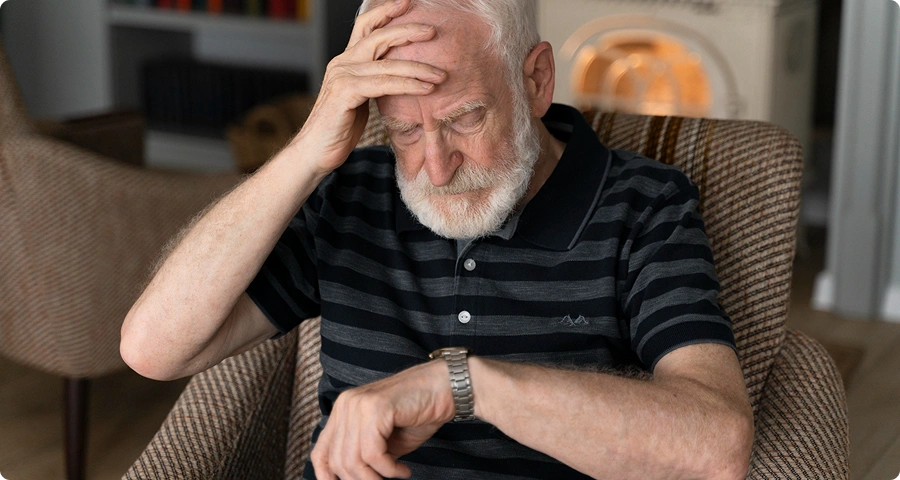
Alzheimer’s disease is the leading cause of dementia and a progressive neurological disorder that severely impacts memory, cognition, and daily functioning. It develops due to the accumulation of abnormal proteins in the brain, which damage nerve cells and disrupt communication pathways between neurons. This gradual breakdown leads to a steady decline in mental abilities, beginning with mild memory lapses and advancing to significant cognitive and functional impairment.
Early Signs and Symptoms
- Frequent forgetfulness, especially about recent events.
- Misplacing everyday items or struggling to retrace steps.
- Difficulty planning, solving problems, or concentrating.
- Confusion about time, place, or familiar surroundings.
- Mood swings, social withdrawal, and changes in personality.
- Trouble recognizing family members or close friends in later stages.
Treatment and Management
Although there is no cure for Alzheimer’s disease, available treatments can help slow progression and enhance quality of life. Management typically includes:
- Medications such as cholinesterase inhibitors or memantine to support cognitive function and reduce behavioral symptoms.
- Cognitive stimulation therapies designed to engage memory, reasoning, and problem-solving abilities.
- Multidisciplinary care, involving neurologists, psychologists, and therapists, to address various aspects of the disease.
Lifestyle and Preventive Measures
Healthy lifestyle choices play an important role in maintaining brain function and overall well-being. Beneficial measures include:
- Regular physical activity to boost blood flow to the brain.
- A nutrient-rich diet with antioxidants, omega-3 fatty acids, and whole grains.
- Social interaction to combat isolation and depression.
- Mentally stimulating activities such as reading, puzzles, or learning new skills.
Support for Families and Caregivers
Alzheimer’s not only affects patients but also places a considerable burden on caregivers. Support systems can include:
- Counseling and stress management for emotional resilience.
- Community resources and caregiver support groups.
- Education to better handle behavioral and communication challenges.
Early diagnosis and a personalized care plan enable individuals with Alzheimer’s to maintain dignity and independence for as long as possible. With medical treatment, lifestyle adjustments, and compassionate caregiver support, patients can experience improved quality of life despite the challenges of this condition.
Dementia
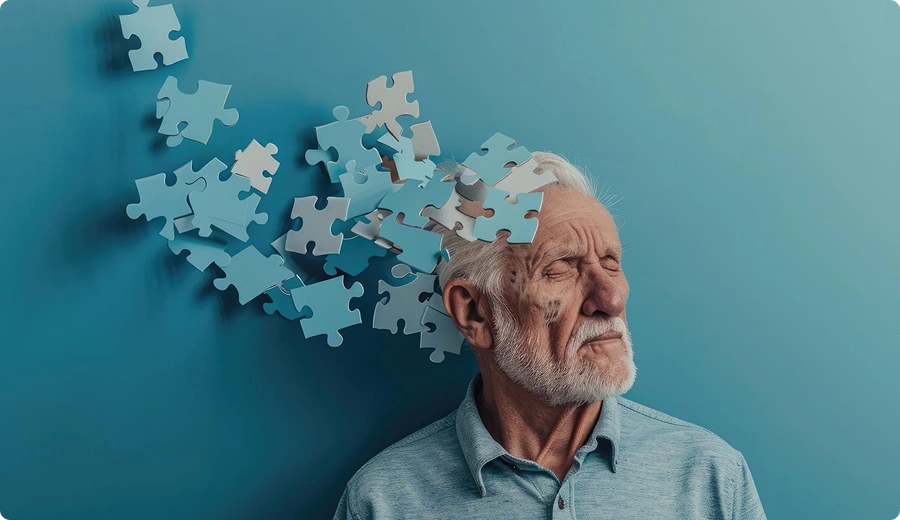
Dementia is a term that describes a group of symptoms linked to the decline of cognitive functions, severe enough to affect day-to-day living. It is not a single disease but an umbrella covering conditions such as Alzheimer’s disease, vascular dementia, Lewy body dementia, and more. While each type has distinct causes, they share common challenges such as memory loss, impaired reasoning, mood changes, and communication difficulties.
Key Aspects of Dementia Care:
- Symptoms and Impact: Dementia primarily affects memory, attention, reasoning, and the ability to manage everyday activities. Patients may struggle with following conversations, managing finances, navigating familiar spaces, or making decisions. Emotional changes, confusion, and social withdrawal are also common.
- Progression of the Condition: The course of dementia varies depending on its type and the individual, but symptoms typically worsen over time. Early stages often involve mild forgetfulness, while later stages can bring severe disorientation, personality changes, and dependency for daily care.
- Infections or autoimmune diseases- that attack the nervous system
- Diagnosis and Assessments: Early and accurate diagnosis is essential to distinguish dementia from other conditions such as depression or medication side effects. Neurological evaluations may include brain imaging, blood tests, and cognitive assessments to determine the type and stage.
- Treatment Approaches: While there is no cure, treatment focuses on managing symptoms and improving quality of life. Medications may help slow progression and manage behavioral issues like agitation or depression. Cognitive therapies, memory exercises, and occupational therapy support brain function.
- Lifestyle and Supportive Care: Mental stimulation, social engagement, a balanced diet, and regular physical activity are encouraged to strengthen brain health. Creating a safe and structured environment helps patients maintain independence and reduces risks of confusion or injury.
- Caregiver Support: Caregivers play a vital role in dementia management. Education, counseling, and support groups provide them with strategies to cope with the physical and emotional demands, ensuring sustained quality care.
Through timely diagnosis, holistic treatment, and compassionate caregiving, dementia patients can continue to live with dignity and purpose, while families receive the guidance and resources needed to navigate the journey together.

Memory Disorders
Memory disorders cover a wide spectrum of conditions where individuals face challenges in recalling, processing, or retaining information. These may affect both short-term and long-term memory, interfering with daily routines, decision-making, and independence. Causes vary, ranging from natural aging, traumatic brain injuries, and strokes to neurodegenerative diseases like Alzheimer’s, as well as psychological conditions such as depression or anxiety.
Common symptoms include frequent forgetfulness, misplacing belongings, difficulty concentrating, repeating questions, or struggling to learn new information. While early signs may appear subtle, they often worsen over time, making early recognition and timely care essential.
Diagnosis and Evaluation
Accurate diagnosis is the cornerstone of effective treatment. This process typically involves cognitive assessments, neurological examinations, and brain imaging. Pinpointing the root cause helps distinguish between reversible impairments, such as those linked to stress or vitamin deficiencies—and progressive neurological disorders, ensuring patients receive the right level of care.
Treatment and Management
Treatment strategies are highly individualized. Depending on the diagnosis, patients may benefit from:
- Medications to enhance cognitive function or manage mood-related symptoms.
- Cognitive rehabilitation programs, including memory exercises and brain training techniques.
- Lifestyle modifications aimed at slowing decline and supporting daily function.
Role of Lifestyle and Preventive Care
Healthy lifestyle practices are vital in preserving brain function. These include:
- Regular physical exercise to improve blood flow and brain health.
- A balanced, antioxidant-rich diet to support cognitive vitality.
- Social interactions and engaging activities such as puzzles, reading, or learning new skills.
- Adequate sleep and stress management to reduce mental strain.
Support and Education: Equally important is empowering both patients and caregivers with education and coping tools. Guidance on managing symptoms, creating safe environments, and adopting supportive routines helps maintain independence and quality of life.
Goal of Care: The ultimate aim is to slow progression, preserve mental capacity, and foster resilience. With timely intervention and consistent support, individuals can continue to live with dignity, autonomy, and improved daily functioning despite memory challenges.

Essential Tremor
Essential tremor is one of the most common neurological movement disorders, marked by involuntary rhythmic shaking that affects the hands, head, voice, or even legs. While not life-threatening, it can interfere with daily tasks, impact confidence, and cause social anxiety. At Dr. Sampath’s clinic, specialized care focuses on accurate diagnosis, effective management, and improving quality of life.
Key Facts about Essential Tremor
- Symptoms: Involuntary, rhythmic shaking that worsens during movement (eating, writing, or holding objects).
- Triggers: Stress, fatigue, caffeine, or certain medications can aggravate tremors.
- Genetic Link: Often hereditary, running in families across generations.
- Onset: Can develop at any age but is more common in older adults.
- Difference from Parkinson’s: Tremors occur during action, unlike Parkinson’s which usually shows at rest.
Diagnosis at Dr. Sampath’s Clinic
- Detailed neurological evaluation based on patient history.
- Clinical tests to rule out Parkinson’s disease and other tremor-causing conditions.
- Family history review to identify genetic influence.
Treatment & Management Options
- Medications: Beta-blockers and anticonvulsants to reduce tremor intensity.
- Advanced Therapies: Deep brain stimulation (DBS) or focused ultrasound for resistant cases.
- Occupational Therapy: Training in adaptive techniques and assistive devices for writing, eating, or dressing.
- Lifestyle Guidance: Stress management, reducing caffeine, and ensuring good sleep hygiene.
Supportive Care at Dr. Sampath’s Clinic
- Personalized treatment plans tailored to age, severity, and lifestyle.
- Education & Counseling to empower patients and families with coping strategies.
- Ongoing monitoring for medication effectiveness and treatment adjustments.
- Holistic care that addresses both physical symptoms and emotional well-being.
Living with Essential Tremor
With the right combination of medical, therapeutic, and lifestyle interventions, individuals can manage tremors effectively, regain confidence, and maintain independence in daily life. Dr. Sampath’s clinic ensures compassionate support at every stage, helping patients live with stability, dignity, and improved quality of life.
Ataxia
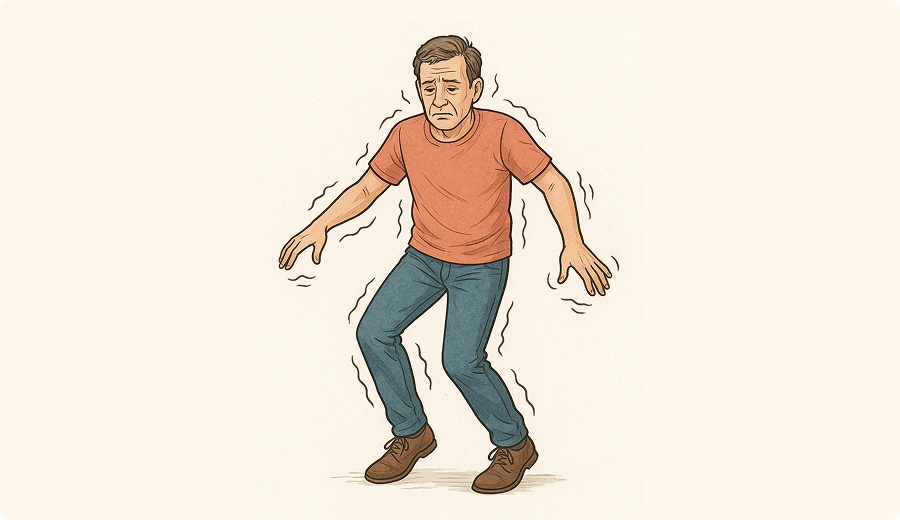
Ataxia is a neurological disorder that impairs muscle coordination and affects voluntary movements such as walking, speaking, and fine motor skills. It may appear as an unsteady gait, balance difficulties, tremors, slurred speech, or challenges with precise tasks like writing and buttoning clothes. The condition can be caused by genetic mutations, brain or spinal cord injury, stroke, multiple sclerosis, infections, or long-term alcohol misuse. While many types of ataxia are progressive and lack a cure, early diagnosis and multidisciplinary treatment help manage symptoms and improve quality of life.
Key Symptoms
- Unsteady gait and frequent stumbling
- Poor balance and difficulty standing upright
- Slurred speech or swallowing difficulties
- Tremors in hands, arms, or head
- Impaired fine motor skills affecting daily tasks
Causes
- Genetic mutations leading to hereditary ataxias
- Damage to the cerebellum due to stroke or trauma
- Neurological conditions such as multiple sclerosis
- Infections affecting the brain or nervous system
- Chronic alcohol abuse or exposure to toxins
Diagnosis Methods
- Comprehensive neurological examination to assess motor skills and reflexes
- MRI or CT scans to detect abnormalities in brain or spinal cord
- Genetic testing for inherited forms of ataxia
- Blood tests to rule out metabolic or immune-related conditions
Treatment Approaches
- Physical therapy to improve balance, mobility, and muscle strength
- Speech therapy for communication and swallowing difficulties
- Occupational therapy for adapting to daily tasks with assistive devices
- Medications to manage tremors, stiffness, or related symptoms
- Lifestyle changes including diet control and avoiding alcohol
Supportive Care
- Counseling to cope with emotional and psychological challenges
- Family education for better care and understanding
- Support groups to connect with others facing similar struggles
- Regular monitoring for adjusting treatment strategies
A collaborative, multidisciplinary approach ensures patients maintain dignity and independence while reducing the risks of complications. With the right combination of therapies, support, and lifestyle adjustments, individuals with ataxia can lead safer, more fulfilling lives despite the challenges.
Movement Disorder
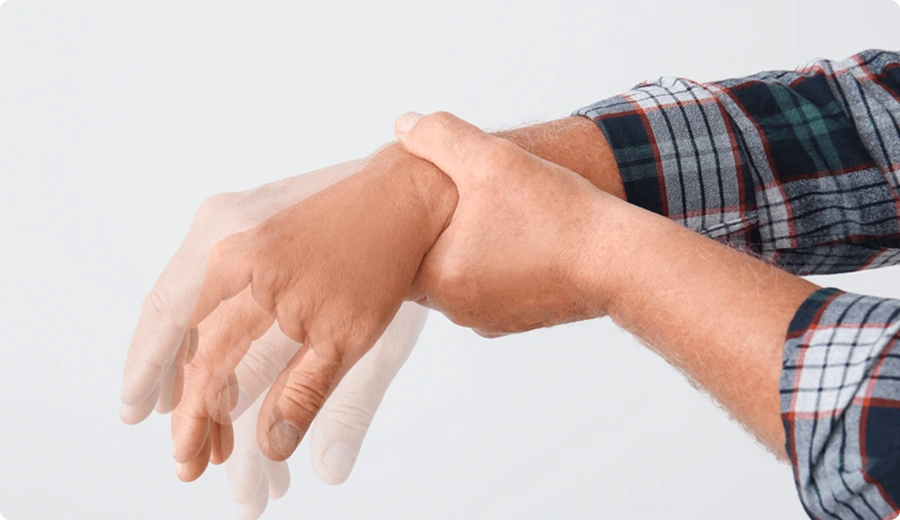
Movement disorders represent a wide spectrum of neurological conditions that affect voluntary and involuntary movements. They can cause tremors, spasms, rigidity, slowed motion, or abnormal twisting movements, significantly interfering with daily tasks and quality of life. Causes range from genetic factors and brain injuries to neurodegenerative diseases such as Parkinson’s. Early diagnosis and tailored treatment are crucial to minimize complications and support long-term well-being.
Key Symptoms of Movement Disorders
- Tremors: Rhythmic shaking of hands, head, or body parts.
- Bradykinesia: Noticeable slowness of movement.
- Dystonia: Involuntary twisting or writhing motions.
- Rigidity: Muscle stiffness leading to restricted motion.
- Tics/Spasms: Sudden, repetitive, or jerky actions.
- Balance and coordination difficulties impacting daily activities.
Causes and Risk Factors
- Genetic predispositions or hereditary conditions.
- Traumatic brain injuries or stroke.
- Infections or autoimmune diseases affecting the nervous system.
- Neurodegenerative processes such as Parkinson’s or Huntington’s disease.
- Environmental and metabolic factors influencing brain chemistry.
Diagnosis and Evaluation
- Comprehensive neurological history and physical examination.
- Brain imaging (MRI, CT scans) for structural abnormalities.
- Electrophysiological tests like EEG or EMG for movement analysis.
- Differential diagnosis to distinguish between various disorders.
Treatment Approaches
- Medications: Dopaminergic drugs for Parkinson’s, anticonvulsants for tremors, or muscle relaxants for spasms.
- Physical Therapy: Enhances flexibility, posture, and fall prevention.
- Occupational Therapy: Helps adapt everyday tasks using assistive devices.
- Surgical Options: Deep Brain Stimulation (DBS) for severe cases resistant to medication.
- Complementary Therapies: Stress management, regular exercise, and counseling.
Living with Movement Disorders
- Early diagnosis and consistent treatment improve long-term outcomes.
- Multidisciplinary care involving neurologists, therapists, and support networks.
- Patient and family education to manage symptoms and reduce anxiety.
- Emphasis on enhancing independence, safety, and quality of life.
With a holistic approach combining medical, rehabilitative, and supportive care, individuals living with movement disorders can better manage symptoms, maintain mobility, and continue meaningful participation in daily and social activities.