

Laparoscopic Ovarian Drilling
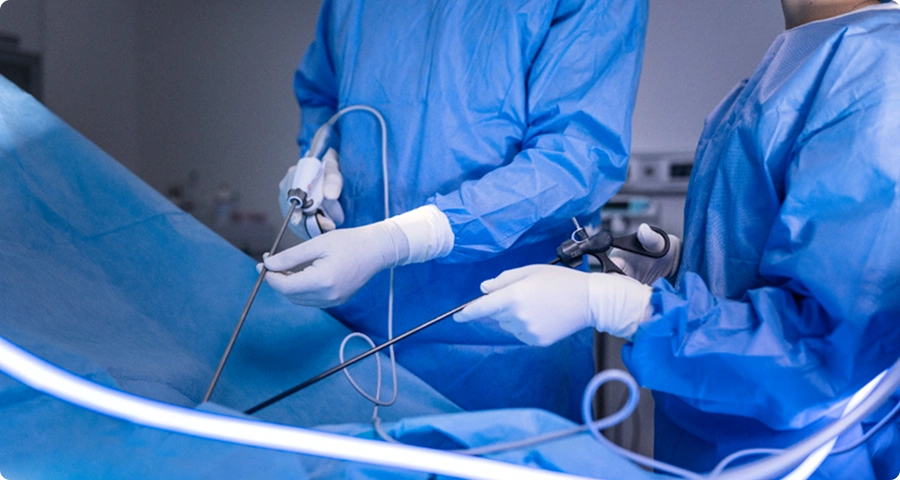
Laparoscopic Ovarian Drilling
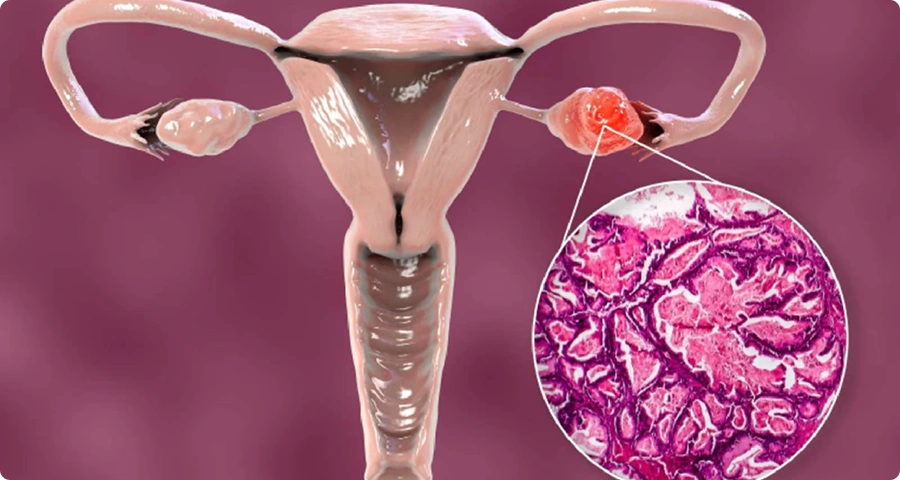
Laparoscopic ovarian drilling (LOD) is a minimally invasive surgical procedure designed to help women with polycystic ovary syndrome (PCOS) who have not responded to conventional ovulation induction therapies. The primary goal is to restore regular ovulatory cycles by reducing excess androgen production and promoting follicular development. This targeted intervention can significantly improve fertility and hormonal balance in select patients.
- Have PCOS-related infertility with failure of ovulation induction medications like clomiphene citrate or letrozole.
- Experience irregular or absent menstrual cycles despite lifestyle modifications.
- Have hormonal imbalances, particularly elevated androgens, contributing to anovulation.
- Seek to avoid long-term medication risks, such as ovarian hyperstimulation or multiple pregnancies.
Indications for LOD
LOD is generally recommended for women who:
- Performed under general anesthesia with small abdominal incisions.
- A laparoscope is inserted to visualize the ovaries and surrounding pelvic structures.
- Controlled diathermy or laser energy is used to puncture the ovarian surface at specific points.
- The intervention helps reduce androgen levels and encourages ovulation in subsequent cycles.
Procedure Details
- Minimally invasive with short hospital stay and faster recovery.
- Lower risk of adhesions compared to older ovarian surgeries.
- Offers a natural approach to ovulation, reducing the need for repeated medication cycles.
Benefits of LOD
- Evaluation and treatment of endometriosis
- Tubal patency testing
Can be combined with other laparoscopic procedures, such as:
- LOD has demonstrated good success rates in restoring ovulation and improving pregnancy chances.
- Results vary depending on age, ovarian reserve, and individual hormonal profile.
- Not suitable for all patients; careful evaluation by a fertility specialist is essential.
Effectiveness and Considerations
- Most women resume normal activities within a few days.
- Follow-up includes monitoring menstrual cycles, ovulation, and hormonal levels.
- Lifestyle and fertility counseling may complement the procedure for optimal outcomes.
Postoperative Care and Recovery
Our Approach
At our center, the fertility and gynecology team uses advanced laparoscopic techniques to ensure precise treatment with minimal discomfort. By combining diagnostic and therapeutic procedures, we aim to restore reproductive potential, improve hormonal balance, and enhance quality of life for women with PCOS.
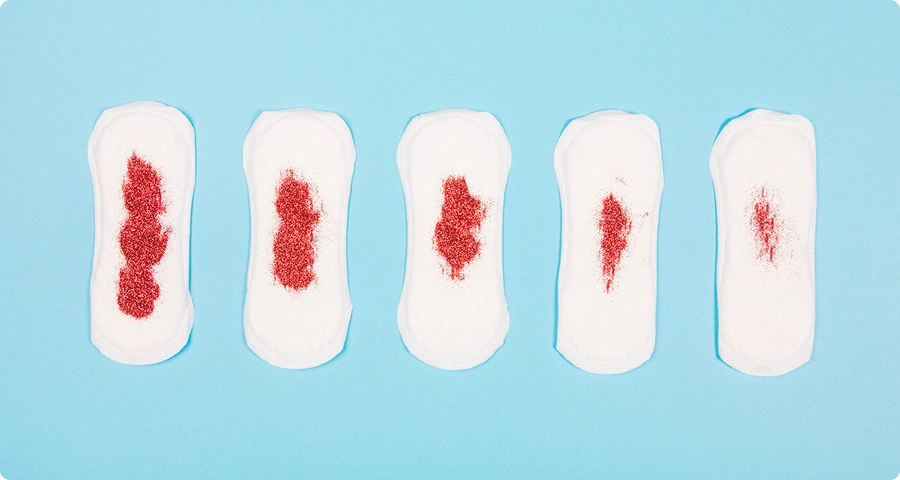
Heavy menstrual bleeding
-
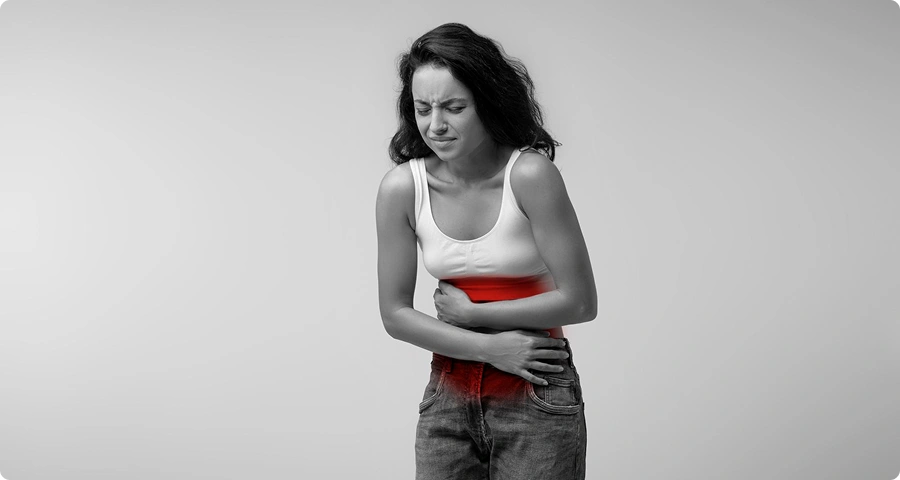
Severe debilitating dysmenorrhea
-
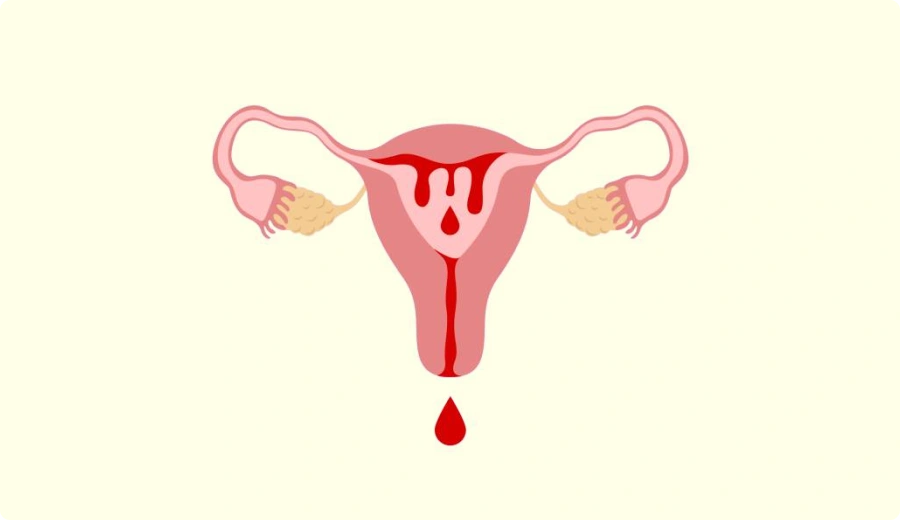
Intermenstrual bleeding
-
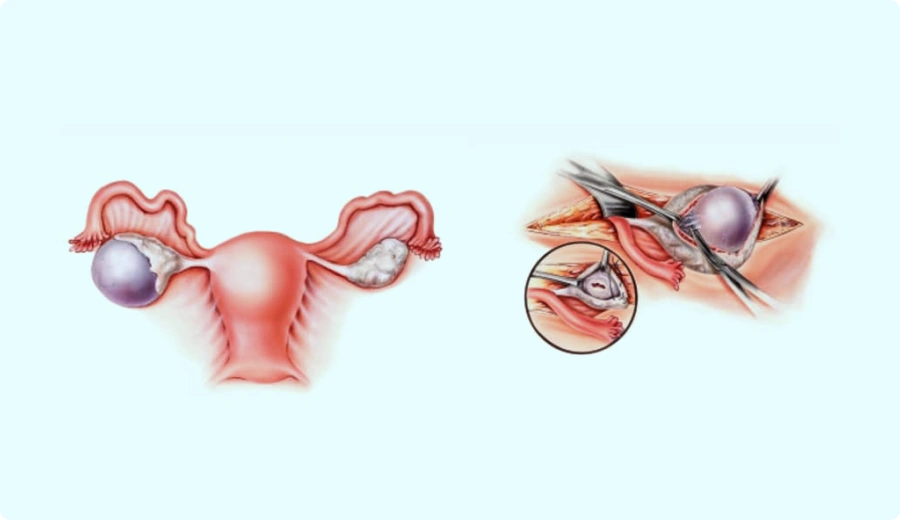
Ovarian cysts for laparoscopy
-
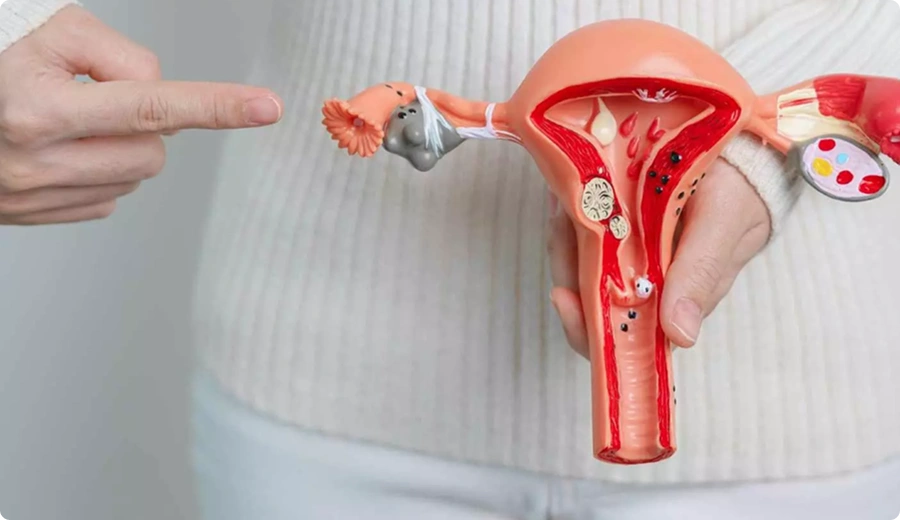
Fibroids or adenomyoma
-
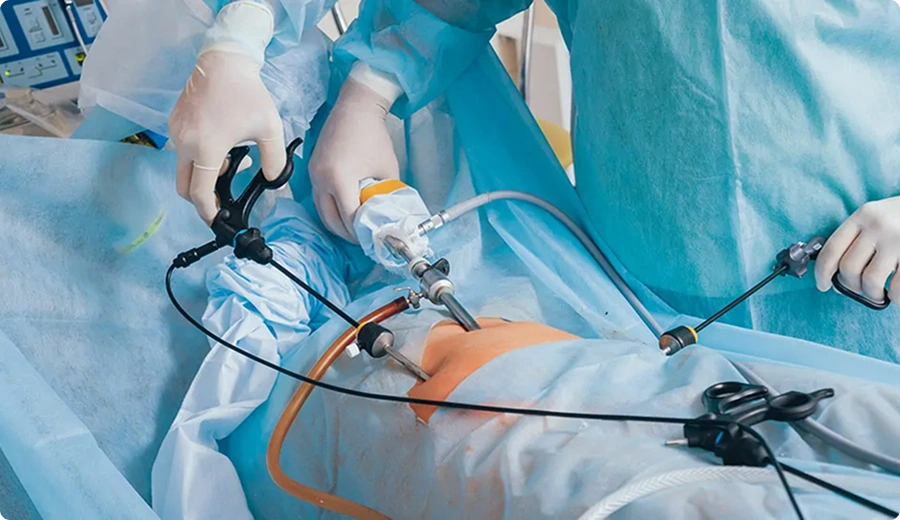
Diagnostic hysterolaparoscopy for infertility
-
Congenital abnormalities
-
Laparoscopic ovarian drilling
-
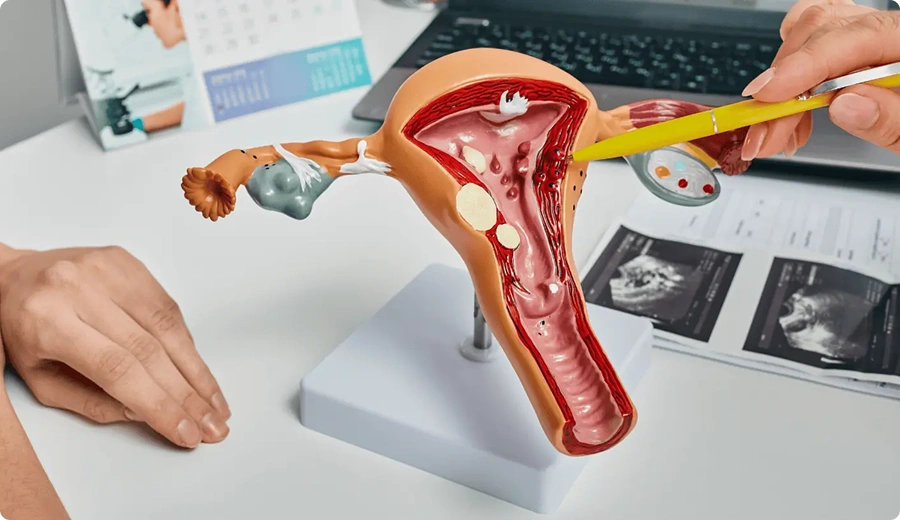
Hysteroscopic polypectomy
-
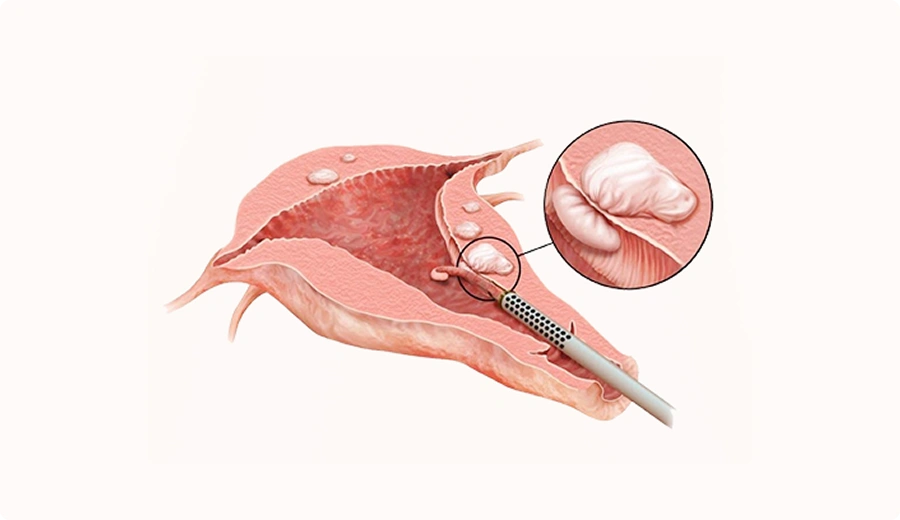
Hysteroscopic resection of myoma
-
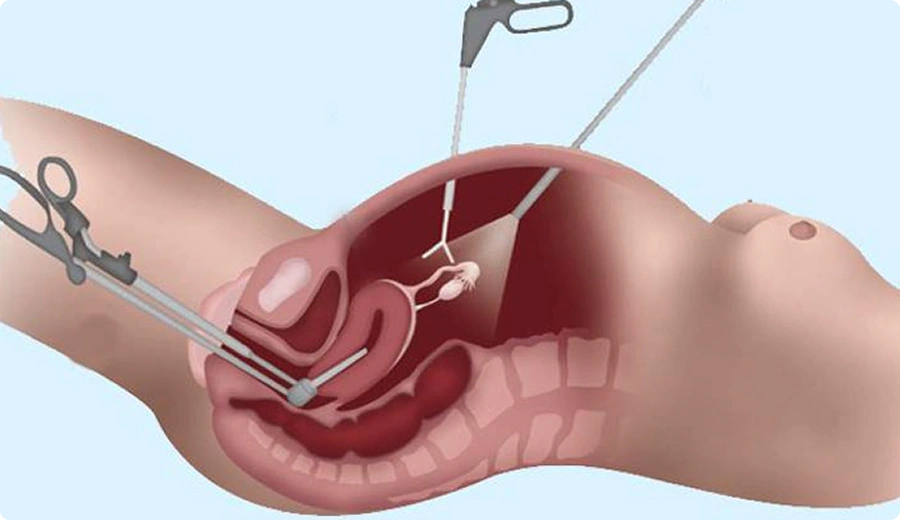
Total laparoscopic hysterectomy
-
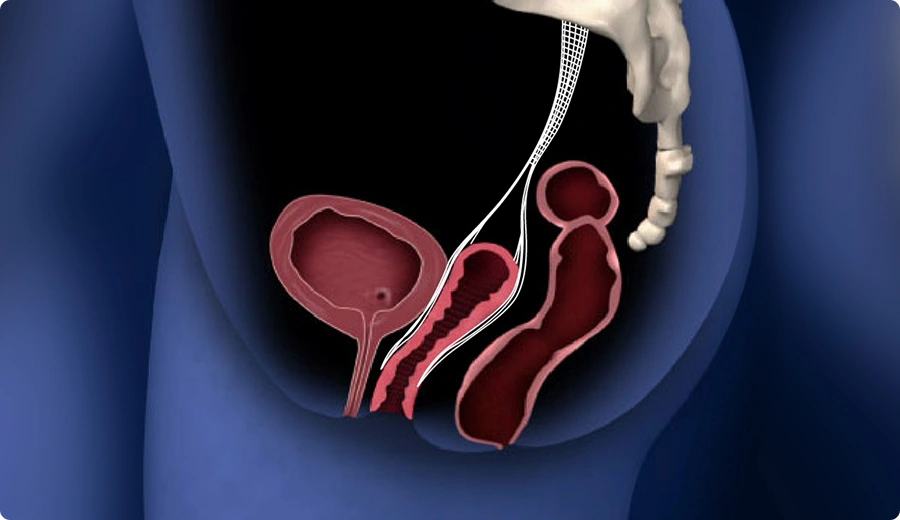
Laparoscopic sacrocolpopexy for prolapse
-
Laparotomy for ovarian ca-staging
-
Vaginal hysterectomy
-

Male factor infertility
-
Unexplained infertility
-

Female infertility