

General & Pain Neurology
General & Pain Neurology
Comprehensive Diagnosis
Every patient begins with a detailed neurological evaluation to identify the exact cause of headaches, migraines, nerve pain, or chronic discomfort, ensuring precision in treatment planning.
Advanced Investigations
Modern diagnostic tools are used to detect underlying issues that may not be obvious in routine checkups, offering deeper insights into neurological health.
Tailored Treatment Plans
Management strategies are personalized, including medications, nerve block procedures, or lifestyle modifications to suit each individual’s condition.
Focus on Relief & Functionality
The aim is not only to reduce pain but also to restore daily functionality and prevent future flare-ups.
Migraine & Tension Headache
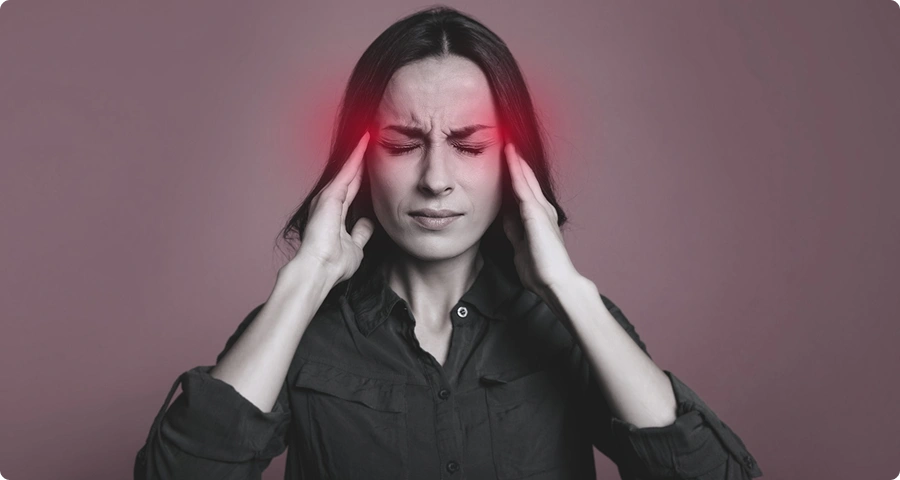
Migraines and tension headaches are among the most frequent yet debilitating neurological disorders, often disrupting productivity, daily routines, and emotional balance. While both conditions cause head pain, their nature and triggers differ, requiring tailored diagnosis and care.
Migraines
- Recurrent episodes of moderate to severe throbbing pain, usually on one side of the head
- Accompanied by nausea, vomiting, or sensitivity to light and sound
- Triggers may include stress, certain foods, hormonal changes, or environmental factors
Tension Headaches
- Constant, band-like pressure or dull ache around the forehead, temples, or back of the head
- Frequently associated with stress, prolonged screen time, poor posture, or eye strain
- Pain is typically less intense but more persistent than migraines
Diagnosis involves a detailed evaluation of headache patterns, frequency, and triggers. In some cases, imaging or lab tests may be recommended to exclude underlying conditions.
Treatment focuses on both acute relief and long-term prevention
- Acute episodes: fast-acting pain relievers, triptans, or other medications to control immediate pain
- Preventive measures: daily medications, stress-management strategies, and dietary modifications
- Lifestyle adjustments: maintaining hydration, sleep hygiene, exercise, and ergonomic practices
- Trigger management: avoiding foods, habits, or environmental factors known to provoke attacks
Beyond medical care, supportive therapies can enhance results:
- Relaxation techniques, meditation, and breathing exercises
- Biofeedback and cognitive-behavioral therapy (CBT) for stress-related headaches
- Physiotherapy or posture correction for tension-related discomfort
Patient education is an essential part of care, empowering individuals to recognize early warning signs, use medications safely, and adopt healthier routines. With a comprehensive and holistic approach that combines science, lifestyle, and self-awareness, it is possible to reduce the burden of headaches, restore focus, and significantly improve overall quality of life.

Chronic Pains
Chronic pain is more than a lingering ache, it is a complex health condition that can last for weeks, months, or even years. Unlike acute pain, which signals an immediate injury, chronic pain often persists long after the initial cause has healed, or sometimes develops without a clear trigger. It can range from mild discomfort to severe, debilitating pain that impacts mobility, sleep, energy, and emotional well-being.
Common Causes of Chronic Pain
- Neurological disorders and nerve damage
- Arthritis and joint degeneration
- Spinal issues or injuries
- Post-surgical complications
- Fibromyalgia and autoimmune conditions
- Persistent musculoskeletal disorders
Living with chronic pain can also take a toll on mental health, often leading to anxiety, depression, or social withdrawal. That’s why effective treatment requires addressing both the physical and emotional aspects of pain.
Our Comprehensive Approach
At our centre, we focus on treating the root cause rather than just masking symptoms. Care begins with a detailed evaluation that may include:
- Thorough medical history review
- Neurological assessments
- Diagnostic imaging and lab tests
- Lifestyle and environmental factor analysis
Tailored Treatment Plans
Once the cause is identified, we create a personalized plan designed to restore function and improve daily living. This may involve:
- Targeted medications and advanced pain management techniques
- Physical therapy and mobility restoration exercises
- Lifestyle modifications, including diet and activity adjustments
- Supportive therapies such as counseling, mindfulness, and relaxation practices
Our Goal
The aim is not only to reduce pain but also to:
- Restore mobility and independence
- Improve sleep and energy levels
- Enhance overall emotional well-being
- Help patients return to hobbies and active living
With the right care, chronic pain doesn’t have to define life. We’re here to support patients in reclaiming comfort, stability, and a better quality of life.

Neuropathy
Neuropathy occurs when the nerves are damaged or fail to function properly, often leading to symptoms such as tingling, numbness, burning pain, muscle weakness, or heightened sensitivity. While it can affect many areas of the body, it most commonly impacts the hands and feet. Diabetes is among the leading causes, but neuropathy may also result from infections, autoimmune disorders, nutritional deficiencies, medications, injuries, prolonged pressure on nerves, or even natural aging.
Causes of Neuropathy
- Metabolic disorders- such as diabetes and thyroid imbalances
- Nutritional deficiencies- especially B vitamins
- Infections or autoimmune diseases- that attack the nervous system
- Medications and toxins- including chemotherapy or alcohol use
- Physical injuries- that compress or damage nerves
A thorough diagnosis is essential before starting treatment. This often includes a detailed medical history, a comprehensive neurological exam, and, if necessary, specialized nerve conduction studies or imaging.
Treatment Approach at Our Practice
Our care focuses on a comprehensive, root-cause-based plan, combining symptom relief with long-term nerve protection.
- Addressing underlying causes- e.g., managing diabetes, correcting vitamin deficiencies, treating infections
- Medications- to reduce nerve-related pain and discomfort
- Physiotherapy- to improve strength, balance, and mobility
- Lifestyle guidance- including nutrition, exercise, stress reduction, and avoiding alcohol or smoking
- Nutritional supplements- recommended where beneficial for nerve repair and health
Patient education is also central to care. Learning how to recognize triggers, prevent injuries (such as foot care in diabetic neuropathy), and adopt protective habits empowers patients to manage neuropathy more effectively.
Our Goal
The ultimate aim of neuropathy care is to preserve nerve function, ease symptoms, and prevent further progression. Early intervention plays a crucial role in slowing down nerve damage and improving long-term outcomes. While living with neuropathy can be challenging, with the right care and lifestyle changes, many individuals achieve improved comfort, mobility, and overall quality of life.
Peripheral Neuropathy
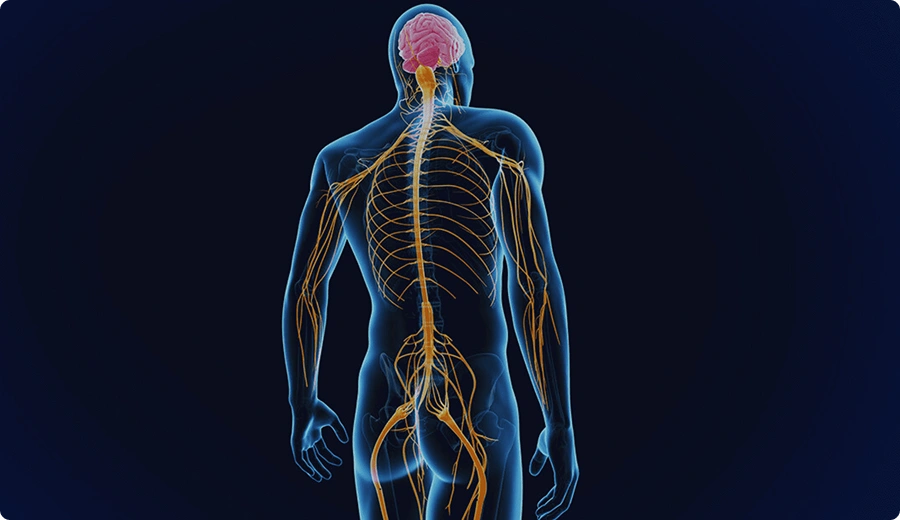
Peripheral neuropathy occurs when the peripheral nerves, those outside the brain and spinal cord, are damaged or diseased. These nerves act as communication pathways between the central nervous system and the rest of the body, including the arms, legs, and internal organs. When affected, patients may experience weakness, numbness, tingling, burning sensations, or sharp pain. Symptoms often begin in the hands and feet, gradually progressing upward, and can impact mobility, coordination, and balance.
Causes of Peripheral Neuropathy
There are several possible causes, with diabetes being the most common. Other factors include:
- Physical injuries or trauma
- Viral or bacterial infections
- Autoimmune diseases
- Nutritional deficiencies
- Toxin exposure
- Certain medications
In some cases, the exact cause remains unclear.
Our Approach to Treatment
We focus on three main goals, identifying the underlying cause, relieving symptoms, and protecting long-term nerve health. This process begins with:
- Detailed history and neurological evaluation
- Diagnostic testing to determine nerve type and extent of damage
- Customized care plan tailored to patient needs
Treatment Options
Based on individual requirements, treatment may include:
- Medications to reduce pain, inflammation, and improve nerve signaling
- Physiotherapy to build strength, coordination, and flexibility
- Advanced nerve stimulation therapies that support nerve repair and communication
- Lifestyle modifications such as adopting a nutrient-rich diet, regular exercise, avoiding alcohol, and managing chronic conditions like diabetes or thyroid issues
Long-Term Goals
Our care is not limited to symptom relief. We emphasize:
- Restoring independence and confidence in daily life
- Minimizing complications and slowing progression
- Offering ongoing education and support to patients and families
By combining medical expertise with holistic strategies, many individuals experience significant improvement in function, reduction of symptoms, and a better quality of life. With timely intervention and consistent care, living well with peripheral neuropathy is possible.
Trigeminal Neuralgia
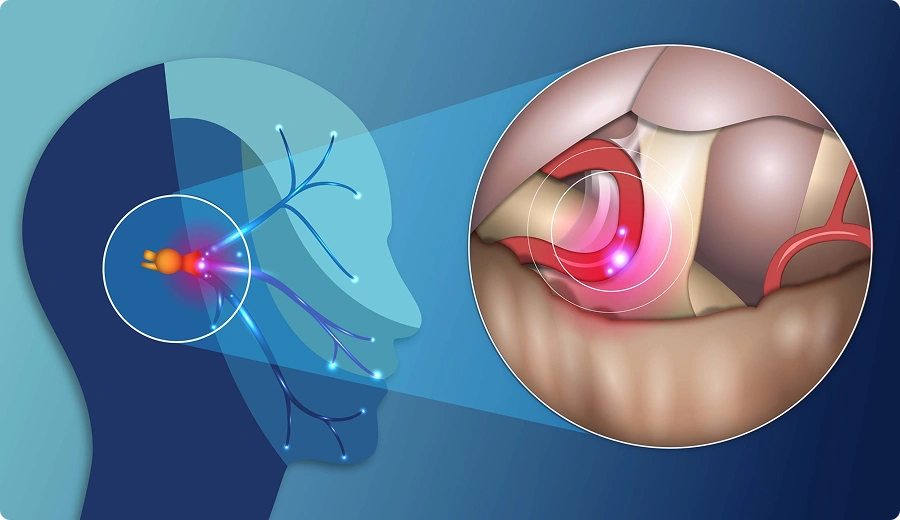
Trigeminal neuralgia is a chronic and often distressing neurological condition that affects the trigeminal nerve, which carries sensory information from the face to the brain. It is marked by sudden, severe, shock-like or stabbing facial pain that can last from a few seconds to several minutes. These episodes may occur unpredictably, making even simple daily activities like eating, talking, or brushing teeth difficult. For many patients, the emotional toll of this condition is as challenging as the physical pain.
The primary cause is often nerve compression, usually by a blood vessel, but it can also stem from tumors, structural abnormalities, or neurological conditions such as multiple sclerosis. Because symptoms often overlap with dental or sinus issues, early and accurate diagnosis is crucial to prevent delays in treatment. A comprehensive neurological evaluation, detailed medical history, and advanced imaging tests are used to pinpoint the root cause.
Our Approach to Treatment
We provide personalized treatment strategies that focus on reducing pain, preventing flare-ups, and improving quality of life. Treatment options include:
- Medication Management: Anticonvulsants and other nerve-calming drugs to control pain signals.
- Advanced Procedures: Nerve blocks, radiofrequency ablation, or microvascular decompression for patients unresponsive to medication.
- Minimally Invasive Surgery: Techniques aimed at relieving pressure on the trigeminal nerve with reduced recovery time.
- Supportive Therapies: Stress reduction, lifestyle adjustments, and physiotherapy to help manage daily challenges.
Patient-Centered Care
Beyond medical treatments, we work closely with patients to identify individual pain triggers and reduce flare-ups. Triggers often include:
- Cold air or wind exposure
- Chewing and facial movements
- Stress and lack of sleep
- Certain foods or drinks
By creating a tailored management plan, we help patients maintain stability, regain independence, and build emotional resilience. Education and ongoing guidance are central to our approach, ensuring patients and families feel supported at every stage of care.
With the right combination of therapies, individuals living with trigeminal neuralgia can experience significant relief, restored confidence, and improved daily functioning. Our mission is to help every patient live more comfortably, free from the constant fear of pain.

Restless Leg Syndrome
Restless Leg Syndrome (RLS), also called Willis-Ekbom disease, is a neurological condition that creates an uncontrollable urge to move the legs. Often accompanied by sensations like tingling, creeping, or pulling, these symptoms typically worsen at night or during rest, interfering with sleep and daily energy levels. Left untreated, RLS can lead to fatigue, irritability, and reduced productivity, affecting both physical and emotional well-being.
Causes of RLS
The exact cause varies from person to person, but common factors include:
- Iron deficiency or low iron levels in the brain
- Dopamine regulation issues, affecting nerve communication
- Chronic conditions like kidney disease, diabetes, or Parkinson’s
- Medication side effects or certain lifestyle habits
- Age-related factors, as RLS often becomes more severe with age
Diagnosis & Evaluation
Accurate diagnosis is key to effective treatment. This involves:
- Detailed medical history and physical examination
- Blood tests to check iron or other deficiencies
- Neurological assessments, if underlying conditions are suspected
Treatment Options
RLS treatment is highly personalized, focusing on both root causes and symptom management:
- Iron supplementation when deficiencies are present
- Medications to regulate dopamine or nerve signals
- Sleep therapies to restore healthy rest patterns
- Targeted therapies for patients with chronic disease links
Lifestyle Management
In addition to medical treatment, lifestyle changes can significantly reduce symptom severity:
- Maintain regular moderate exercise and stretching routines
- Follow a consistent sleep schedule to improve rest quality
- Limit caffeine, alcohol, and tobacco intake
- Use stress management techniques like yoga, meditation, or deep breathing
- Try home remedies such as warm baths, leg massages, heating pads, or cold packs for temporary relief
Our Approach
We focus on a holistic care plan that blends advanced medical treatment with practical daily strategies. By addressing the underlying cause and empowering patients with long-term self-care techniques, our goal is to help individuals with RLS enjoy:
- Restful sleep
- Higher daily energy
- Improved comfort and mobility
- Better overall quality of life
Fibromyalgia
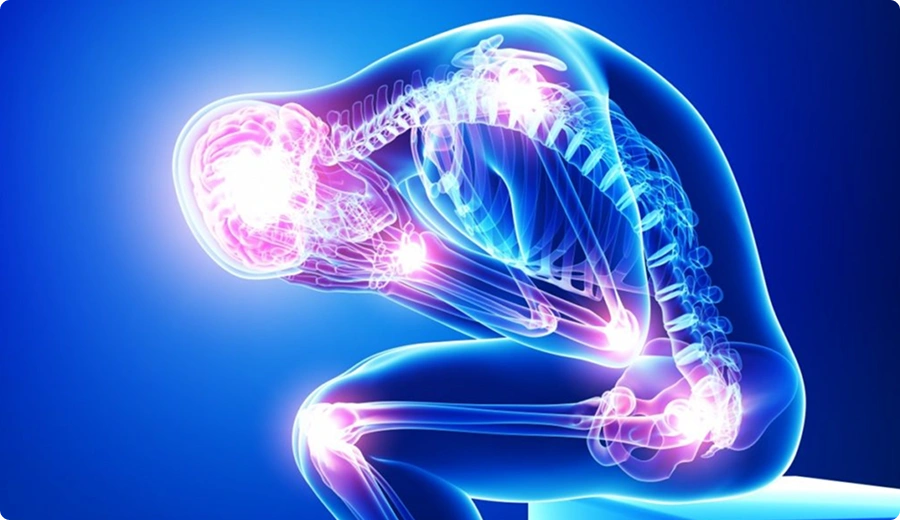
Fibromyalgia is a long-term condition that causes widespread musculoskeletal pain, persistent fatigue, and tenderness in specific areas of the body. The pain often shifts from one region to another and may feel like a deep ache that makes daily activities difficult.
The exact cause of fibromyalgia is not fully known, but research points to abnormal pain processing in the brain and spinal cord, which increases sensitivity to pain signals. Genetics, certain infections, or past physical and emotional trauma may also contribute to its onset. Since symptoms vary in severity and may flare up due to stress, illness, or overexertion, treatment requires a personalized and holistic approach.
Our Approach to Fibromyalgia Care
We focus on reducing symptoms, improving physical function, and enhancing overall quality of life. Our care combines medical expertise with supportive therapies designed to address both body and mind.
Treatment Highlights:
- Medications: Tailored prescriptions to ease pain, improve sleep, and manage fatigue.
- Physical Therapy: Techniques to maintain flexibility, reduce muscle stiffness, and improve mobility.
- Gentle Exercise: Activities such as swimming, stretching, and walking to build endurance without overstraining the body.
- Stress Management: Mindfulness meditation, breathing exercises, and yoga to prevent flare-ups.
- Lifestyle Modifications: A balanced diet, consistent sleep routine, and activity pacing to manage energy levels.
Emotional and Psychological Support
Because fibromyalgia affects emotional well-being as much as physical health, our care includes psychological support and counseling. This helps patients cope with the frustration of chronic pain and manage stress, which often worsens symptoms.
Patient Education & Empowerment
We believe that education is central to effective management. Patients receive guidance on:
- Recognizing early signs of flare-ups.
- Avoiding known triggers.
- Building self-care habits that promote long-term stability.
With the right combination of medical treatment, self-care strategies, and ongoing support, individuals with fibromyalgia can regain control, reduce symptom intensity, and lead a more fulfilling, active lifestyle.