

Hysteroscopic polypectomy
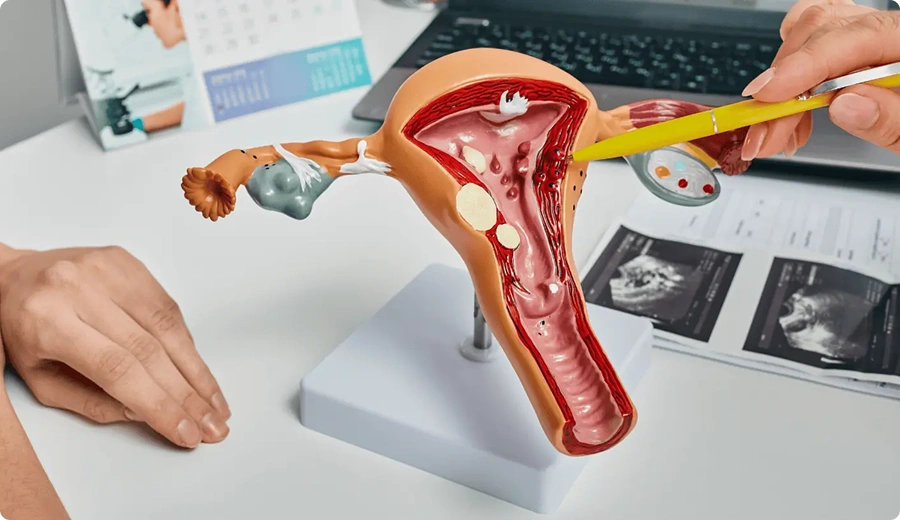
Hysteroscopic polypectomy
Hysteroscopic polypectomy is a safe and effective minimally invasive procedure aimed at removing polyps from the uterine lining (endometrium). Uterine polyps are small, soft growths that can cause heavy menstrual bleeding, irregular cycles, infertility, or recurrent pregnancy loss. Removing these polyps not only alleviates symptoms but also restores normal uterine function, supporting reproductive health and overall well-being.
- Heavy or irregular menstrual bleeding
- Infertility or repeated implantation failure
- Recurrent miscarriages linked to intrauterine abnormalities
- Suspected endometrial polyps identified on imaging or hysteroscopy
Indications for the Procedure
Hysteroscopic polypectomy is recommended for women experiencing:
- A thin, lighted hysteroscope is inserted through the vagina and cervix into the uterine cavity.
- Direct visualization enables precise removal of polyps while preserving surrounding tissue.
- No external incisions are required, minimizing trauma and postoperative complications.
- The procedure is often performed on an outpatient basis, with general anesthesia sometimes optional depending on patient comfort and polyp size.
Procedure Details
- Minimally invasive with minimal pain and faster recovery.
- Most patients return home the same day and resume normal activities within 1–2 days.
- Preserves uterine integrity, crucial for fertility.
- Reduces the risk of recurrence and long-term complications.
- Improves fertility outcomes by creating a favorable environment for embryo implantation.
Advantages of Hysteroscopic Polypectomy
- Mild cramping or spotting may occur for a short duration.
- Patients are advised to maintain routine hygiene, avoid heavy exertion, and follow medical instructions.
- Follow-up visits ensure complete healing and assessment of uterine cavity.
Postoperative Care and Recovery
Our Approach
At our center, the gynecology team employs advanced hysteroscopic techniques to ensure precision and patient safety. Each procedure is tailored to individual needs, balancing symptom relief with fertility preservation. Through careful evaluation and intervention, patients benefit from rapid recovery, improved reproductive outcomes, and enhanced quality of life.
Hysteroscopic polypectomy is an essential procedure for women facing menstrual disturbances or infertility due to uterine polyps. Early diagnosis and timely treatment can prevent recurrence, reduce complications, and significantly enhance reproductive wellness, providing women with effective relief and long-term benefits.

Heavy menstrual bleeding
-

Severe debilitating dysmenorrhea
-
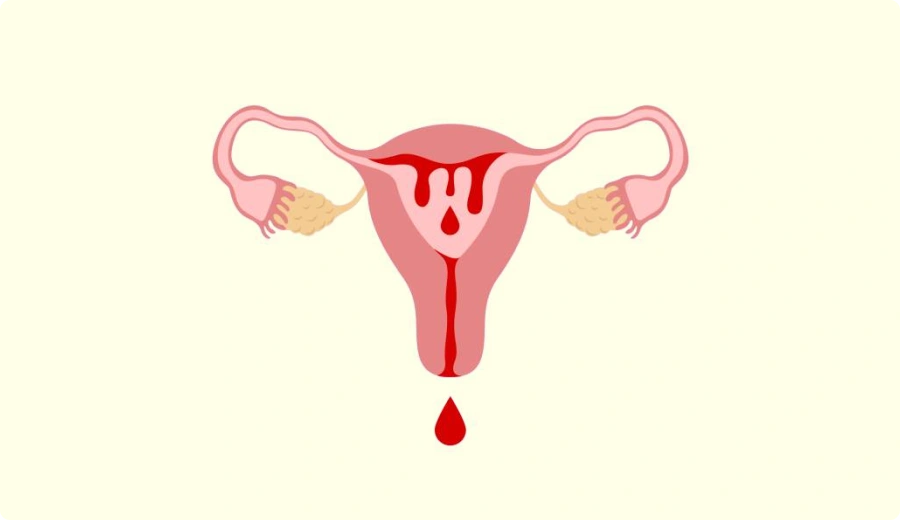
Intermenstrual bleeding
-
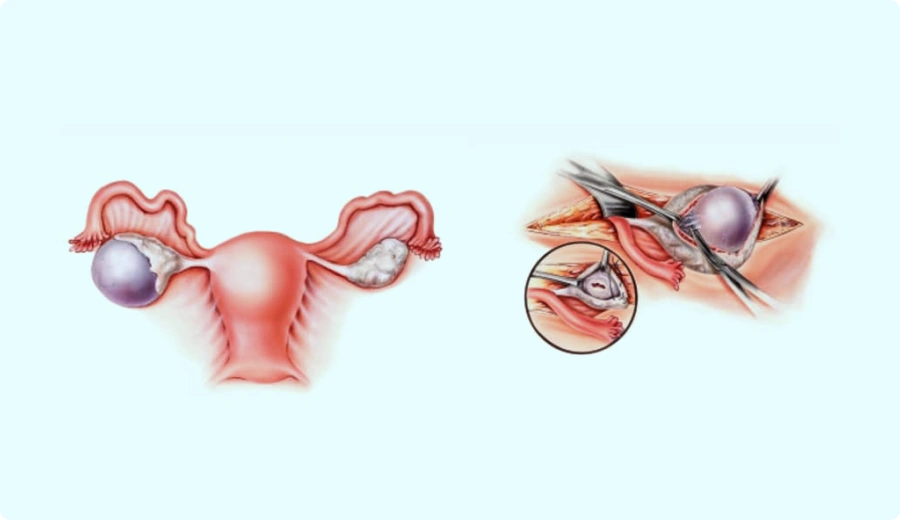
Ovarian cysts for laparoscopy
-
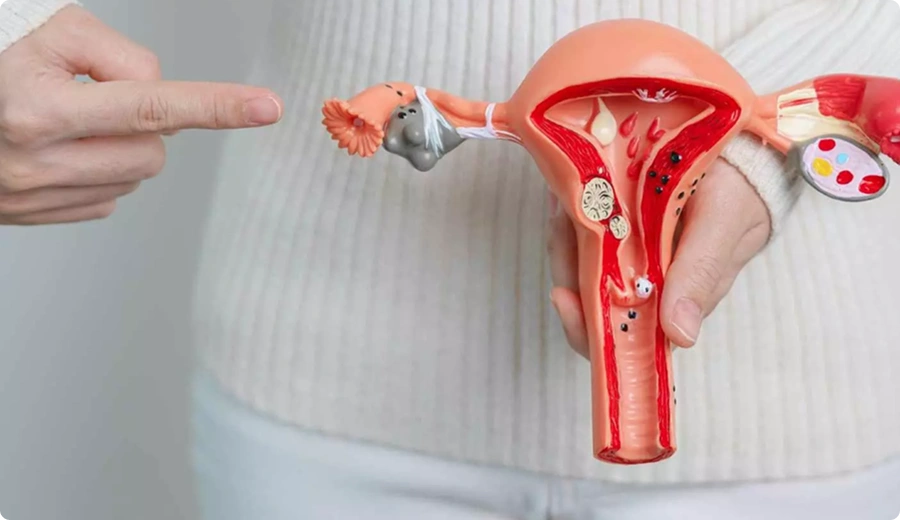
Fibroids or adenomyoma
-
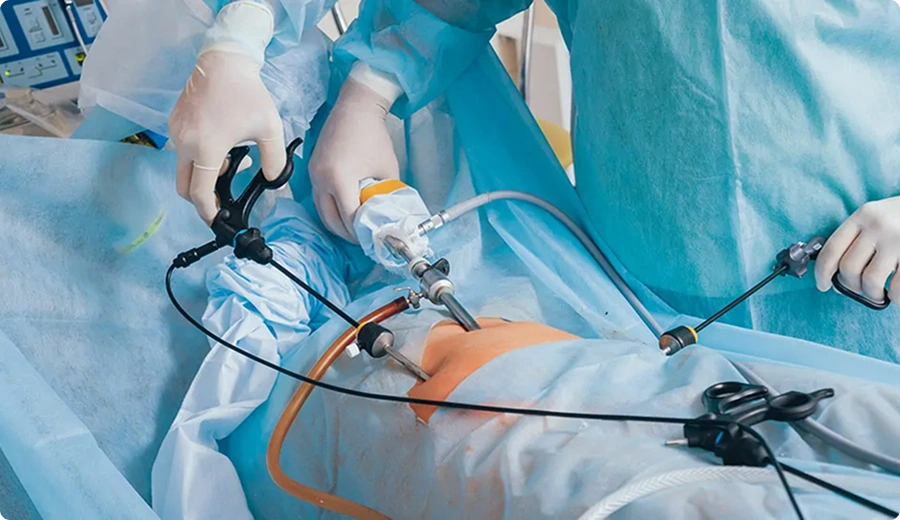
Diagnostic hysterolaparoscopy for infertility
-
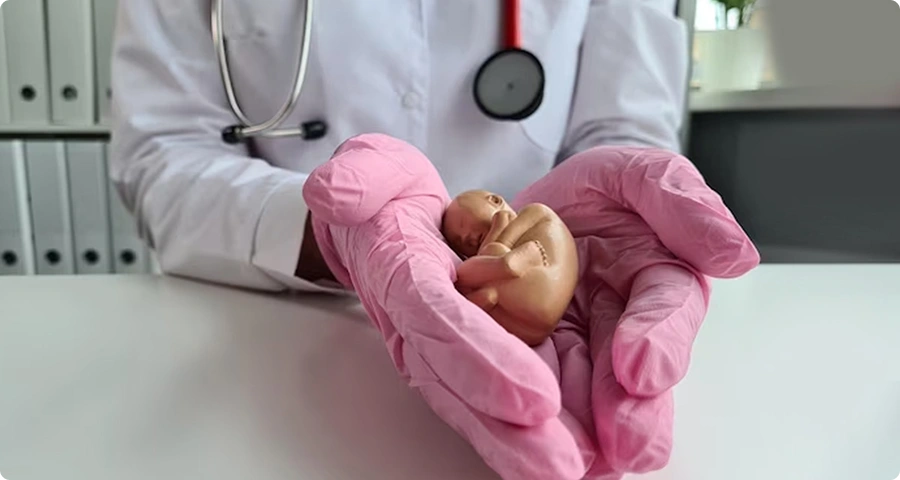
Congenital abnormalities
-

Laparoscopic ovarian drilling
-
Hysteroscopic polypectomy
-
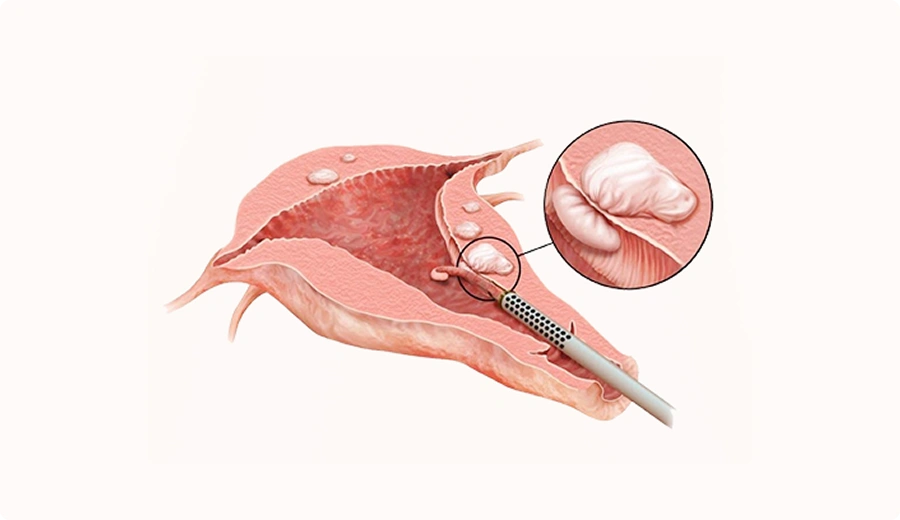
Hysteroscopic resection of myoma
-
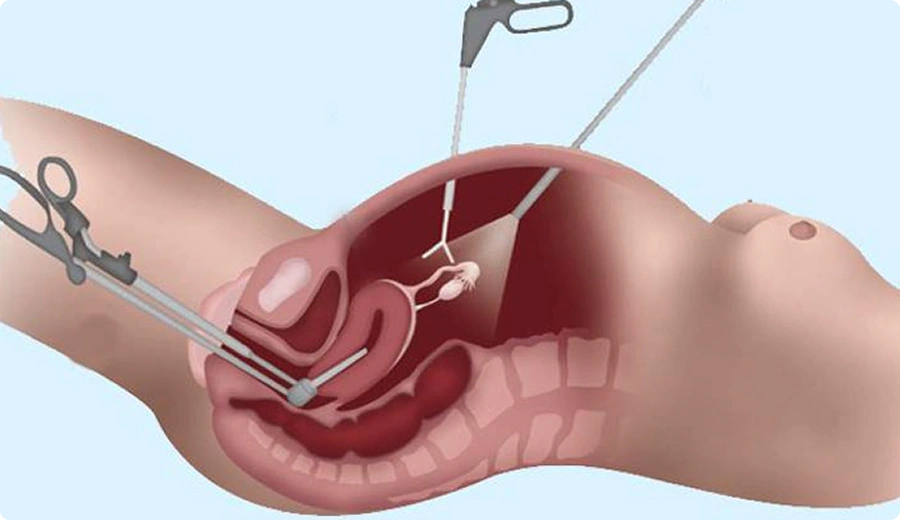
Total laparoscopic hysterectomy
-
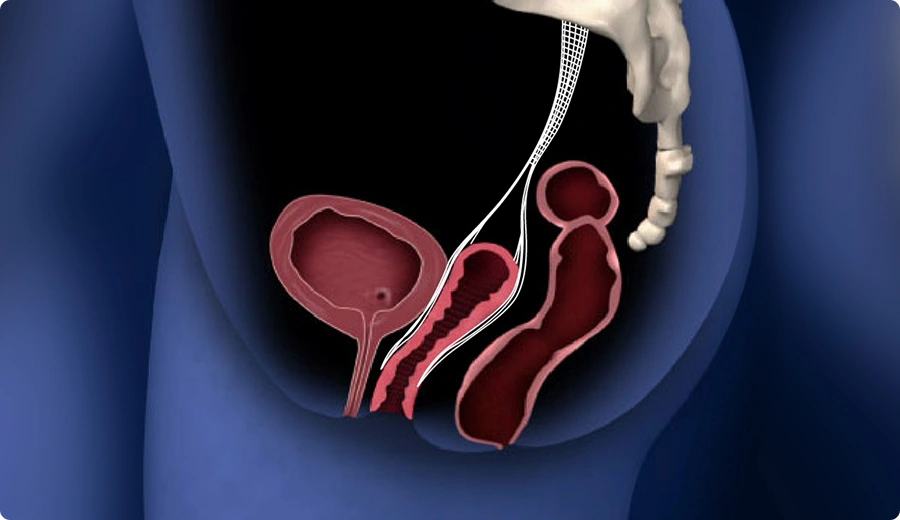
Laparoscopic sacrocolpopexy for prolapse
-
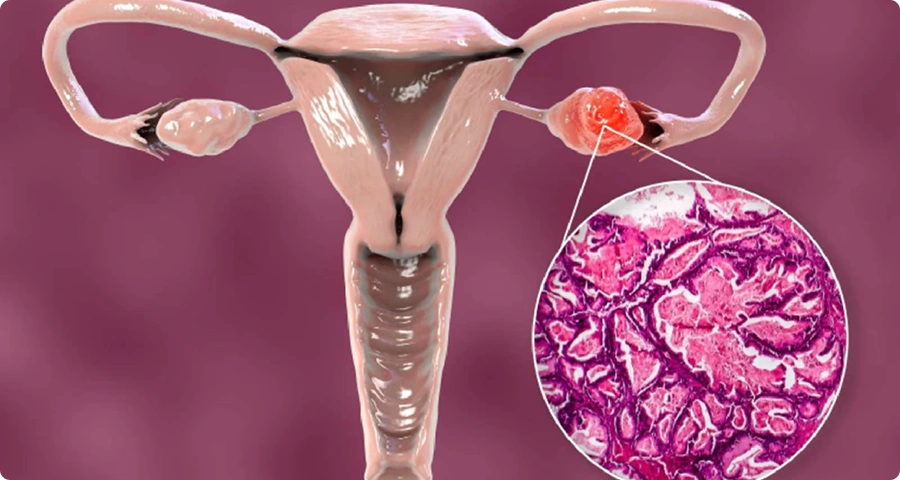
Laparotomy for ovarian ca-staging
-
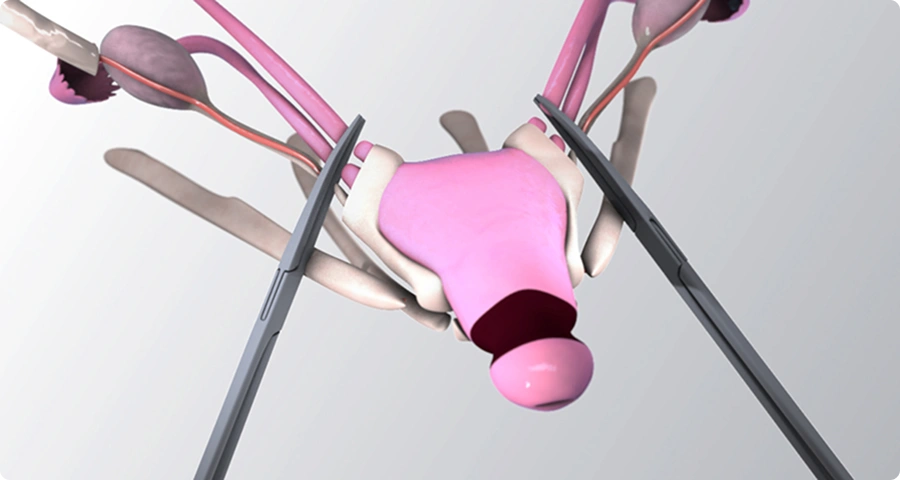
Vaginal hysterectomy
-

Male factor infertility
-

Unexplained infertility
-

Female infertility