

Hysteroscopic Resection of Myoma
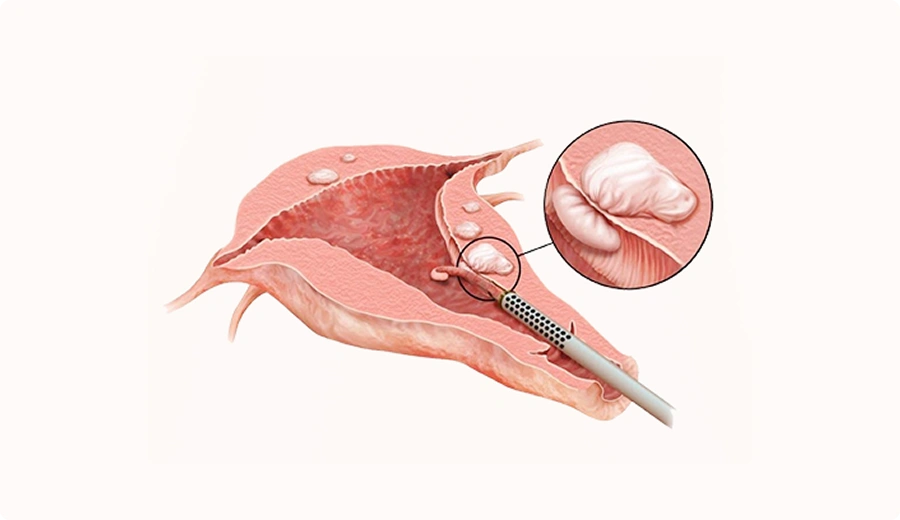
Hysteroscopic Resection of Myoma
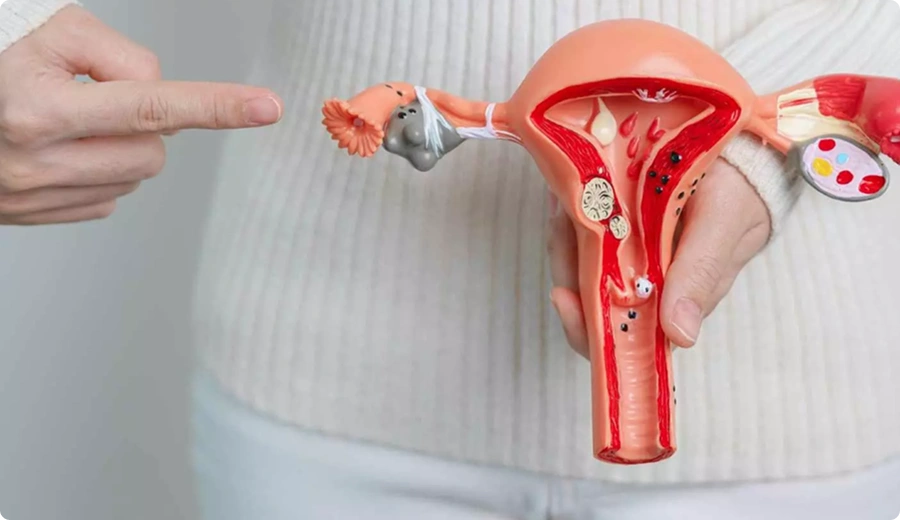
Hysteroscopic resection of myoma is a safe, effective, and minimally invasive procedure aimed at removing submucosal fibroids (myomas) from the uterine cavity. Fibroids are non-cancerous growths that may develop inside the uterus, often causing heavy menstrual bleeding, pelvic pain, infertility, or recurrent pregnancy loss. Submucosal fibroids, in particular, can protrude into the uterine cavity, significantly impacting reproductive health and overall quality of life.
- Heavy or prolonged menstrual bleeding unresponsive to medication
- Irregular menstrual cycles affecting daily life
- Infertility or difficulty conceiving due to cavity distortion
- Recurrent pregnancy loss linked to fibroids
- Fibroids identified on ultrasound, hysteroscopy, or MRI that are causing structural or symptomatic issues
Indications for Hysteroscopic Myoma Resection
The procedure is generally recommended for women experiencing:
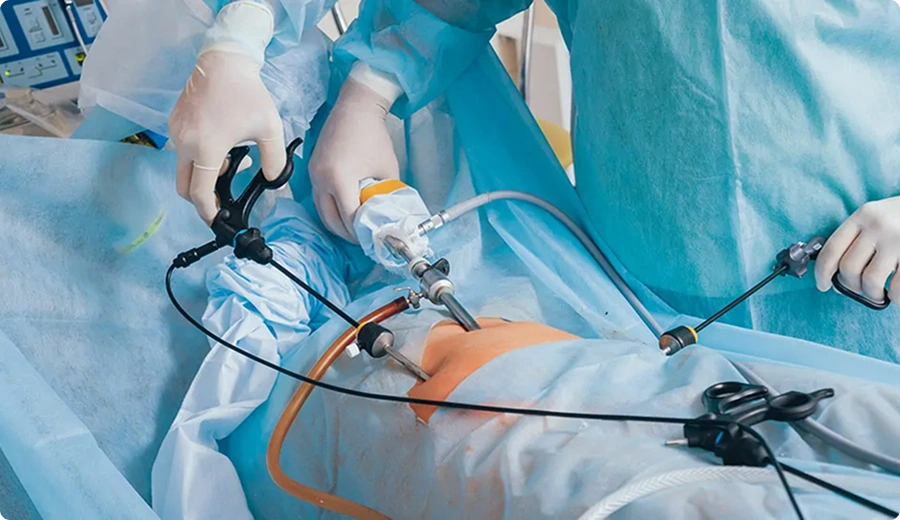
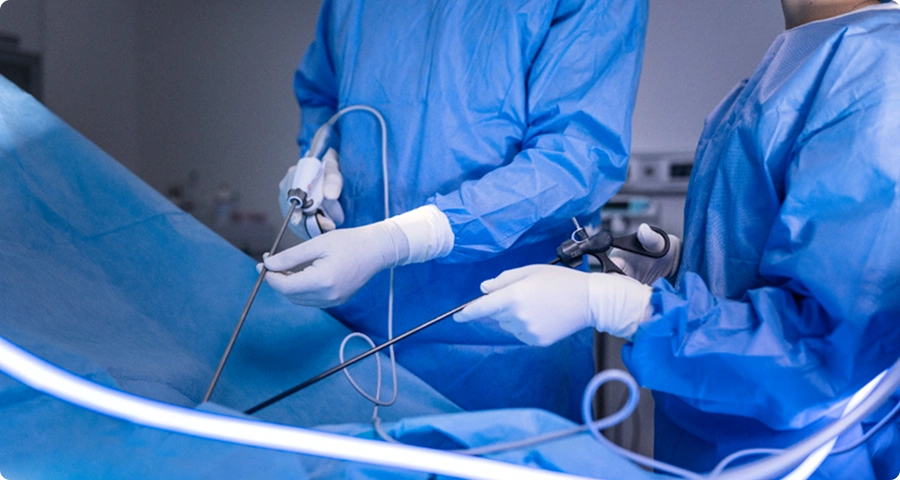
- A hysteroscope, a thin, lighted instrument, is inserted through the vagina and cervix into the uterus.
- Direct visualization allows precise removal of submucosal fibroids without any abdominal incisions.
- The uterus is preserved, making the procedure fertility-friendly.
- The technique ensures minimal disruption to surrounding tissues and reduces the risk of complications compared to open surgery.
Procedure Details
- Minimally invasive with no abdominal scars
- Short recovery period, often allowing return to normal activities within a few days
- Lower risk of complications, such as infection or excessive bleeding
- Day-care procedure, enabling patients to go home the same day
- Improved reproductive outcomes by restoring normal uterine cavity shape
- Symptom relief, including reduced menstrual bleeding and pelvic discomfort
Advantages of Hysteroscopic Resection
- Mild cramping or spotting may occur briefly after the procedure.
- Patients are advised to follow postoperative instructions and attend follow-up assessments to monitor healing and uterine restoration.
- Fertility planning can usually resume after the uterine lining has healed, as guided by the treating gynecologist.
Postoperative Care and Recovery
Hysteroscopic resection of myoma is a modern, patient-friendly approach for managing submucosal fibroids. By combining precision, minimal invasiveness, and fertility preservation, the procedure offers effective symptom relief, faster recovery, and improved reproductive potential. Early consultation and timely intervention by an experienced gynecology team ensure optimal outcomes, helping women regain their quality of life while pursuing their reproductive goals.
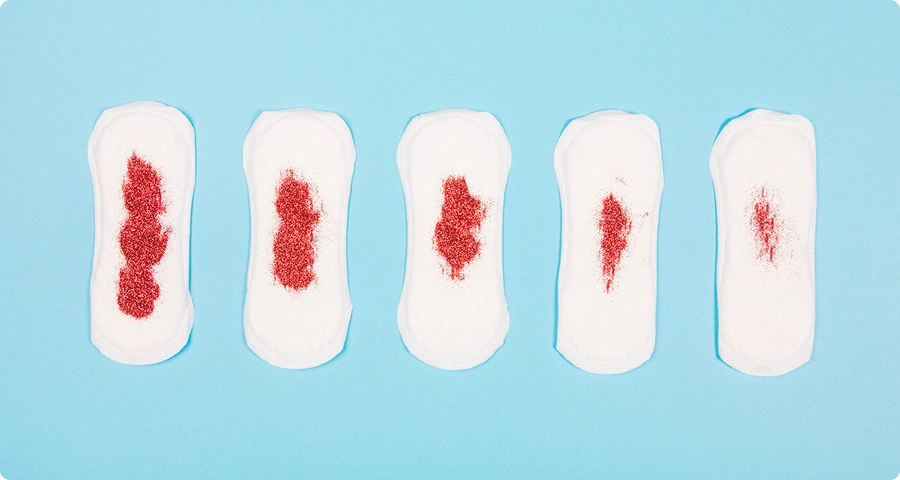
Heavy menstrual bleeding
-

Severe debilitating dysmenorrhea
-
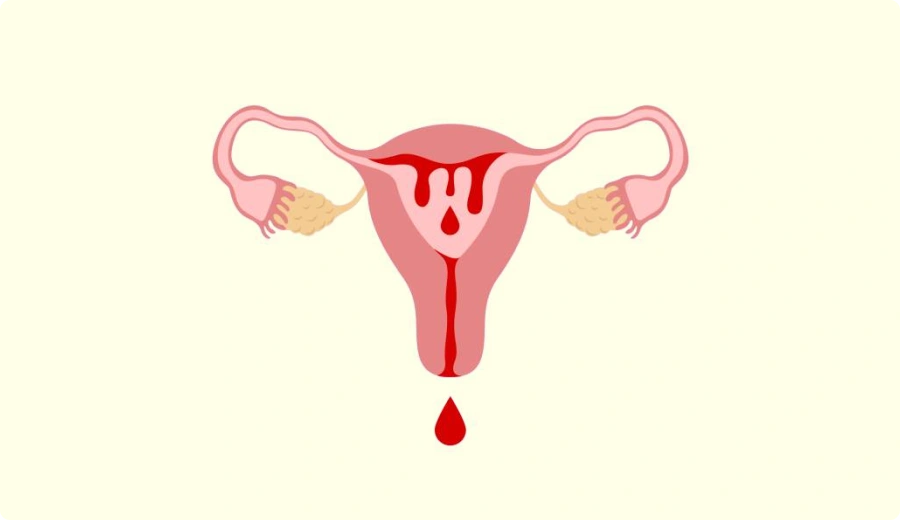
Intermenstrual bleeding
-
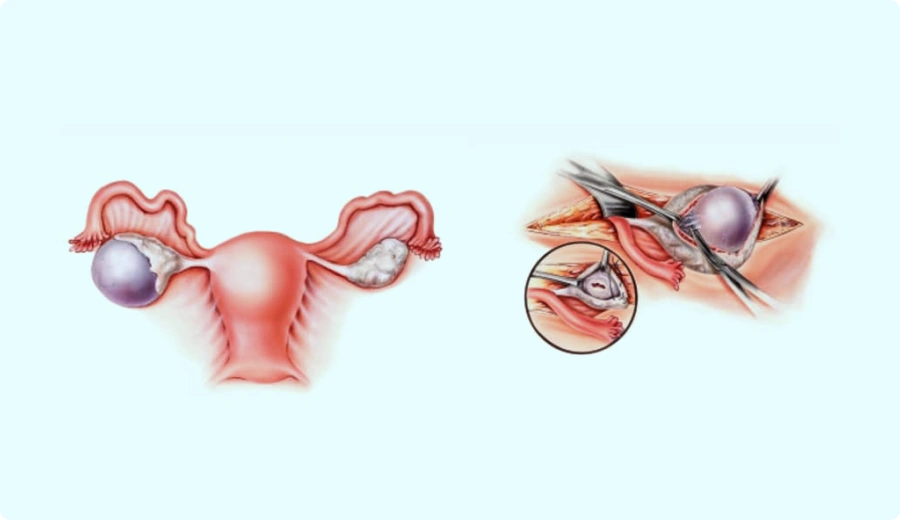
Ovarian cysts for laparoscopy
-
Fibroids or adenomyoma
-
Diagnostic hysterolaparoscopy for infertility
-
Congenital abnormalities
-
Laparoscopic ovarian drilling
-
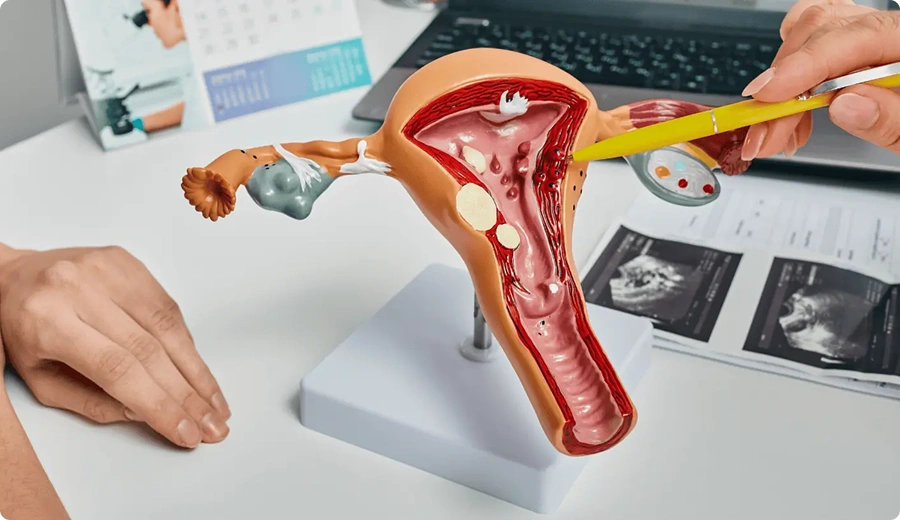
Hysteroscopic polypectomy
-
Hysteroscopic resection of myoma
-
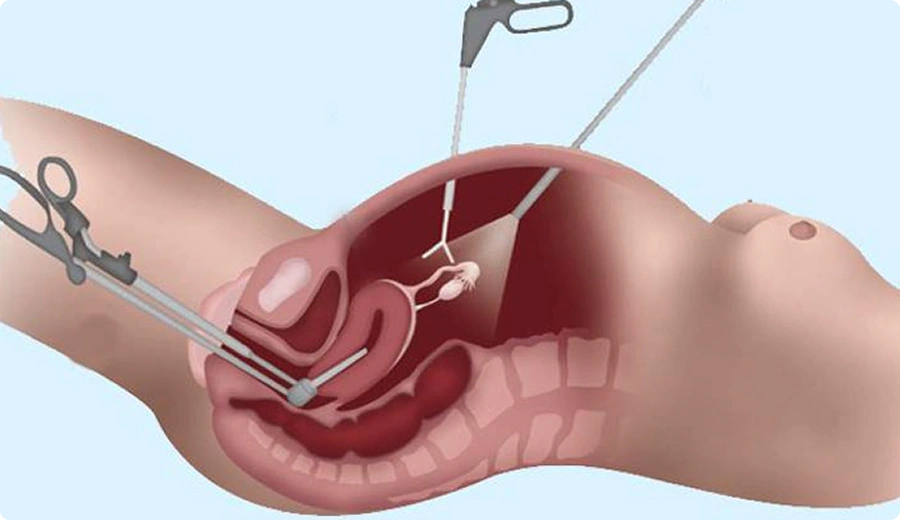
Total laparoscopic hysterectomy
-
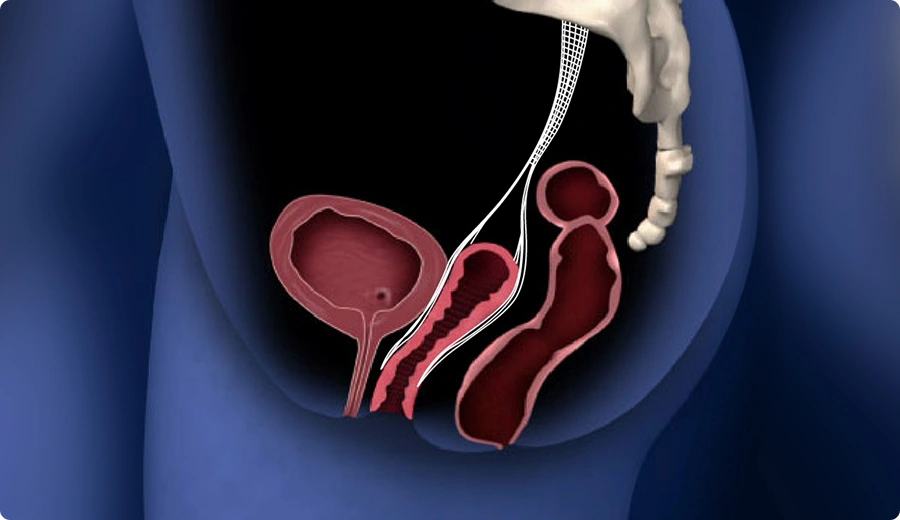
Laparoscopic sacrocolpopexy for prolapse
-
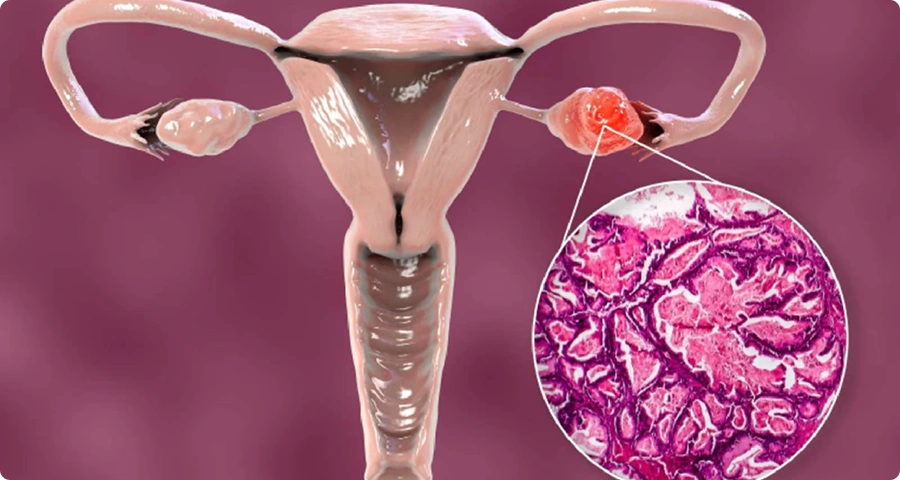
Laparotomy for ovarian ca-staging
-
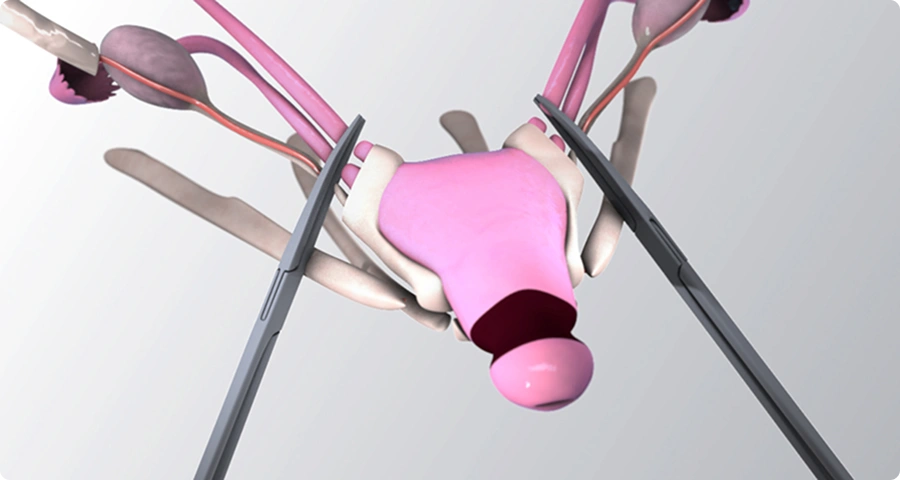
Vaginal hysterectomy
-

Male factor infertility
-

Unexplained infertility
-

Female infertility