

Male Factor Infertility

Male factor infertility: (erectile dysfunction, premature ejaculation, low libido, low sperm count, low motility, absent sperms)
Male factor infertility is a key contributor to challenges in conceiving, accounting for nearly 50% of infertility cases. It encompasses a wide range of conditions affecting male reproductive health and the ability to father a child. Understanding the underlying causes and pursuing timely evaluation is essential for effective management and improving fertility outcomes.
- Sperm abnormalities: Low count, poor motility, abnormal morphology, or absence of sperm (azoospermia)
- Hormonal imbalances: Low testosterone or other endocrine disorders
- Sexual dysfunction: Erectile dysfunction, premature ejaculation, or low libido
- Physical conditions: Varicoceles (enlarged veins in the scrotum), blockages in reproductive tract, infections, or structural anomalies
- Lifestyle and environmental factors: Smoking, excessive alcohol, obesity, high stress, and heat exposure to the testes
Common Causes of Male Infertility
Several factors can contribute to male infertility, including:
- Detailed medical and reproductive history
- Physical examination to detect structural or hormonal issues
- Semen analysis to assess sperm count, motility, and morphology
- Additional tests, if needed, such as hormonal profiling, genetic testing, and imaging studies to identify underlying problems
Diagnosis
Accurate diagnosis is the first step in treating male infertility. Evaluation typically involves:
- Lifestyle modifications: Maintaining healthy weight, quitting smoking, limiting alcohol, managing stress, and avoiding testicular overheating
- Medical therapies: Antibiotics for infections, hormone treatments for imbalances
- Surgical interventions: Correction of varicoceles, removal of blockages, or reconstruction of reproductive tract
- Assisted reproductive technologies (ART): Intrauterine insemination (IUI) or intracytoplasmic sperm injection (ICSI) for cases where natural conception is difficult
Treatment Options
Management depends on the specific cause and severity:
Emotional and Psychological Support
Male infertility often carries a significant emotional impact, affecting self-esteem, intimacy, and relationships. Counseling and emotional support are vital to help men and couples navigate stress, make informed decisions, and maintain healthy relationships throughout treatment.
- Thorough evaluation using advanced diagnostic tools
- Personalized treatment plans targeting the root cause
- Integration of medical, surgical, and assisted reproductive techniques
- Ongoing counseling and support to address emotional well-being
Our Approach
Our team follows a comprehensive, patient-centered approach:
Early recognition, timely intervention, and lifestyle management significantly improve the chances of conception and overall reproductive health. By addressing male factor infertility holistically, our goal is to empower men and couples to achieve their dream of parenthood while maintaining physical.

Heavy menstrual bleeding
-

Severe debilitating dysmenorrhea
-
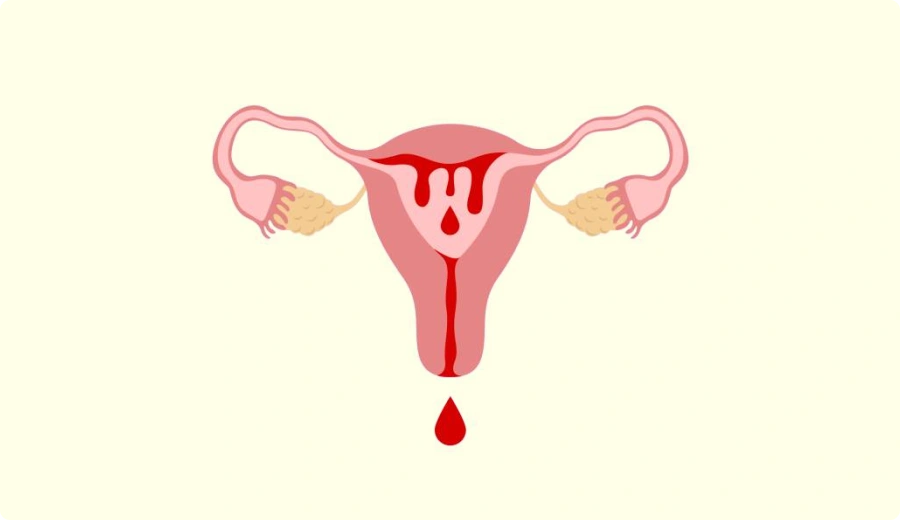
Intermenstrual bleeding
-
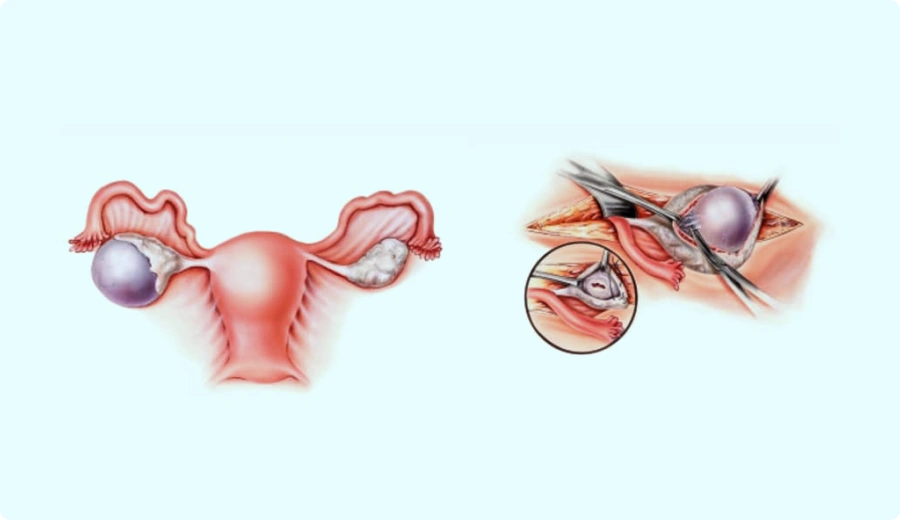
Ovarian cysts for laparoscopy
-
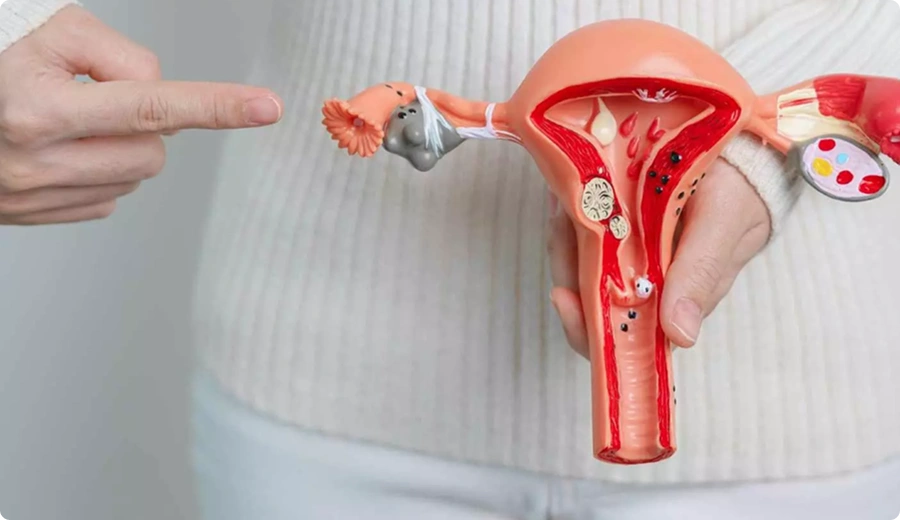
Fibroids or adenomyoma
-
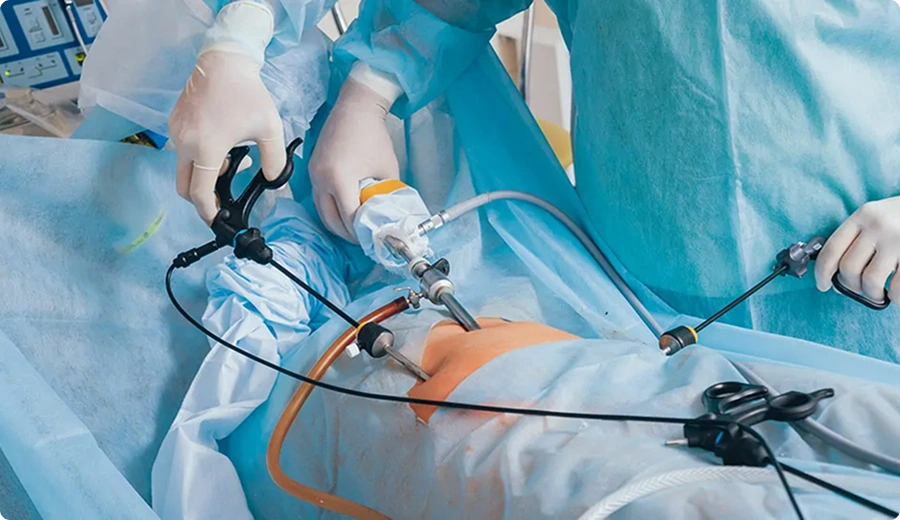
Diagnostic hysterolaparoscopy for infertility
-
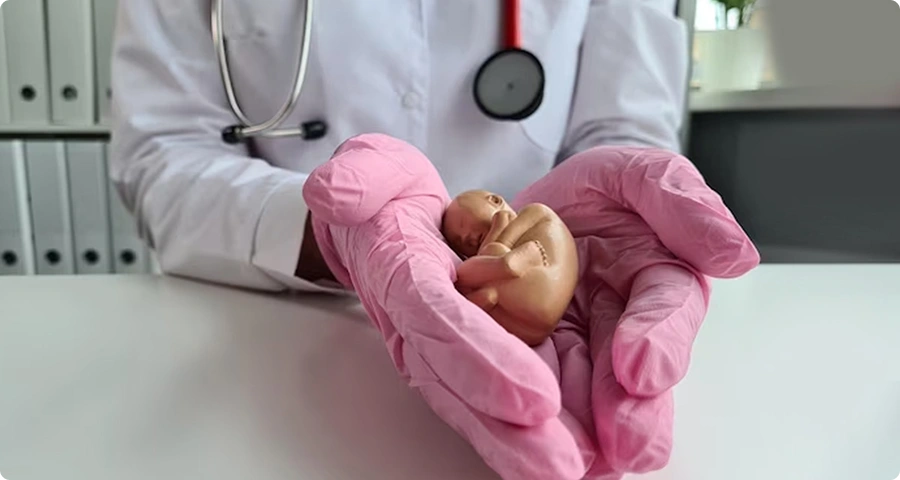
Congenital abnormalities
-
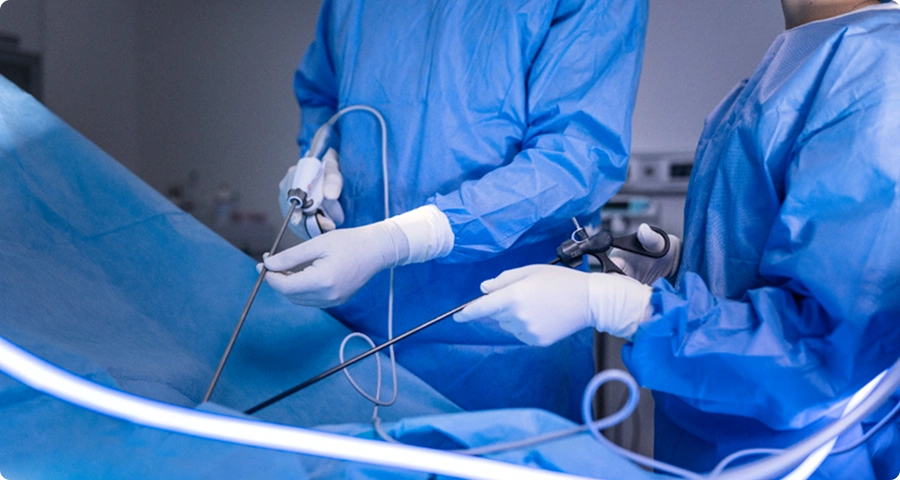
Laparoscopic ovarian drilling
-
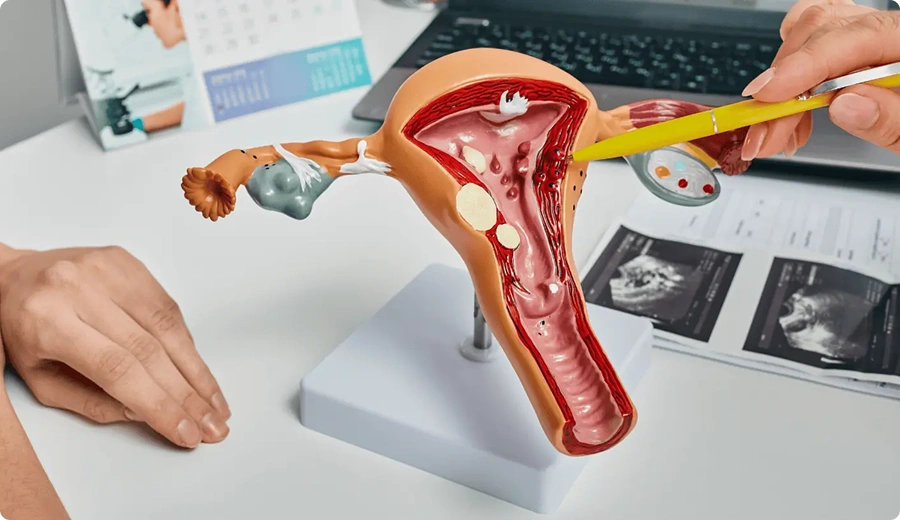
Hysteroscopic polypectomy
-
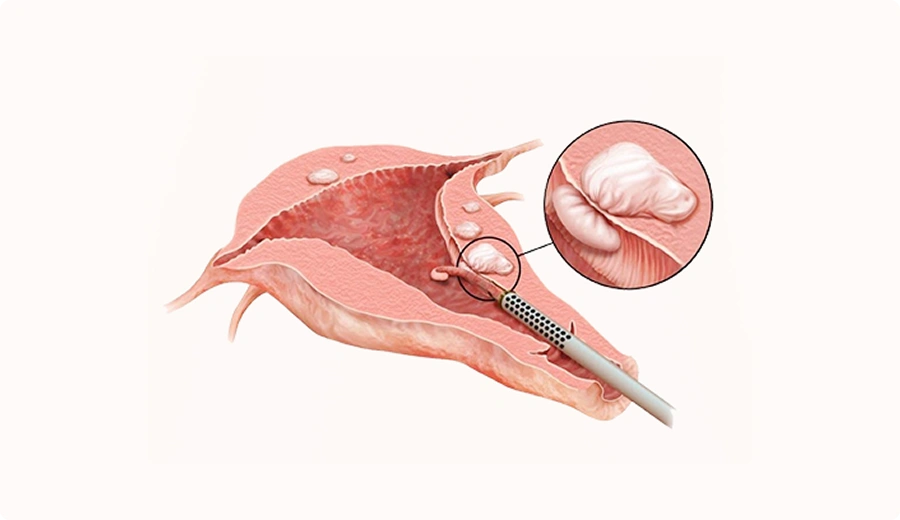
Hysteroscopic resection of myoma
-
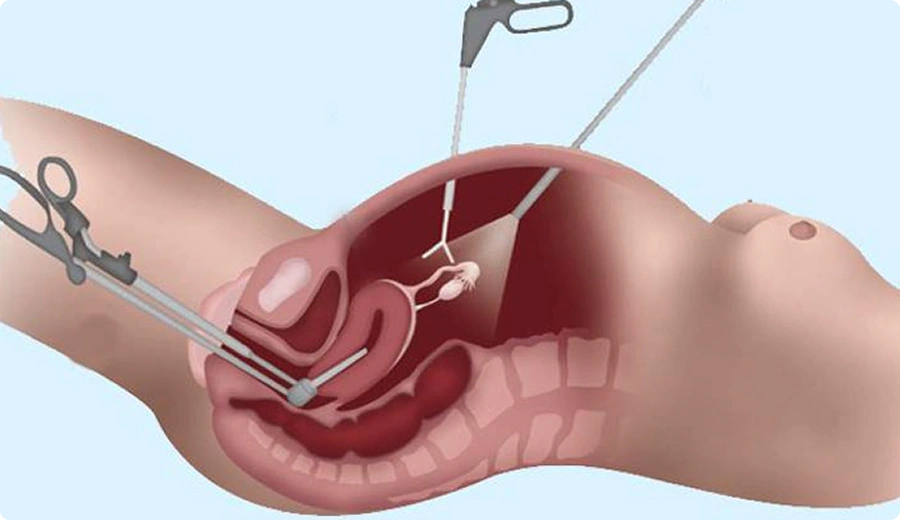
Total laparoscopic hysterectomy
-
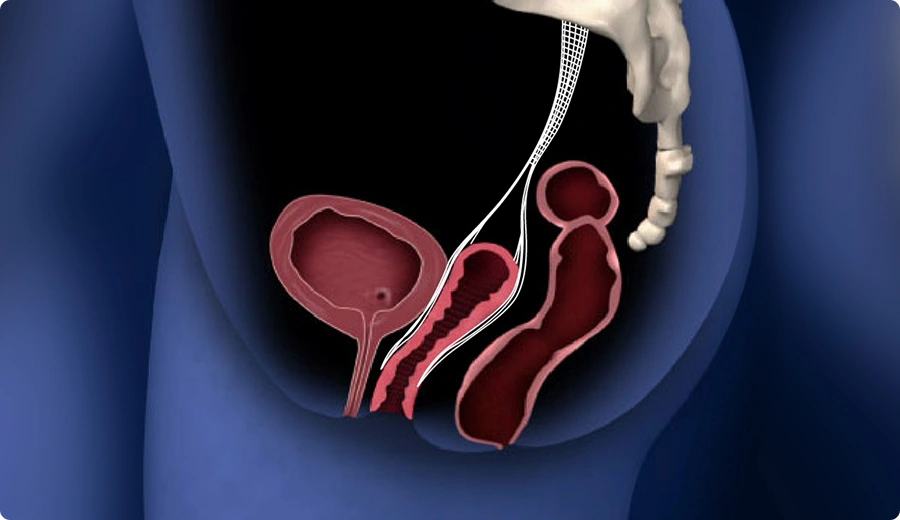
Laparoscopic sacrocolpopexy for prolapse
-
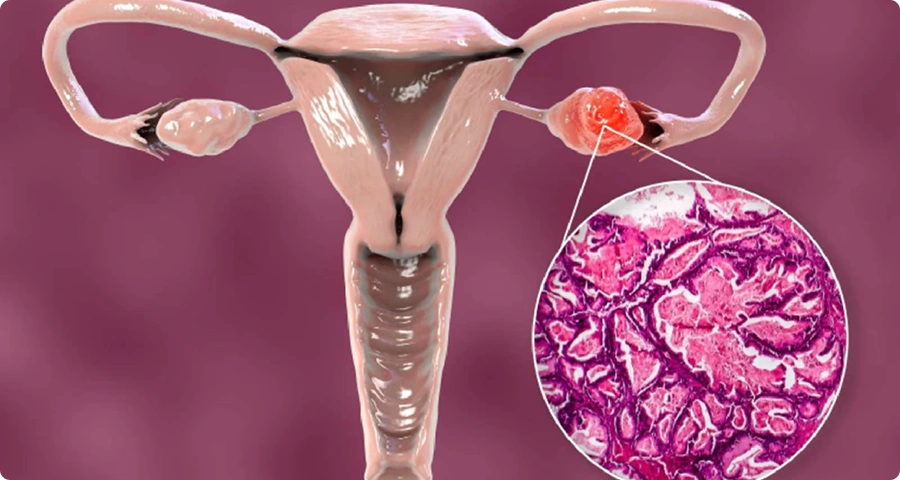
Laparotomy for ovarian ca-staging
-
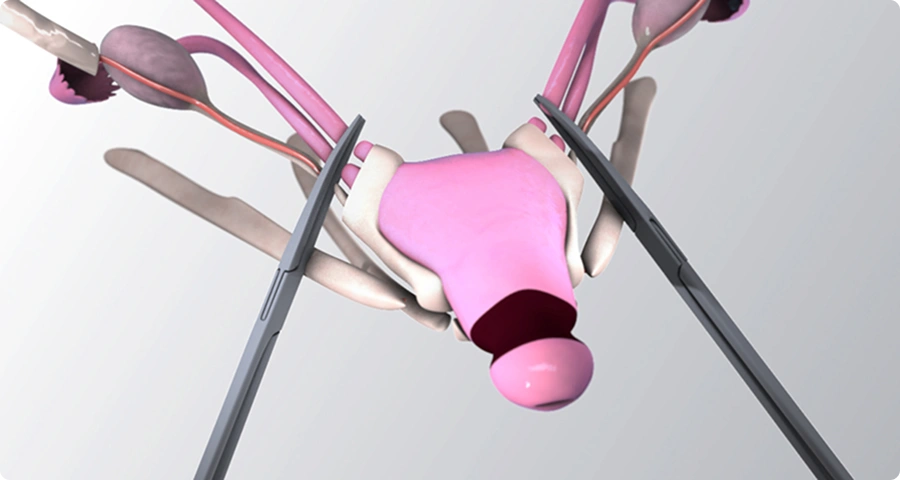
Vaginal hysterectomy
-
Male factor infertility
-

Unexplained infertility
-

Female infertility