

Specialized Neurology & Pediatric Care
Specialized Neurology & Pediatric Care
Advanced Expertise
Care for rare neurological disorders, congenital conditions, and developmental delays needing specialized attention.
Age-Specific Diagnosis
Evaluations are tailored separately for adults and children to ensure precision and comfort.
Personalized Treatment
Plans integrate medication, rehabilitation, and supportive therapies based on age and overall health.
Child-Friendly Approach
Pediatric care emphasizes gentle, anxiety-reducing methods to enhance cooperation during treatment.
Family Support
Guidance and education are provided to help families manage conditions effectively at home.
Early Intervention
Focus on timely diagnosis and treatment to prevent progression and optimize recovery.
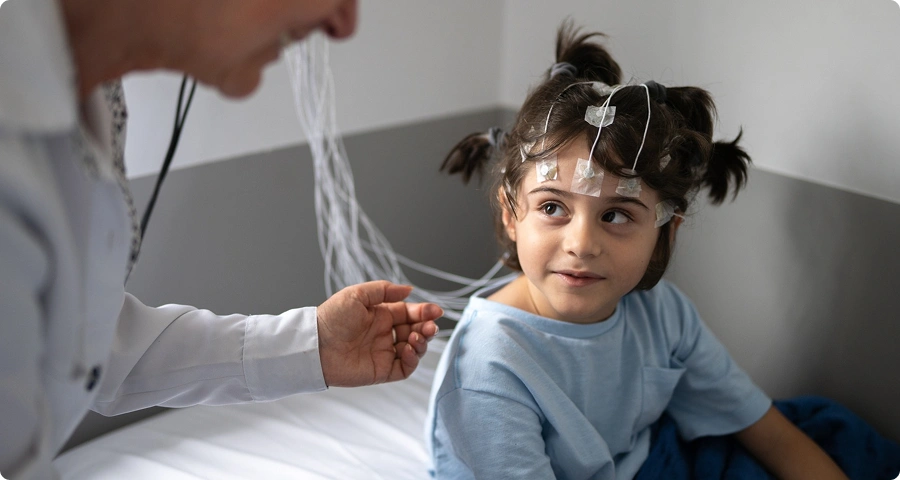
Pediatric Neurology
Pediatric neurology is a highly specialized field dedicated to diagnosing, treating, and managing neurological disorders in children. Since a child’s brain and nervous system are still developing, early intervention plays a vital role in ensuring healthy growth and preventing long-term complications. This branch of care addresses a wide range of conditions, from epilepsy and cerebral palsy to developmental delays, neuromuscular disorders, and genetic conditions. The focus is not only on treatment but also on providing compassionate, family-centered support to enhance quality of life.
Key Areas of Pediatric Neurology
1. Comprehensive Diagnosis
- Child-friendly diagnostic tools such as EEGs, MRIs, and neurodevelopmental assessments help identify seizures, structural issues, or developmental concerns with precision. These tests are adapted for young patients to ensure comfort and accuracy.
2. Individualized Treatment Plans
- Every child’s needs are unique. Treatment often includes medications for symptom control, therapies to enhance motor or cognitive skills, and supportive care for long-term neurological health.
3. Rehabilitation & Therapies
- Physical therapy improves strength and mobility, occupational therapy helps with daily activities, and speech therapy supports communication skills. Together, these interventions promote independence and overall development.
4. Family & Educational Support
- Guidance for families is a vital component of pediatric neurology. Specialists work closely with parents, caregivers, and schools to ensure children receive the right environment and resources for growth.
5. Focus on Early Intervention
- Prompt detection and timely management prevent complications and create better long-term outcomes, ensuring children achieve their developmental milestones more effectively.
Why It Matters
The ultimate goal of pediatric neurology is to help children overcome neurological challenges while living fulfilling and independent lives. Through ongoing monitoring, collaborative care, and emotional support, pediatric neurologists work hand in hand with families to nurture each child’s potential. This holistic approach not only manages immediate health needs but also lays the foundation for long-term well-being and improved quality of life.
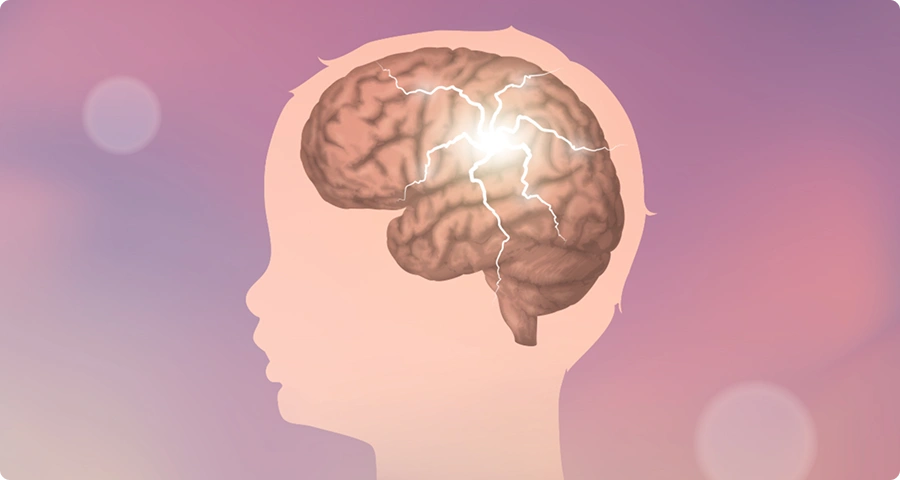
Paediatric Epilepsy
Paediatric epilepsy is a neurological condition where children experience recurrent seizures due to abnormal brain activity. Seizures may arise from genetic factors, birth complications, infections, developmental issues, or head injuries. Their presentation can vary, from brief staring spells or muscle jerks to full-body convulsions. If not managed, these episodes may affect a child’s learning, behaviour, and quality of life. Early diagnosis and effective treatment are crucial to support long-term health and development.
Why Early Diagnosis Matters
Specialised paediatric neurologists use child-friendly diagnostic techniques to detect and evaluate epilepsy accurately:
- Electroencephalogram (EEG): Measures electrical activity in the brain.
- Magnetic Resonance Imaging (MRI): Helps identify structural causes.
- Genetic Testing: Detects hereditary or rare conditions contributing to seizures.
Accurate diagnosis ensures treatment plans are personalised for each child.
Treatment Options
Managing epilepsy requires a combination of approaches, tailored to each child’s unique needs:
- Anti-Epileptic Medications: First-line treatment to reduce or control seizures.
- Dietary Therapies: Ketogenic or modified Atkins diets may significantly lower seizure frequency.
- Surgical Interventions: Considered when seizures don’t respond to medicines.
- Supportive Therapies: Occupational, speech, and physical therapy to aid development and daily functioning.
Role of Parents and Caregivers
Education and awareness are key to epilepsy care. Families, teachers, and caregivers should be trained to:
- Recognise different seizure types.
- Ensure child safety during episodes.
- Provide immediate support in emergencies.
- Encourage a healthy lifestyle with adequate rest and avoidance of triggers.
Long-Term Outlook
With timely medical care, regular monitoring, and a supportive environment, many children achieve good seizure control. This allows them to attend school, participate in sports, and engage in social activities confidently. Ongoing family guidance and medical follow-ups further enhance outcomes, helping children lead fulfilling and active lives while achieving developmental milestones.
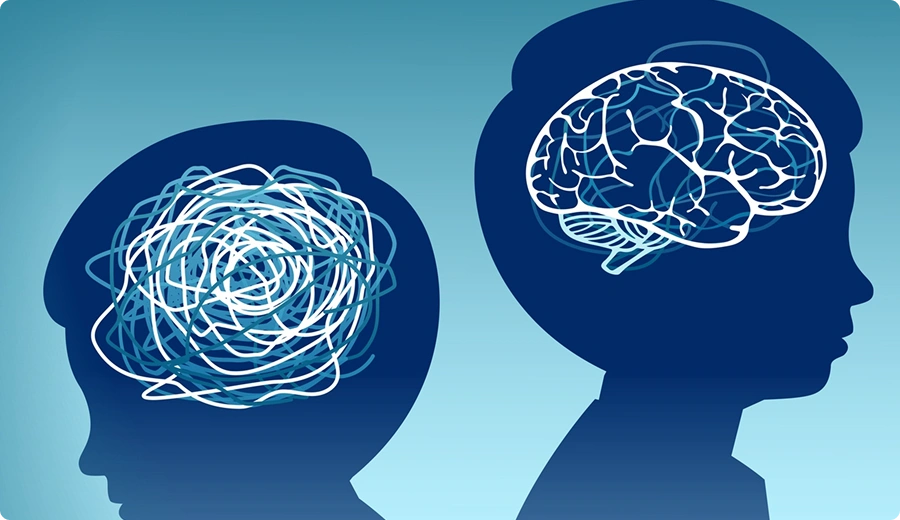
Attention-Deficit / Hyperactivity Disorder (ADHD)
Attention-Deficit/Hyperactivity Disorder (ADHD) is one of the most common neurodevelopmental conditions, often diagnosed in childhood but extending into adolescence and adulthood. It affects focus, impulse control, and activity levels, influencing academic, professional, and personal aspects of life. Children may struggle in classrooms, while adults can face challenges in work productivity, time management, and relationships. Despite these difficulties, ADHD is not a limitation of potential, it simply requires early identification and the right support.
Causes and Risk Factors
- Genetic Factors: A strong family history often plays a role in the likelihood of ADHD.
- Brain Differences: Variations in brain structure and chemical activity can influence attention and behavior regulation.
- Environmental Triggers: Exposure to toxins during pregnancy, premature birth, or early-life stressors may contribute.
- Not Parenting-Related: ADHD is not caused by poor discipline, laziness, or lack of motivation, and reducing this stigma is vital.
Symptoms of ADHD
- Difficulty sustaining focus or completing tasks
- Excessive talking and constant restlessness
- Forgetfulness and disorganization in daily activities
- Acting impulsively without considering outcomes
- Trouble following instructions and managing responsibilities
Diagnosis
A comprehensive evaluation is essential for accuracy. This may involve:
- Behavioral observations and assessments
- Interviews with parents, teachers, or caregivers
- Standardized questionnaires to compare symptoms across environments
Because ADHD symptoms can overlap with other conditions, proper diagnosis ensures effective treatment planning.
Treatment and Management
- Behavioral Therapy: Helps children and adults improve self-control, organization, and emotional regulation.
- Educational Support: Personalized strategies in classrooms to enhance learning.
- Medication (when required): Balances brain chemicals for improved focus and impulse control.
- Lifestyle Adjustments: Structured routines, physical activity, balanced nutrition, and adequate sleep support daily functioning.
Living with ADHD
Early intervention can significantly improve outcomes. With the right guidance, individuals with ADHD can harness their energy, develop effective coping strategies, and thrive. Many with ADHD are highly creative, resourceful, and capable of remarkable achievements when provided encouragement, understanding, and tools to channel their strengths.

Cerebral Palsy
Cerebral Palsy (CP) is a group of permanent but non-progressive disorders affecting movement, posture, and muscle coordination. It results from abnormal brain development or injury to the developing brain, often before, during, or soon after birth. While CP itself does not worsen over time, its symptoms, such as stiffness, involuntary movements, or difficulty with motor skills, can evolve as a child grows. With early detection and proper intervention, individuals with CP can lead more independent and fulfilling lives.
Common Causes of CP
- Prenatal factors: Infections during pregnancy or genetic issues.
- Birth complications: Reduced oxygen supply during delivery.
- Premature birth: Increased risk of brain underdevelopment.
- Early brain injury: Trauma, infections, or lack of blood supply in infancy.
Key Symptoms
- Muscle stiffness or spasticity
- Poor balance and coordination
- Difficulty with walking, posture, or motor skills
- Seizures or speech and swallowing difficulties (in some cases)
Diagnosis Methods
- Developmental monitoring and milestone tracking
- Neurological and physical examinations
- Brain imaging (MRI, CT scans) to detect abnormalities
- Medical history review for prenatal and birth-related risks
Treatment Approaches
Management of CP is highly individualized and multidisciplinary, aiming to improve quality of life rather than cure.
- Physical Therapy: Builds mobility, strength, and flexibility.
- Occupational Therapy: Supports independence in daily tasks.
- Speech & Language Therapy: Enhances communication and swallowing.
- Medications: Reduce muscle stiffness, spasms, or seizures.
- Surgical Options: Address severe muscle or bone abnormalities.
- Assistive Devices: Wheelchairs, braces, or adaptive equipment to boost mobility.
Long-Term Care & Support
- Multidisciplinary team approach for continuous progress
- Family counseling and caregiver education
- Use of adaptive technology to promote independence
- Encouraging participation in school, social, and work activities
- Focus on strengths and abilities rather than limitations
Living with CP
With early diagnosis, therapy, and ongoing support, children and adults with Cerebral Palsy can thrive, develop meaningful relationships, and actively contribute to their communities. The goal of care is not only medical improvement but also emotional well-being and long-term independence.
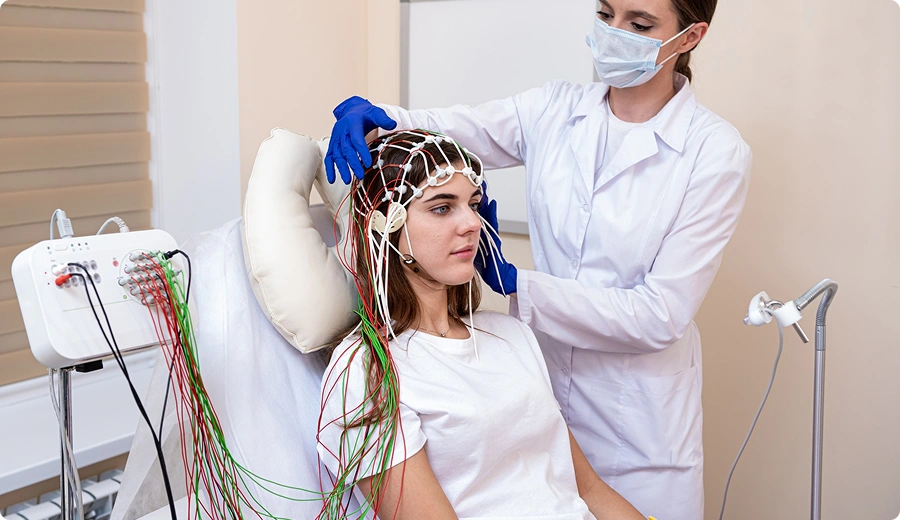
Women’s Neurology Services
Women’s neurology is a specialized field of care that recognizes how hormonal, genetic, and environmental factors influence neurological health across different life stages. From adolescence to post-menopause, women may experience unique symptoms and conditions requiring tailored treatment. This branch of neurology addresses a wide range of concerns, including migraines, epilepsy, multiple sclerosis, stroke, and neurological issues linked to pregnancy and postpartum health.
Key Influences on Women’s Neurological Health
- Hormonal Fluctuations: Changes during menstruation, pregnancy, and menopause often impact the frequency or severity of symptoms like migraines or seizures.
- Reproductive Considerations: Evaluating medication safety during pregnancy and breastfeeding ensures maternal and fetal well-being.
- Unique Risk Factors: Women may face heightened stroke risks due to conditions such as pregnancy-related hypertension or hormonal therapies.
- Symptom Variations: Differences in how disorders present between men and women can complicate diagnosis, emphasizing the need for specialized evaluation.
Common Conditions Managed in Women’s Neurology
- Migraines often linked to menstrual cycles or hormonal changes.
- Epilepsy with seizure patterns influenced by hormone fluctuations.
- Multiple Sclerosis which affects women more frequently than men.
- Stroke & Vascular Disorders with risks shaped by reproductive and hormonal health.
Benefits of Specialized Women’s Neurology Care
- Personalized Treatment Plans: Therapies are designed considering hormonal influences and life stages.
- Medication Safety Reviews: Especially important during pregnancy or breastfeeding.
- Preventive Care Strategies: Early assessment of risks like hypertension or preeclampsia.
- Holistic Approach: Addressing neurological health alongside emotional and lifestyle factors.
Women’s neurology often benefits from a multidisciplinary model, involving neurologists, obstetricians, endocrinologists, physical therapists, and mental health professionals. This collaborative care ensures comprehensive support that extends beyond symptom management.
Ultimately, the goal of women’s neurology services is to deliver compassionate, individualized care that empowers women to manage their neurological health proactively, maintain independence, and enhance quality of life at every stage of life.
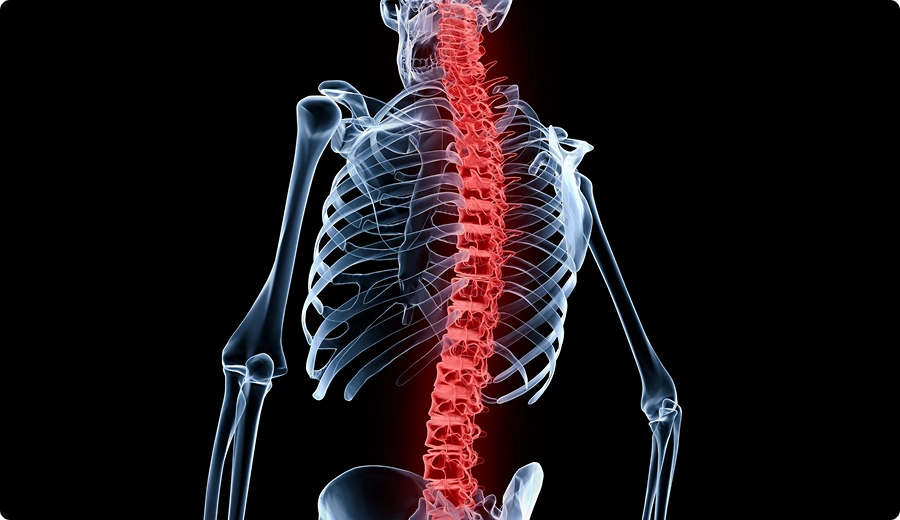
Disc Disease Management
Disc disease involves problems with the intervertebral discs that cushion the spine and support smooth movement. Conditions like herniated discs or degenerative disc disease can cause back or neck pain, stiffness, tingling, and even weakness in the arms or legs. These issues often arise from aging, injury, or repetitive strain, and if left untreated, they can severely affect mobility and quality of life.
Common Symptoms
- Persistent back or neck pain that worsens with movement Numbness, tingling, or weakness in arms or legs
- Limited flexibility and stiffness in the spine
- Shooting pain that radiates down the limbs
Causes and Risk Factors
- Natural wear and tear due to aging
- Sudden injury or heavy lifting
- Poor posture or sedentary lifestyle
- Repetitive strain from work or physical activity
- Obesity, which puts extra pressure on spinal discs
Diagnosis
A combination of medical history, physical examination, and imaging tests like MRI or CT scans is used to identify the condition. Doctors also assess reflexes, strength, and mobility to confirm nerve involvement.
Treatment Options
- Conservative Care: Pain medications, anti-inflammatory drugs, and muscle relaxants
- Physical Therapy: Targeted exercises to strengthen supporting muscles and improve posture
- Lifestyle Adjustments: Weight management, regular low-impact exercises such as swimming or walking, and ergonomic improvements at work/home
- Minimally Invasive Procedures: Injections or endoscopic techniques for pain relief if conservative methods fail
- Surgical Treatments: Discectomy or spinal fusion in severe cases to relieve nerve compression and restore stability
Preventive Measures
- Maintain a healthy weight to reduce pressure on the spine
- Practice good posture while sitting, standing, and lifting
- Incorporate stretching and strengthening exercises into daily routine
- Use ergonomic furniture and supportive mattresses
Disc disease management focuses on relieving pain, restoring mobility, and improving spinal health. With timely diagnosis, effective treatment, and preventive care, most people can return to their daily activities with reduced discomfort and long-term spinal stability.