

Severe Debilitating Dysmenorrhea

Severe Debilitating Dysmenorrhea
Severe, debilitating menstrual cramps, medically referred to as dysmenorrhea, are intense pelvic pains that can significantly disrupt daily life during menstruation. While mild cramping is common for many women, extreme, persistent pain often signals an underlying medical issue that requires timely evaluation. Left untreated, severe dysmenorrhea can impact emotional well-being, productivity, and overall quality of life.
At Dr. Sampath’s clinic, women experiencing severe menstrual pain receive comprehensive care designed to identify the root cause, relieve discomfort, and improve long-term reproductive health. The clinic combines accurate diagnosis, personalized treatment plans, and compassionate support to ensure optimal outcomes.
- Primary Dysmenorrhea: Caused by excessive production of prostaglandins, which trigger strong uterine contractions. This type occurs without underlying pelvic disease and usually begins during adolescence.
- Secondary Dysmenorrhea: Results from conditions such as endometriosis, adenomyosis, uterine fibroids, pelvic inflammatory disease (PID), or cervical stenosis. These conditions may worsen over time if not addressed.
Understanding Severe Dysmenorrhea
- Sharp, throbbing, or radiating lower abdominal pain
- Pain extending to the lower back and thighs
- Nausea, vomiting, diarrhea, headaches, and fatigue
- Significant interference with school, work, or daily activities
Symptoms
- Comprehensive medical history review to identify pain patterns and menstrual history
- Pelvic examination to assess uterine and ovarian health
- Imaging studies such as ultrasound or MRI to detect fibroids, endometriosis, or adenomyosis
- Diagnostic laparoscopy in select cases for definitive evaluation of conditions like endometriosis
Diagnostic Approach at Dr. Sampath’s Clinic
- Primary Dysmenorrhea: Nonsteroidal anti-inflammatory drugs (NSAIDs), hormonal contraceptives to regulate cycles and reduce prostaglandin levels, heat therapy, dietary changes, and regular physical activity
- Secondary Dysmenorrhea: Targeted medical therapy, minimally invasive surgery, hormone treatments, or management of infections or fibroids
- Lifestyle Support: Stress reduction techniques, yoga, and balanced nutrition to alleviate symptoms
Treatment and Management
Comprehensive Patient Support
Dr. Sampath’s multidisciplinary approach ensures not only symptom relief but also long-term reproductive health monitoring. Patients are guided through fertility-preserving options when necessary and provided with education on coping strategies, pain management, and preventive care.
With early diagnosis, individualized treatment, and holistic care, severe dysmenorrhea can be effectively managed. Women can regain control of their daily lives, maintain productivity, and experience improved comfort, well-being, and quality of life during their menstrual cycles.

Heavy menstrual bleeding
-
Severe debilitating dysmenorrhea
-
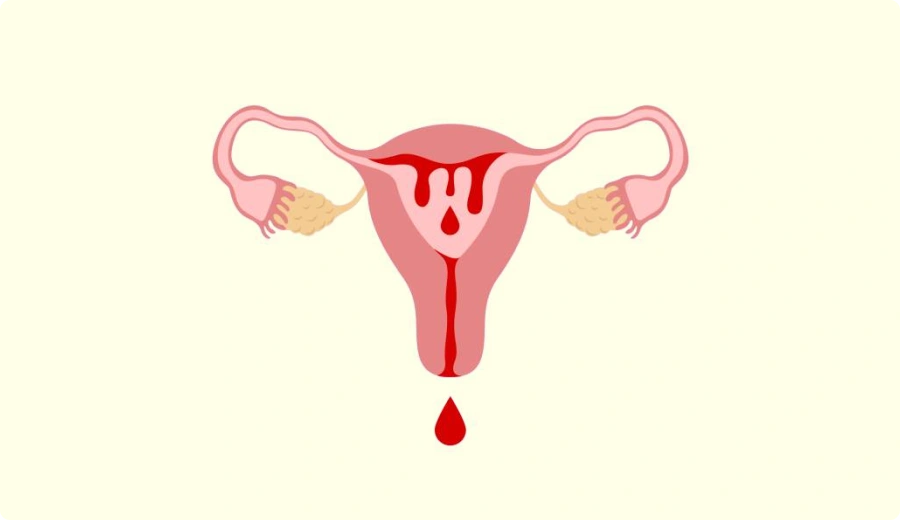
Intermenstrual bleeding
-
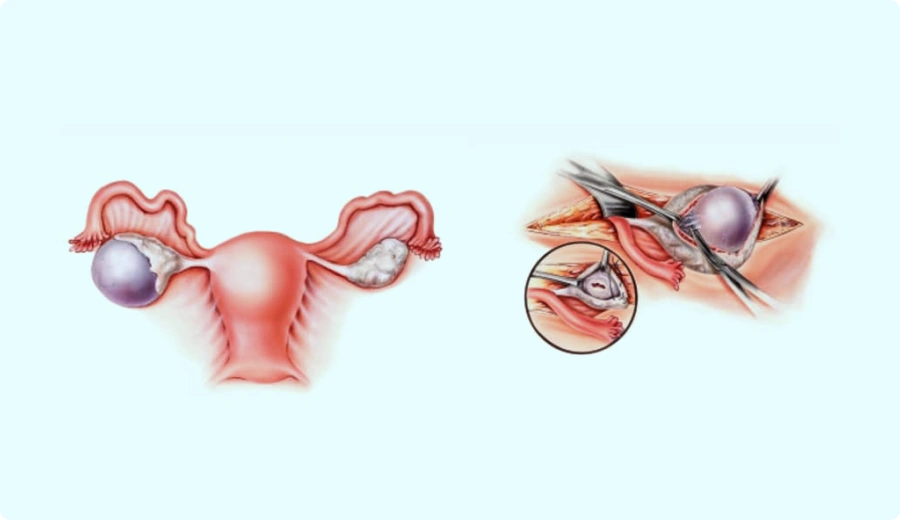
Ovarian cysts for laparoscopy
-
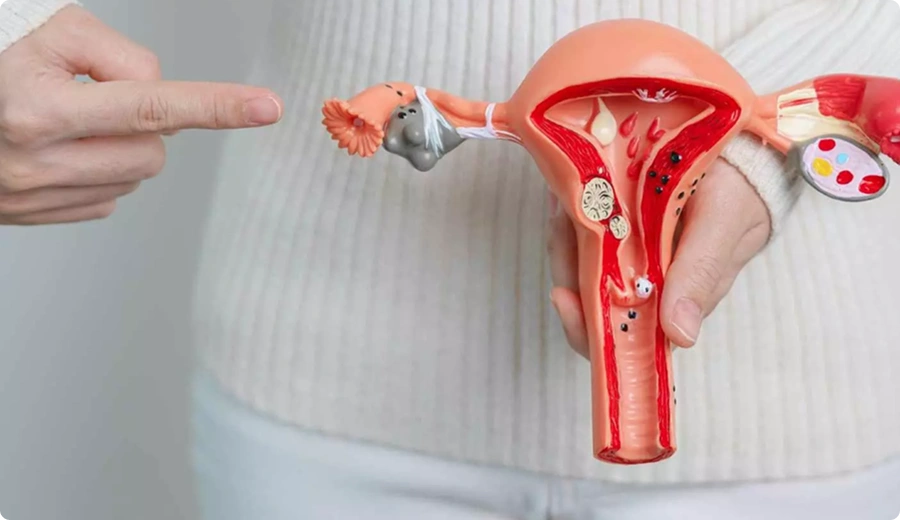
Fibroids or adenomyoma
-
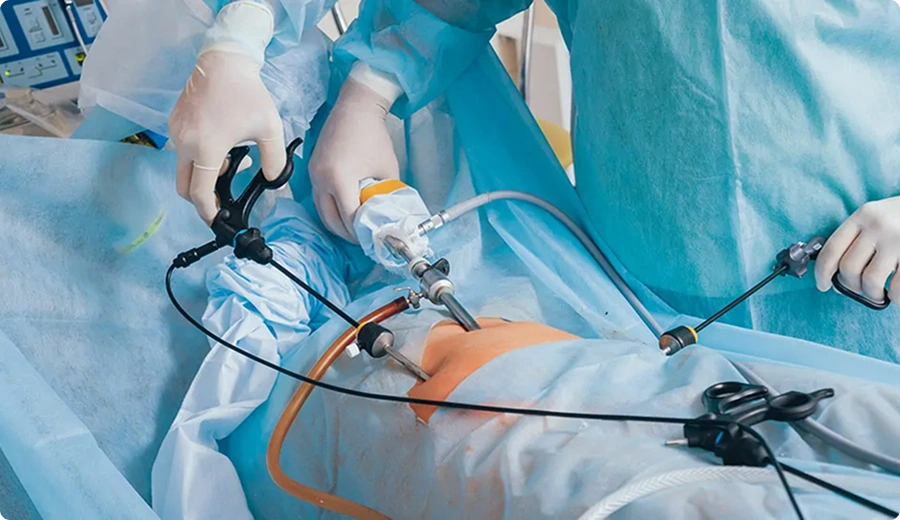
Diagnostic hysterolaparoscopy for infertility
-
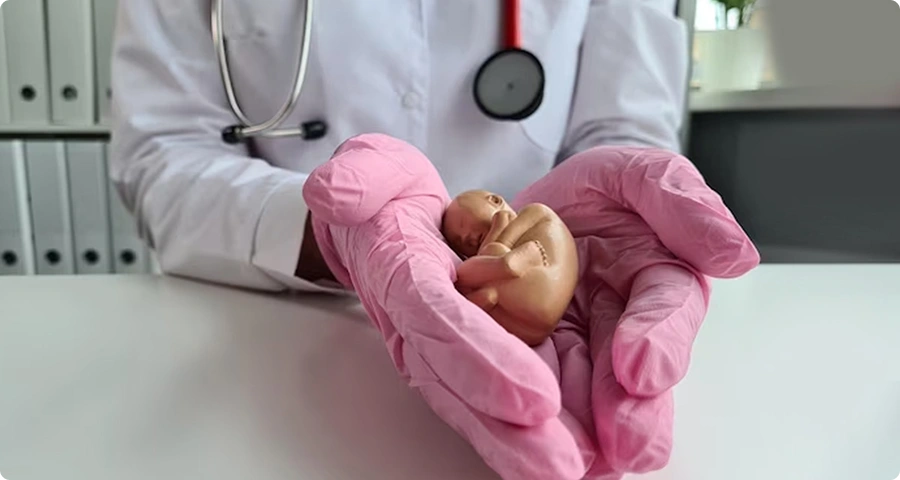
Congenital abnormalities
-
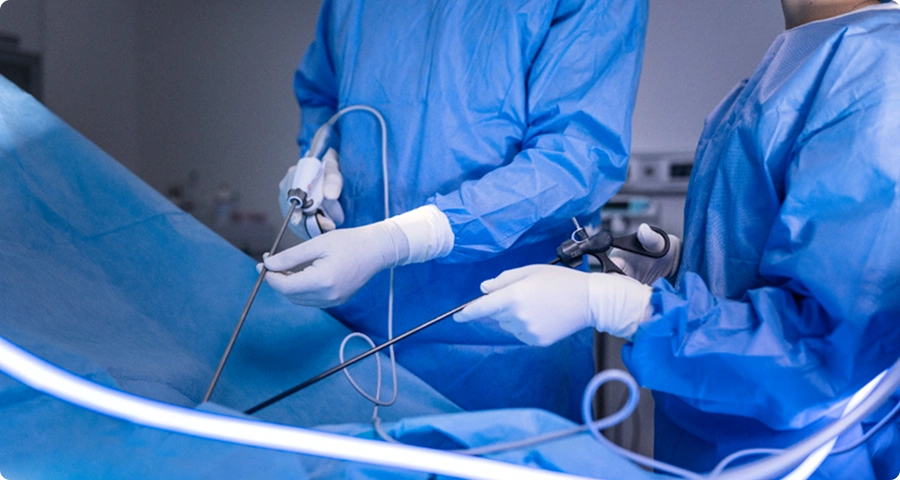
Laparoscopic ovarian drilling
-
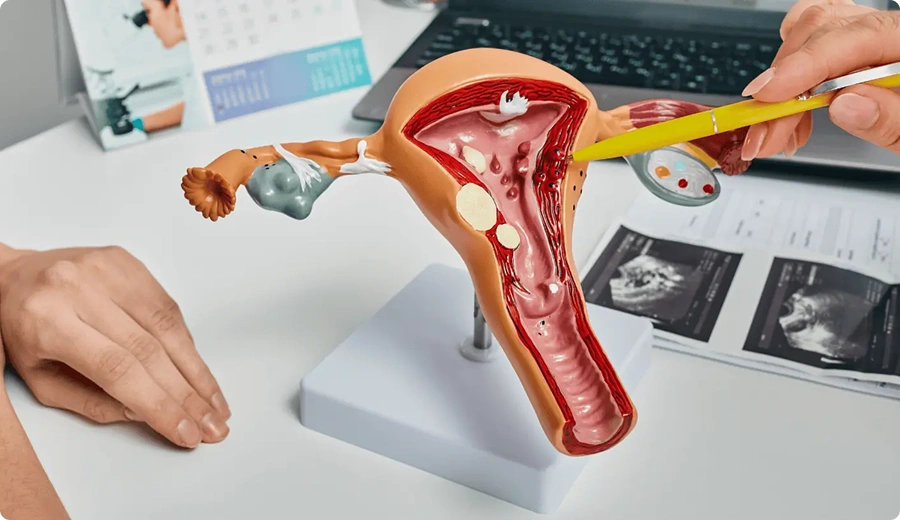
Hysteroscopic polypectomy
-
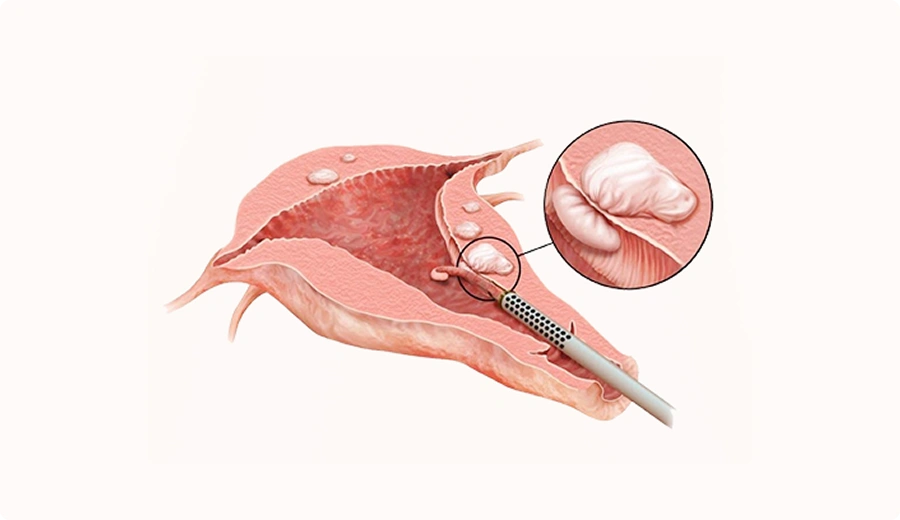
Hysteroscopic resection of myoma
-
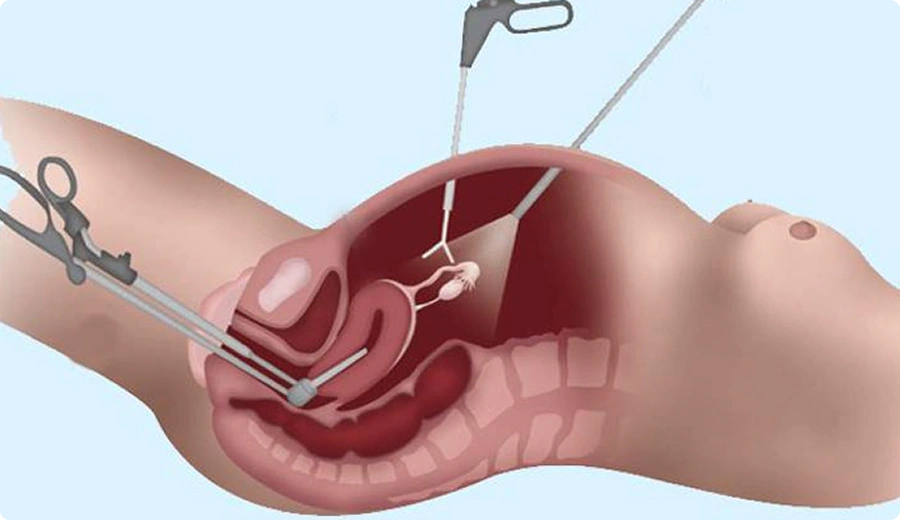
Total laparoscopic hysterectomy
-
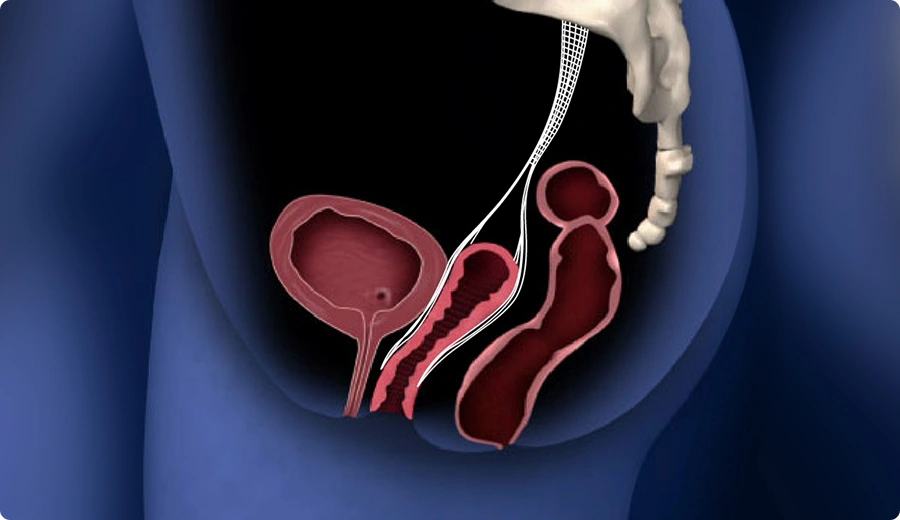
Laparoscopic sacrocolpopexy for prolapse
-
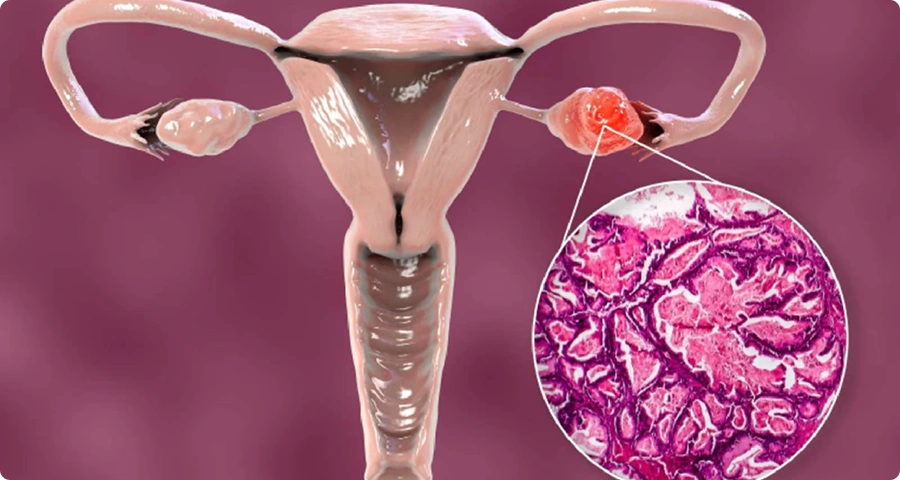
Laparotomy for ovarian ca-staging
-
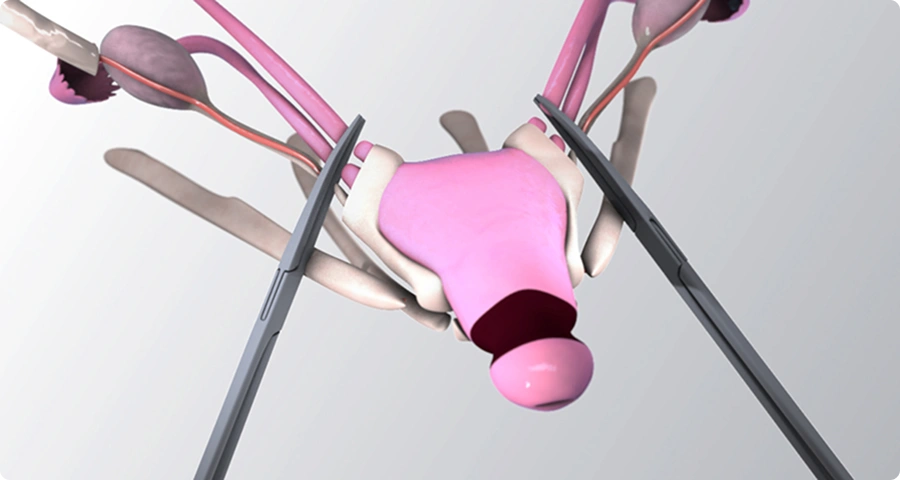
Vaginal hysterectomy
-

Male factor infertility
-

Unexplained infertility
-

Female infertility