

Congenital abnormalities
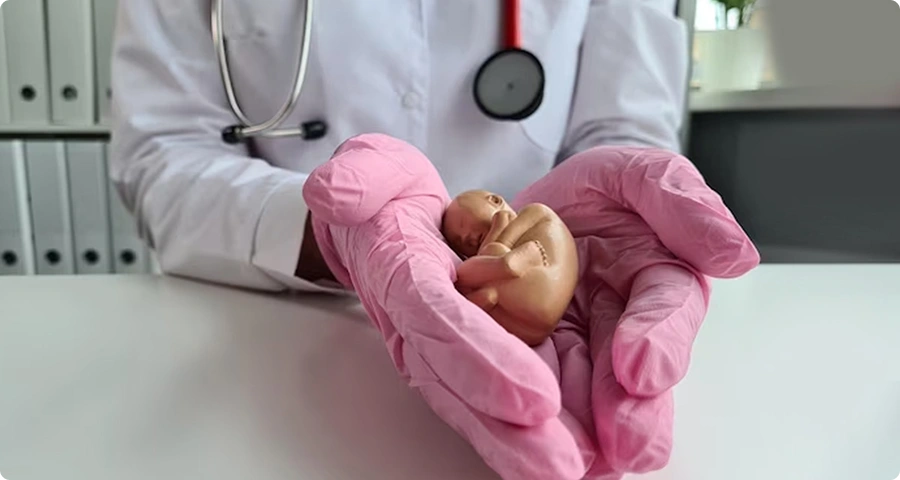
Congenital Uterine Anomalies- Unification or Resection Hysteroscopic/Laparoscopic
Understanding Congenital Uterine Anomalies
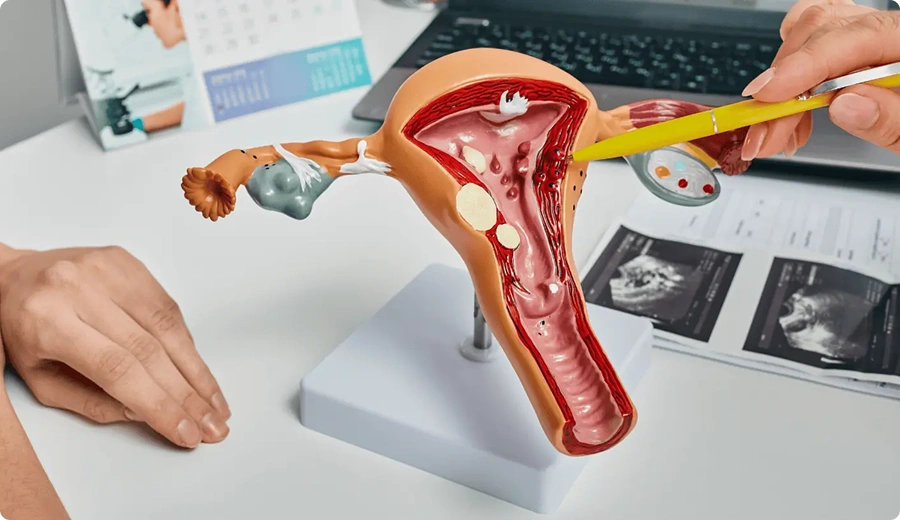
Congenital uterine anomalies arise from abnormal development of the uterus during fetal life, often due to incomplete fusion or resorption of the Müllerian ducts. Structural variations, including septate, bicornuate, or unicornuate uteri, can significantly affect reproductive health.
Diagnosis and Evaluation
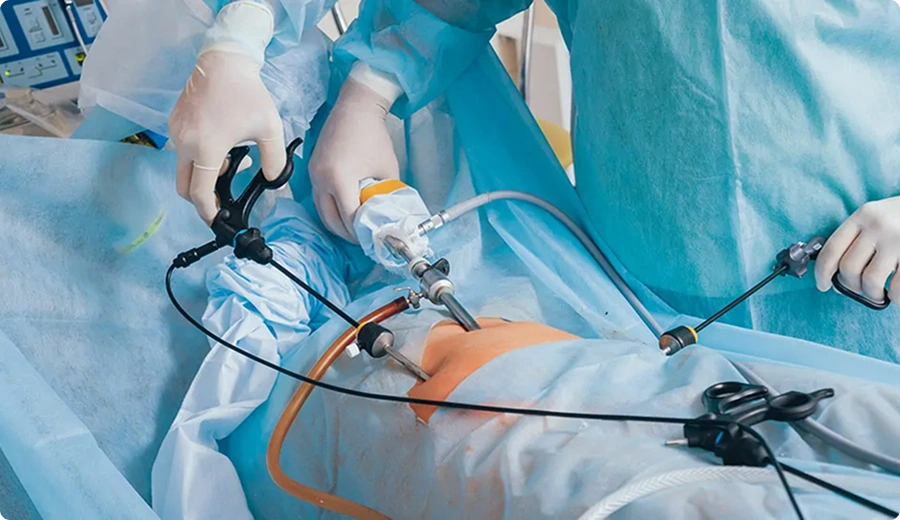
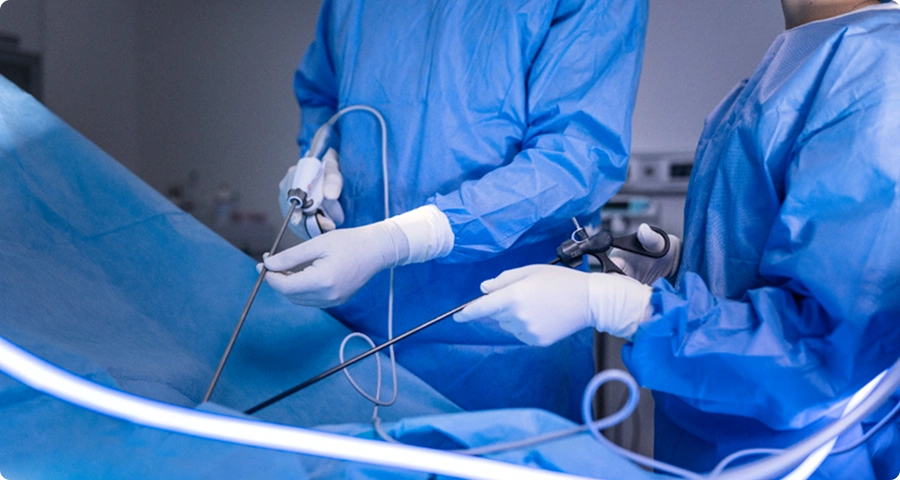
Early and accurate diagnosis is essential for effective management. Initial evaluation often involves imaging studies, such as 3D ultrasound, MRI, or hysterosalpingography, to assess uterine anatomy. For definitive diagnosis and treatment planning, diagnostic hysteroscopy or laparoscopy is recommended. These minimally invasive procedures allow direct visualization of the uterine cavity and external contour, providing both clarity and an opportunity for immediate surgical correction when appropriate.
Hysteroscopic Resection for Internal Anomalies
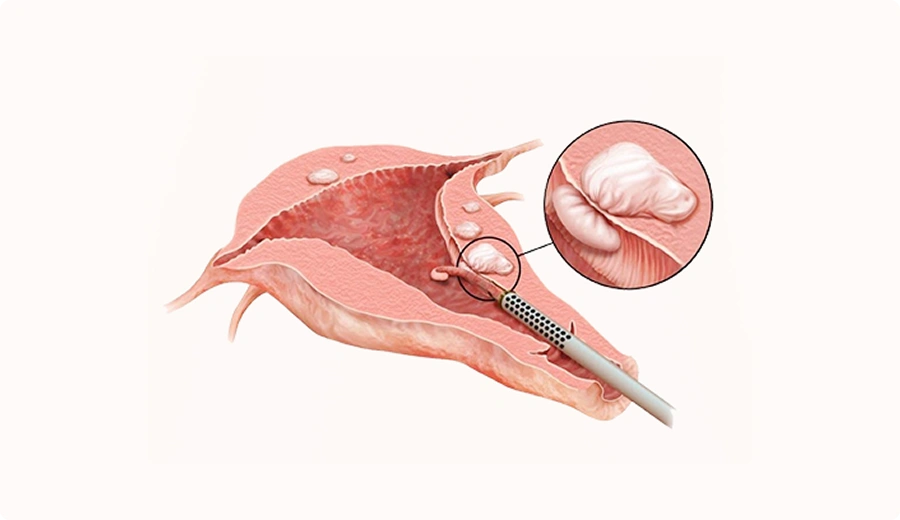
For anomalies confined to the uterine cavity, such as a septate uterus, hysteroscopic resection is often the preferred approach. Using a hysteroscope with fine surgical instruments inserted through the cervix, the fibrous or fibromuscular septum dividing the cavity is carefully removed. This restores normal uterine anatomy, improving implantation potential and the likelihood of carrying a pregnancy to term. The minimally invasive nature of hysteroscopy ensures less discomfort, no abdominal incisions, and faster recovery.
Laparoscopic Unification for External Anomalies
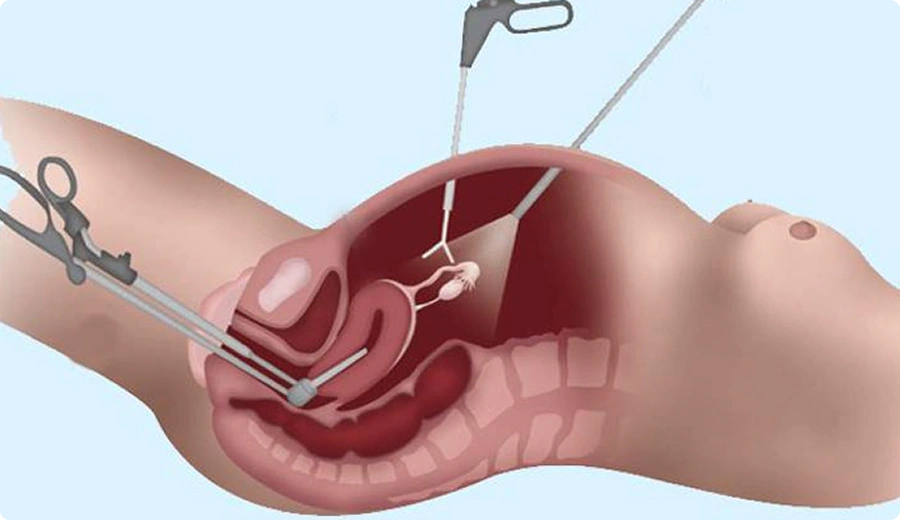
Anomalies affecting the external uterine contour, such as a bicornuate uterus, may require laparoscopic unification surgery. Small abdominal incisions allow insertion of a laparoscope and surgical instruments to reshape the uterus, uniting separate cavities and creating better symmetry and uterine capacity. This technique enhances fertility outcomes, reduces miscarriage risk, and supports a healthier environment for pregnancy while minimizing postoperative discomfort and hospital stay.
Postoperative Care and Fertility Optimization
After surgery, careful monitoring of healing, prevention of adhesions, and fertility planning are essential. Patients are generally advised to delay conception briefly to allow the uterus to recover fully. With timely intervention and minimally invasive correction, many women experience improved fertility, fewer pregnancy losses, and higher chances of a healthy pregnancy.
Our Approach
At our center, the gynecology and reproductive medicine team combines advanced diagnostic tools with skilled hysteroscopic and laparoscopic techniques. This ensures precise correction of anomalies, optimal fertility outcomes, and faster recovery, offering women hope and improved reproductive potential through safe, minimally invasive procedures.

Heavy menstrual bleeding
-

Severe debilitating dysmenorrhea
-
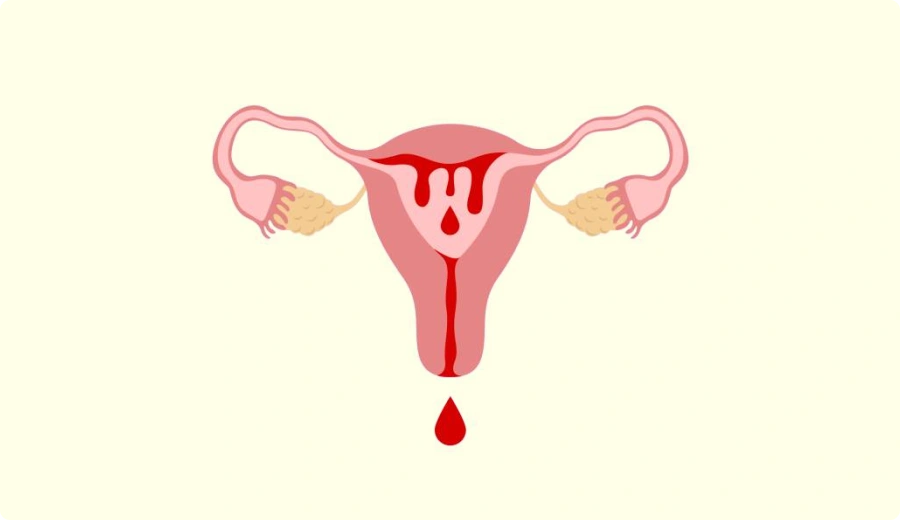
Intermenstrual bleeding
-
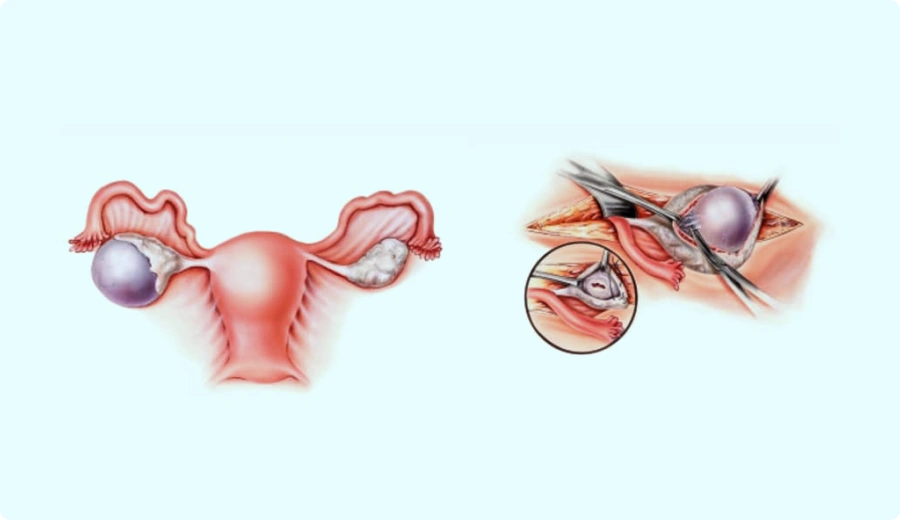
Ovarian cysts for laparoscopy
-
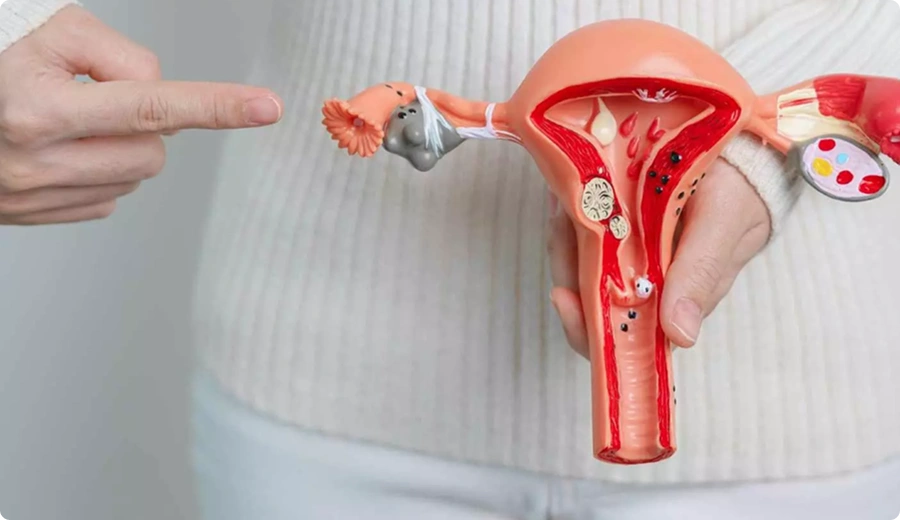
Fibroids or adenomyoma
-
Diagnostic hysterolaparoscopy for infertility
-
Congenital abnormalities
-
Laparoscopic ovarian drilling
-
Hysteroscopic polypectomy
-
Hysteroscopic resection of myoma
-
Total laparoscopic hysterectomy
-
Laparoscopic sacrocolpopexy for prolapse
-
Laparotomy for ovarian ca-staging
-
Vaginal hysterectomy
-

Male factor infertility
-

Unexplained infertility
-

Female infertility