

Intermenstrual Bleeding
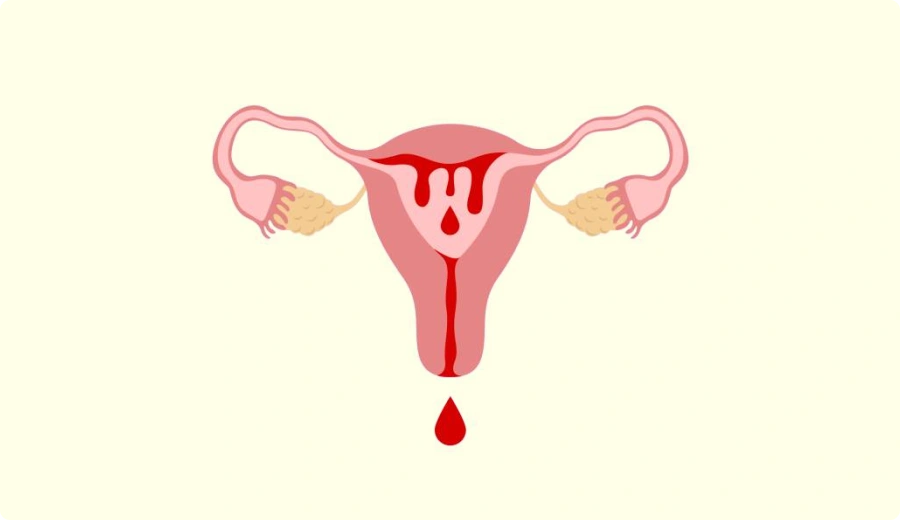
Intermenstrual Bleeding
Intermenstrual bleeding, also referred to as spotting or breakthrough bleeding, is vaginal bleeding that occurs between regular menstrual cycles. While occasional light spotting may be harmless, frequent or unexpected bleeding often indicates an underlying gynecological condition that requires careful evaluation. Persistent or heavy intermenstrual bleeding can affect physical health, emotional well-being, and overall quality of life.
- Hormonal Imbalances: Fluctuations in estrogen and progesterone levels can disrupt normal menstrual patterns.
- Ovulatory Dysfunction: Irregular ovulation or anovulatory cycles may lead to breakthrough bleeding.
- Structural Abnormalities: Uterine fibroids, endometrial polyps, or chronic endometritis can cause persistent bleeding.
- Medication-Related: Hormonal contraceptives, including oral contraceptives and intrauterine devices (IUDs), may trigger spotting during the adjustment period.
- Serious Conditions: Rarely, intermenstrual bleeding may signal cervical or endometrial cancer, particularly in women over 40 or postmenopausal.
Causes of Intermenstrual Bleeding
- Detailed medical history and physical examination to assess menstrual patterns and identify risk factors.
- Pelvic ultrasound and Doppler studies to evaluate uterine and ovarian structures.
- Hysteroscopy for direct visualization of the uterine cavity when structural abnormalities are suspected.
- Hormonal profiling to detect endocrine disorders affecting cycle regularity.
- Endometrial sampling or biopsy in selected cases to rule out premalignant or malignant conditions.
Diagnostic Approach
Our team adopts a comprehensive and systematic approach to determine the underlying cause of intermenstrual bleeding:
- Hormonal Therapy: Combined oral contraceptives, progestins, or hormonal IUDs help regulate cycles and control abnormal bleeding.
- Minimally Invasive Procedures: Hysteroscopic polypectomy or myomectomy is offered for structural causes such as polyps or fibroids.
- Infections or Inflammation: Targeted antibiotic therapy is prescribed when chronic endometritis or other infections are identified.
- Supportive measures, including dietary guidance, iron supplementation, and stress management, help address associated anemia and improve overall well-being.
Treatment and Management
Treatment plans are individualized, taking into account the patient’s age, reproductive goals, severity of bleeding, and overall health:
Comprehensive Care
The goal of management extends beyond controlling bleeding. Our multidisciplinary team ensures holistic care, focusing on symptom relief, reproductive health preservation, and emotional support. Prompt intervention restores normal menstrual patterns, reduces risk of complications, and enhances quality of life.
Through advanced diagnostics, personalized treatment, and continuous follow-up, women experiencing intermenstrual bleeding can achieve optimal gynecological health and regain confidence in their daily lives.

Heavy menstrual bleeding
-

Severe debilitating dysmenorrhea
-
Intermenstrual bleeding
-
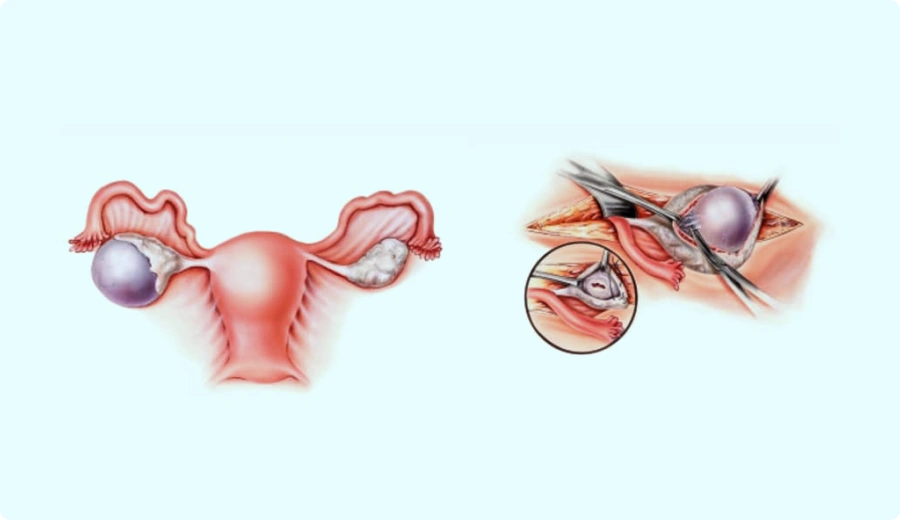
Ovarian cysts for laparoscopy
-
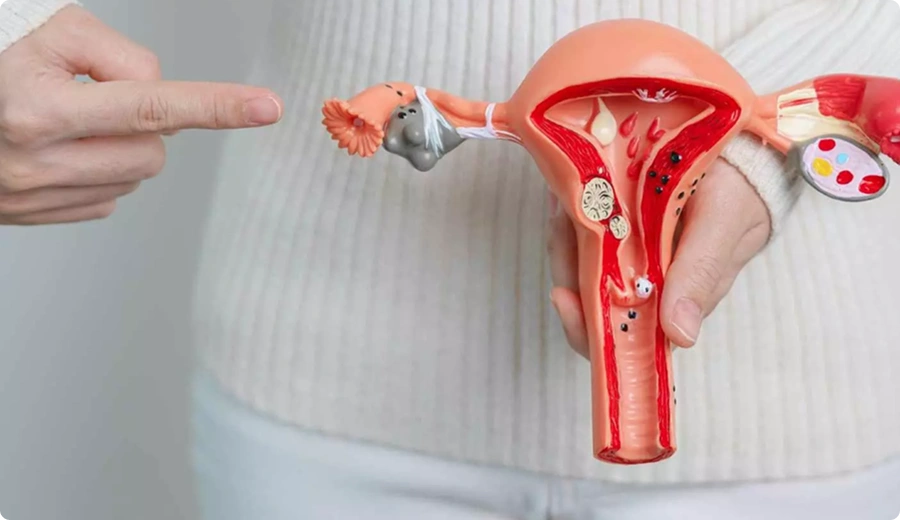
Fibroids or adenomyoma
-
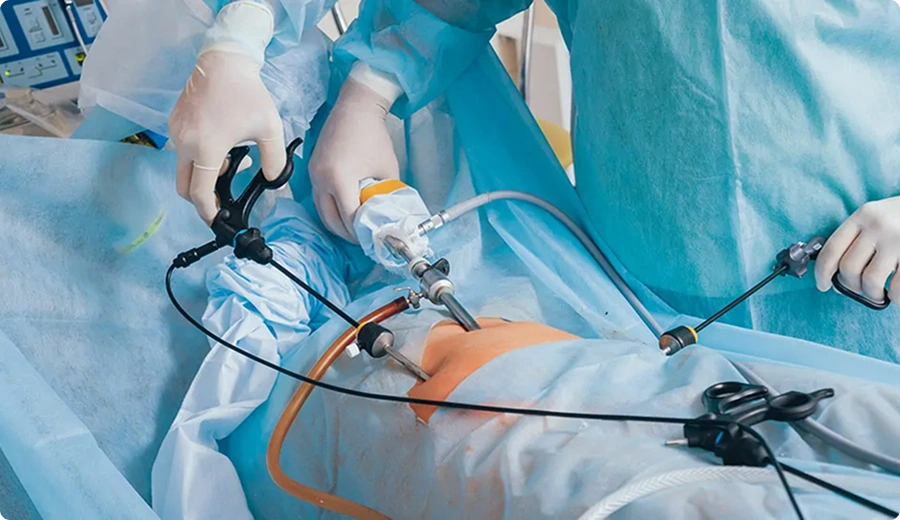
Diagnostic hysterolaparoscopy for infertility
-
Congenital abnormalities
-
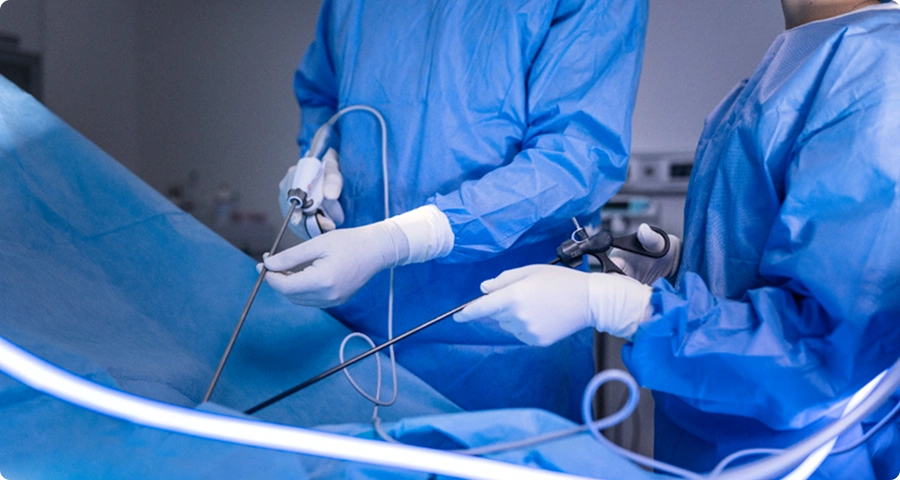
Laparoscopic ovarian drilling
-
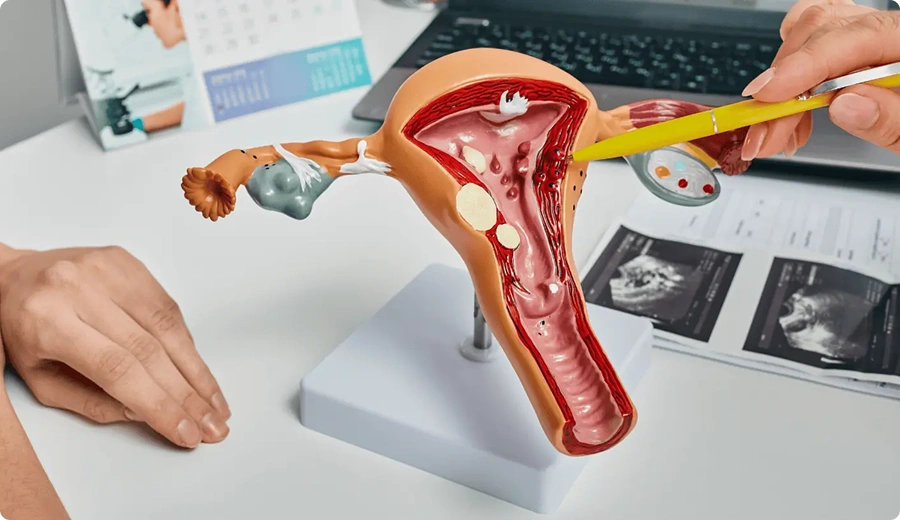
Hysteroscopic polypectomy
-
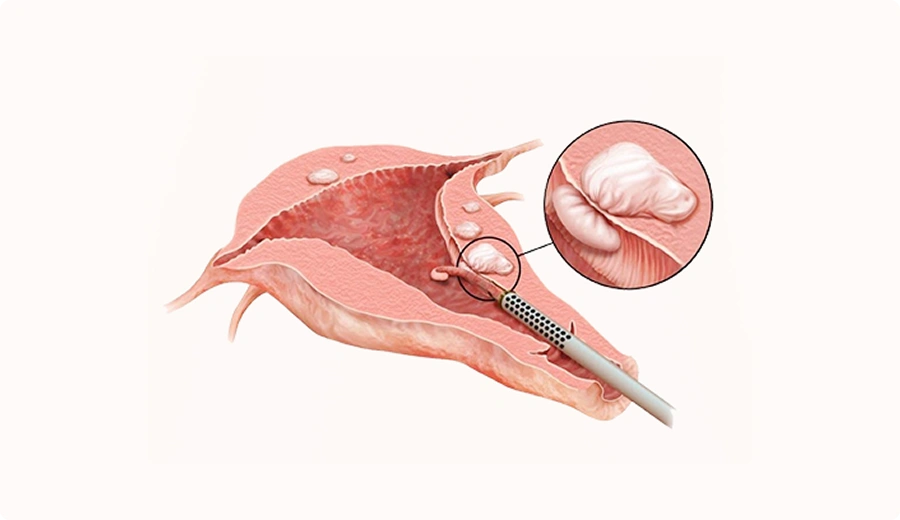
Hysteroscopic resection of myoma
-
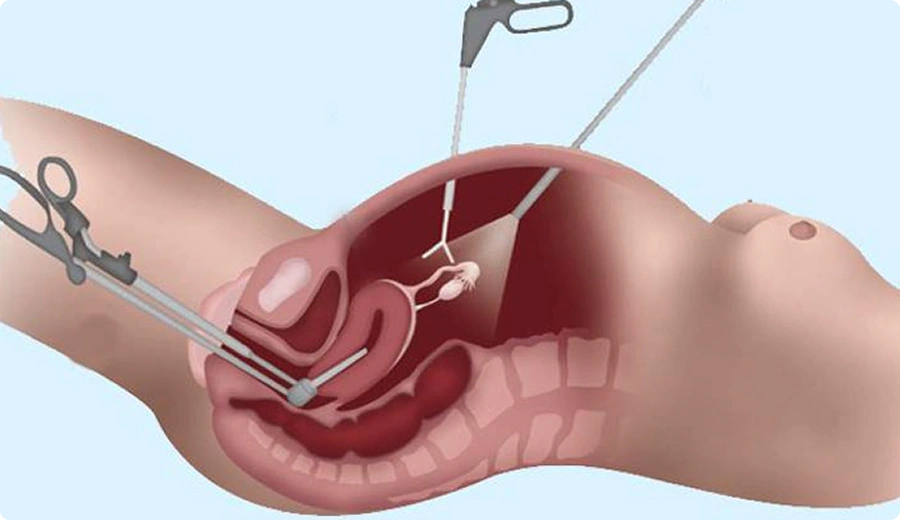
Total laparoscopic hysterectomy
-
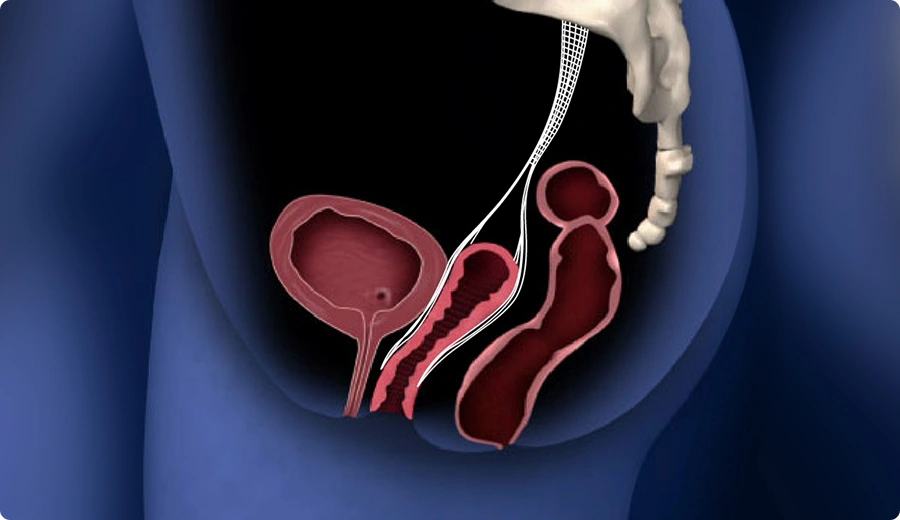
Laparoscopic sacrocolpopexy for prolapse
-
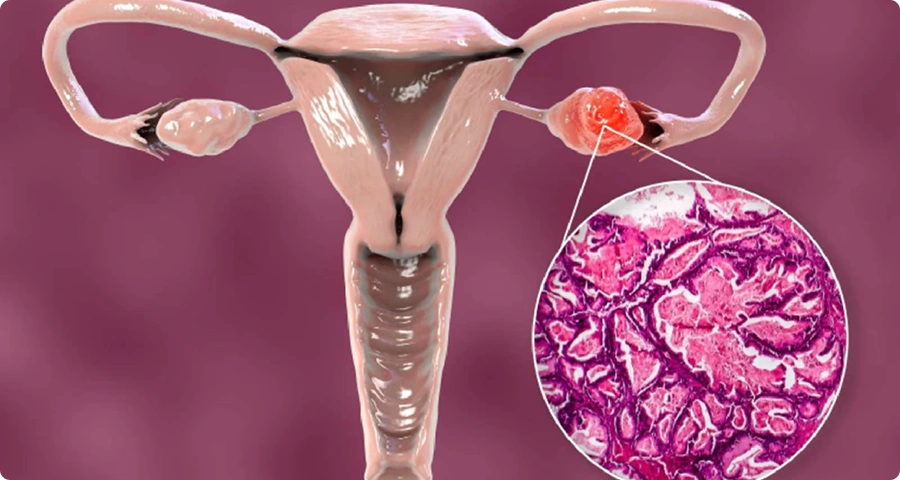
Laparotomy for ovarian ca-staging
-
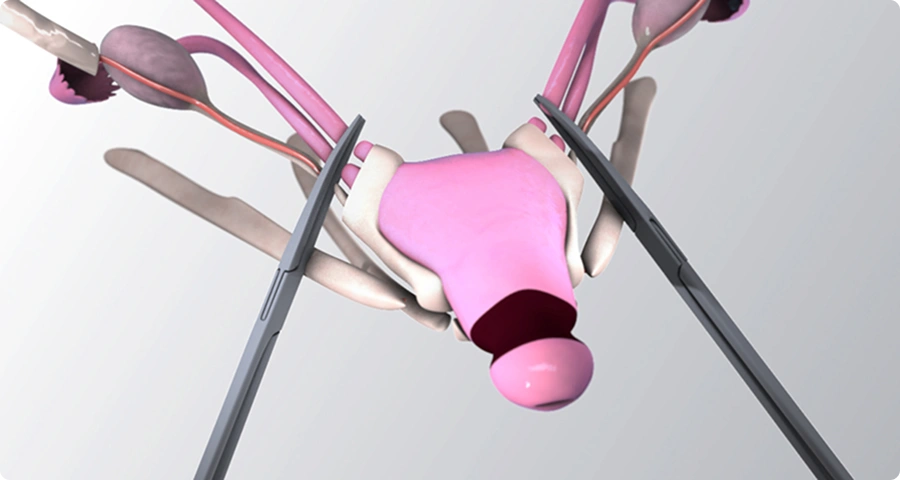
Vaginal hysterectomy
-

Male factor infertility
-
Unexplained infertility
-

Female infertility