

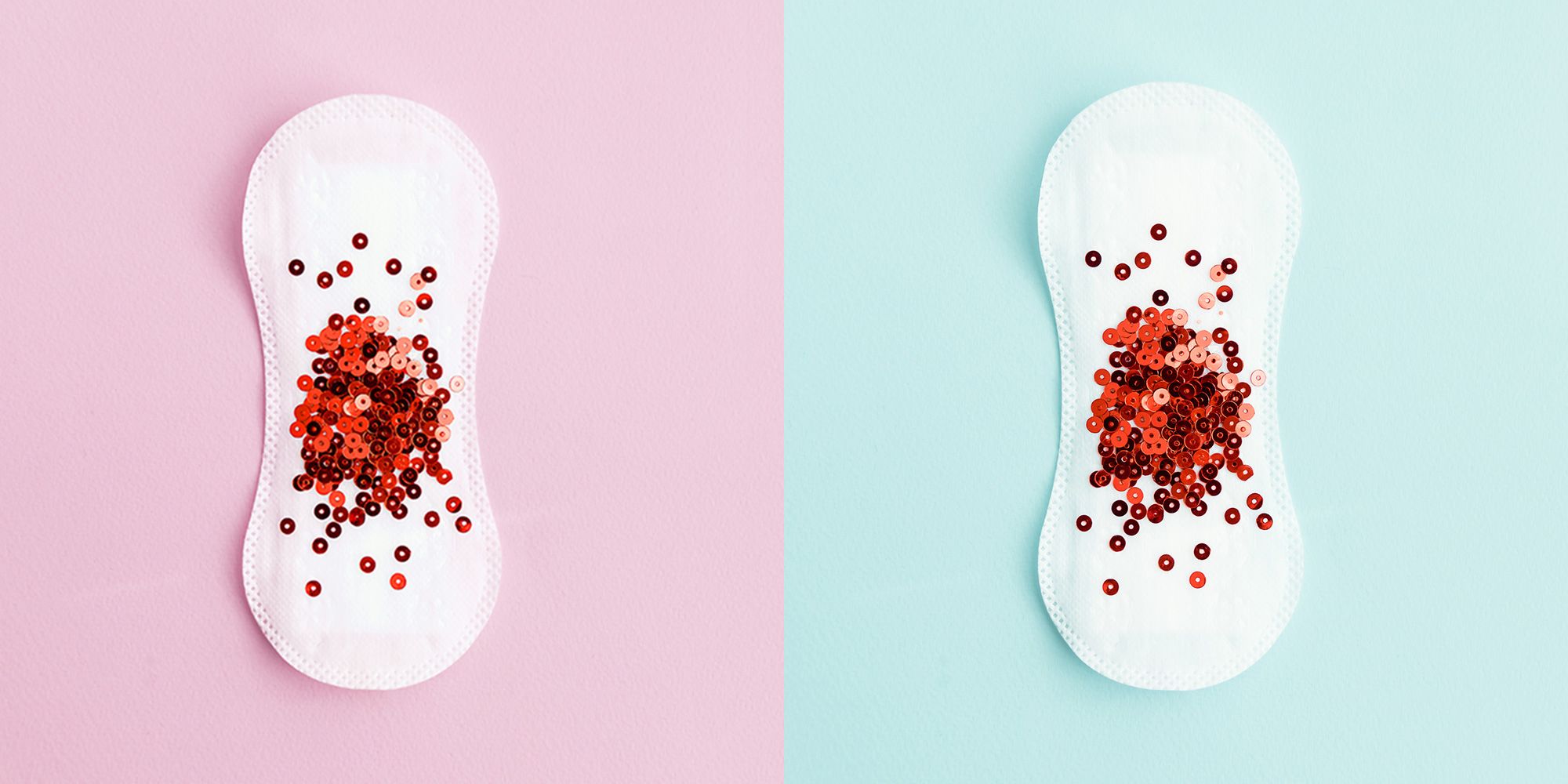
Every woman experiences her period differently. For some, it’s light and manageable, while for others it can feel overwhelming. But how do you know if your period is too heavy? While fluctuations are common, extremely heavy bleeding—known medically as menorrhagia—could be a sign of an underlying health issue that shouldn’t be ignored.
This guide will help you understand what’s considered normal, when to worry, and when it’s time to seek medical advice.
What Is Considered a “Normal” Period?
A typical menstrual cycle lasts 21 to 35 days, with bleeding lasting 3 to 7 days. The average blood loss is about 30–40 milliliters (2–3 tablespoons) per cycle. Normal symptoms may include:
- Mild to moderate cramping
- Small blood clots
- Manageable flow that doesn’t interfere with daily life
If your period often feels heavier than this, you may be experiencing menorrhagia.
Signs Your Period May Be Too Heavy
You might be dealing with abnormally heavy bleeding if you notice:
- Needing to change pads or tampons every 1–2 hours
- Passing blood clots larger than a quarter
- Periods lasting longer than 7 days
- Feeling fatigued, dizzy, or short of breath (possible signs of anemia)
- Needing to wake up at night to change protection
- Bleeding through clothes or bedding despite precautions
If these symptoms sound familiar, your period may not be as “normal” as you think.
Possible Causes of Heavy Periods
Several conditions can contribute to unusually heavy menstrual bleeding, including:
- Hormonal imbalances (such as thyroid issues or polycystic ovary syndrome)
- Uterine fibroids or polyps
- Endometriosis or adenomyosis
- Bleeding disorders or clotting problems
- Certain medications, such as blood thinners
- Perimenopause, when cycles can become irregular and heavier
Identifying the cause is key to finding the right treatment.
When to See a Doctor
You should contact a healthcare provider if:
- Heavy periods are interfering with your daily activities
- You experience severe cramping unrelieved by over-the-counter medication
- You feel weak, tired, or develop signs of anemia
- Your cycle changes suddenly after being regular for years
- You are trying to conceive but have irregular or heavy bleeding
A gynecologist can perform blood tests, ultrasounds, or other diagnostic exams to determine the cause and recommend treatment.
Treatment Options for Heavy Periods
The good news is that heavy periods are treatable. Depending on the cause, your doctor may suggest:
- Hormonal birth control to regulate cycles
- Non-hormonal medications like tranexamic acid to reduce blood loss
- Iron supplements to manage anemia
- Minimally invasive procedures for fibroids or polyps
- Surgical options in severe cases
The right treatment depends on your health, lifestyle, and whether you want to preserve fertility.
Final Thoughts
While a heavy period can sometimes feel like just part of life, it’s important to remember that “normal” varies—but too heavy isn’t normal. If your menstrual flow is affecting your health or daily life, don’t hesitate to seek medical advice.
Your period should not control you. With the right care, you can find relief and regain balance in your cycle and overall well-being.